Mongoose Research in Queen Elizabeth Park
Mongoose Research at Queen Elizabeth National Park in Uganda focuses on studying the social behavior, communication, and ecological interactions of banded mongooses. This park, a highlight of Uganda safaris, provides a unique opportunity to observe these animals in their natural habitat. Researchers examine cooperative breeding, group dynamics, and predator interactions within their environment. Located in western Uganda, the park offers visitors a chance to engage with ongoing conservation efforts while exploring its diverse wildlife. For those planning to visit Uganda, Queen Elizabeth National Park is also renowned for attractions like game drives, the Kazinga Channel boat cruise, and sightings of tree-climbing lions, making it a top safari destination where wildlife and research thrive together.
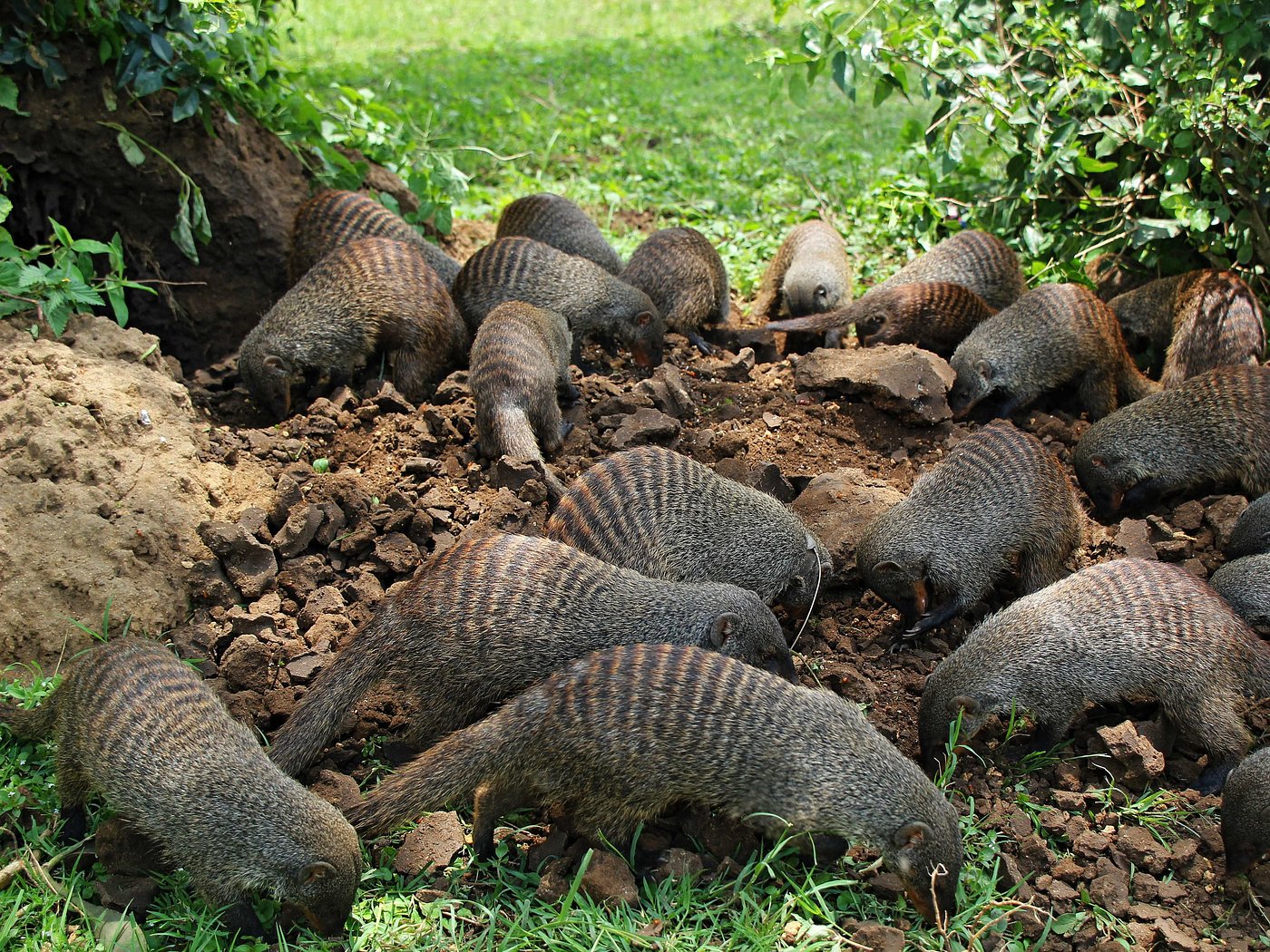
What is mongoose research, and why is it conducted in Queen Elizabeth National Park?
Mongoose research focuses on studying mongooses, a group of small carnivorous mammals, to better understand their biology, behavior, and ecological roles. In Queen Elizabeth National Park (QENP), located in Uganda, researchers conduct this work because the park provides a rich and diverse habitat for many mongoose species. This makes it an excellent location for observing how these animals live in their natural environment.
The goal of the research is to gather scientific data that helps researchers better understand the population dynamics, behaviors, diets, and interactions of mongooses within the park ecosystem. Conducting these studies allows scientists to assess how the mongooses contribute to the balance of the environment, including their roles as predators of insects or small vertebrates.
Queen Elizabeth National Park is a protected area, so it also serves as an ideal place to study wildlife without major threats from urbanization or excessive human presence. The insights from mongoose research at QENP can also inform conservation strategies that protect not only mongooses but also the broader ecosystems they inhabit.
For example, studying mongooses can highlight how they help control populations of pests or how their foraging affects the spread of seeds. Such findings can provide a better understanding of how ecosystems function and how wildlife conservation can be improved for both mongooses and the species they interact with.
What species of mongooses are found in Queen Elizabeth National Park?
Queen Elizabeth National Park is home to several mongoose species, each with its unique behaviors and physical traits. Among the most commonly found are the banded mongoose, dwarf mongoose, and white-tailed mongoose.
Banded mongooses are small mammals with distinctive dark horizontal stripes running across their backs. They are highly social animals that live in groups called troops or colonies, often consisting of 10 to 20 individuals. These mongooses are known for their cooperative behavior, such as taking turns standing guard while others forage for food.
Dwarf mongooses are the smallest species, with a reddish or brown coat. They live in tight-knit family groups and are known for their reliance on teamwork for both foraging and raising their young. Their preference for termite mounds as shelters is another interesting aspect of their lifestyle.
White-tailed mongooses, on the other hand, are nocturnal and solitary. They are larger than the other species mentioned and typically have dark fur with a conspicuous white, bushy tail. These mongooses are more secretive and primarily come out at night to feed on small animals and insects.
Each species contributes differently to the ecosystem within the park. For example, banded mongooses are excellent for pest control due to their diet, which includes insects and small rodents. Similarly, dwarf mongooses play a role in managing termite populations, while white-tailed mongooses assist in keeping populations of smaller, nocturnal prey in check.
How is the behavior of mongooses studied in their natural habitat?
Studying the behavior of mongooses involves a mix of observation techniques and non-invasive data collection methods to ensure accurate results. Researchers observe mongooses in their natural habitat, often spending weeks and months monitoring specific groups or individuals.
Methodologies include following mongoose groups for extended periods and recording their daily activities, such as feeding, grooming, social interactions, and movement patterns. Observers often use binoculars and notebooks while maintaining a safe distance so as not to disturb the animals or alter their behavior.
In some cases, radio collars are used to help track individual mongooses and understand their ranges and territories. These collars emit radio signals that researchers can pick up using special equipment, enabling them to follow the animals’ movements over long distances or in dense vegetation.
Behavioral studies also involve identifying unique traits in group dynamics. For example, researchers may focus on how banded mongooses communicate through various sounds or how group members share responsibilities such as caring for young or standing watch. This helps build a deeper understanding of their social organization.
For nocturnal species, such as the white-tailed mongoose, researchers may rely on camera traps or nighttime observation tools, such as infrared cameras, to capture their activities without disturbing them.
Sometimes, researchers collect environmental samples, such as feces or fur, to investigate diet or health without capturing or harming the animals. This can reveal insights into what mongooses eat, what parasites they may carry, and their overall contribution to the ecosystem.
What ecological roles do mongooses play in Queen Elizabeth National Park?
Mongooses serve important ecological roles in Queen Elizabeth National Park by contributing to the balance and overall health of the park’s ecosystem. One of their key roles is controlling populations of pests and small animals, such as rodents and insects. By preying on these creatures, mongooses help regulate their numbers, preventing overpopulation that could negatively impact plant life or other animal species. For example, without predators like mongooses, rodents could rapidly multiply, leading to damage to crops or a reduction in vegetation that serves as food for larger herbivores.
Another role mongooses play involves seed dispersal. Some species of mongooses consume fruits and then spread seeds through their droppings. This contributes to the growth and regeneration of plants in the park, enhancing biodiversity. This process ensures a wider distribution of plants across the area, creating a more diverse habitat that can better support various animals.
Mongooses also act as prey for larger predators, such as eagles, snakes, and certain big cats found in the park. This interaction places the mongoose in an intermediary step within the food chain, demonstrating its vital connection to both herbivores and top predators.
Lastly, mongooses may help in controlling parasites that affect large mammals in the park. For instance, some mongoose species have been observed eating ticks off larger animals, which aids in reducing parasite burdens while providing the mongooses with a meal.
In summary, mongooses maintain the natural ecological order by predating on smaller species, promoting plant growth, serving as prey for predators, and occasionally helping other animals reduce parasites. Their presence supports the balance of the park’s ecosystem.
How does the research on mongooses contribute to biodiversity conservation efforts?
Studying mongooses significantly aids biodiversity conservation efforts by providing insights about their role in maintaining healthy ecosystems. Researchers gather detailed information about mongoose behavior, diet, and interaction with other species, which helps park management understand how the ecosystem functions as a whole. These details guide decisions for conserving both mongooses and other species that rely on them indirectly.
For example, if researchers observe that certain mongoose populations are in decline, it might act as a red flag suggesting deeper issues like habitat destruction, an increase in predation by invasive species, or changes in food availability. Early recognition of such patterns allows park officials to design specific strategies to alleviate the problem, such as reducing human impact or controlling invasive predators.
Researching mongoose diets also sheds light on how they interact with plant life and insect populations. If mongooses are found to aid in seed dispersal or pest control, maintaining their populations becomes crucial for supporting agricultural systems near the park and ensuring ecosystem regeneration. By conserving mongooses, other species of flora and fauna may also thrive due to fewer disturbances in their habitats.
Furthermore, observations of mongoose social structures, such as living in tight-knit groups, highlight the importance of protecting their family habitats. Studies might reveal areas critical to their survival, like places where they raise young, leading to the establishment of special conservation zones.
In essence, mongoose research creates a clearer picture of the interconnected web of life in the park. By protecting mongooses, researchers indirectly contribute to protecting all species and natural processes tied to this animal’s survival and function within the ecosystem.
What challenges do researchers face when studying mongooses in the wild?
Studying mongooses in the wild comes with several challenges, primarily due to their small size, wide-ranging movements, and elusive behavior. Mongooses are naturally cautious creatures, often hiding in dense vegetation or underground burrows, which makes tracking their activities difficult for researchers.
Habitat diversity in Queen Elizabeth National Park also poses a challenge. The park features forests, wetlands, and savannas, each with its own complexities. Researchers need to move across varying terrains, which can be time-consuming and physically demanding. For instance, dense undergrowth and unpredictable weather conditions can slow down fieldwork or damage equipment.
Another challenge is funding and resources. Wildlife research often depends on grants or limited budgets, and studying small species like mongooses may receive less financial priority compared to larger, more iconic animals like lions or elephants. This can result in fewer tools, limited personnel, or reduced access to modern tracking technology like GPS collars or camera traps.
The behavior of mongooses also adds to the difficulty. Many species are highly social and mobile, meaning they live in groups and frequently shift their territory. This makes it harder to consistently monitor their interactions, health, or impact on the environment. Similarly, if mongooses blend into their surroundings to avoid predators, researchers may struggle to observe natural behaviors without disturbing the animals.
Lastly, human activities near the park, such as farming or land development, may interfere with mongoose research. Noise or habitat changes caused by nearby villages can disrupt mongoose populations or lead to them avoiding areas where studies are planned.
Despite these challenges, researchers often adapt by using technologies such as motion-sensitive cameras and conducting long-term studies. Overcoming such hurdles is important to better understand and protect mongoose populations.
Are there any notable findings or discoveries from mongoose research in the park?
Research on mongooses in Queen Elizabeth National Park has yielded fascinating findings about their social behavior and cooperation. One of the most remarkable discoveries is their complex group living system. Many studies have shown that some mongoose species, such as the banded mongoose, live in tightly-knit social groups, typically consisting of around 10 to 30 individuals. Within these groups, they exhibit extraordinary teamwork and mutual care, such as communal parenting. For example, adults within a group may take turns looking after the pups, ensuring their safety while others search for food.
Another significant discovery relates to their communication skills. Researchers have found that mongooses use a variety of vocalizations to convey specific messages. Each call may indicate different dangers or situations. For instance, one type of call can alert the group to predators like snakes, while another communicates an invitation to feed. These insights into their communication patterns showcase their intelligence and group coordination.
Additionally, research has revealed how mongooses help control pests in the park. By feeding on small rodents and insects, they play a role in balancing local animal populations. This natural pest control reduces the spread of certain diseases that can impact both wildlife and humans.
A particularly compelling finding relates to their interaction with parasitic infections. Studies have shown that disease transmission within mongoose groups can be affected by their social structure. Understanding these dynamics helps researchers learn how diseases spread in wildlife populations and how they might relate to zoonotic (animal-to-human) diseases.
These discoveries from mongoose research not only deepen our knowledge of their behavior but also shed light on broader ecological principles such as teamwork, communication, and disease dynamics.
How do mongooses interact with other species in the park’s ecosystem?
Mongooses interact with a variety of species in Queen Elizabeth National Park, and many of these interactions directly impact the park’s ecosystem. As omnivores, mongooses feed on a range of animals and plants. They are particularly famous for their ability to hunt snakes, including venomous species like cobras and puff adders. This behavior not only controls the snake population but also can lower risks for other animals (and humans) that might fall victim to snakes.
On the other hand, mongooses are prey for larger predators in the park, such as leopards, large birds of prey like eagles, and jackals. These interactions place them firmly in the food web, maintaining a balance in predator-prey relationships.
One interesting way mongooses interact with other species is through mutualistic collaborations. Some species of mongooses, such as the dwarf mongoose, have been observed forming symbiotic relationships with certain bird species. For example, mongooses and some birds like oxpeckers or hornbills work together when foraging for food. The birds help mongooses spot potential predators from above, while the mongooses stir up insects as they move around, providing an opportunity for the birds to feed.
Mongooses also influence the insect and rodent populations through their dietary habits. This role is particularly important in controlling pests that may spread diseases or harm vegetation. By preying on these small animals, mongooses help maintain the health of the park’s ecosystem.
Lastly, researchers have seen interactions with other herbivores and scavengers. For instance, mongooses may scavenge leftovers from larger carnivores like lions or hyenas, showing their opportunistic nature when resources are available.
These varied interactions highlight the mongoose’s integral role in connecting different parts of the ecosystem.
What methodologies or technologies are used to track and monitor mongooses?
Researchers use a combination of traditional techniques and modern technologies to monitor mongooses in their natural habitat. One of the most effective traditional methods is direct observation. Field researchers spend extended periods watching mongoose groups, taking notes on their behaviors, social interactions, and movements. This helps scientists understand their daily routines and group dynamics.
An important technology used for monitoring is radio telemetry. By fitting mongooses with lightweight radio collars, researchers are able to track their locations over large distances. These collars emit signals that researchers can pick up using special receivers, allowing them to follow the animals even when they are not visible. For example, if a mongoose group moves into dense vegetation, the radio signal ensures researchers don’t lose track of them.
More advanced tools include GPS tracking devices. These collars work like miniature GPS systems, recording the mongoose’s exact location over time. This data helps researchers map their home ranges and identify migration patterns. The information is especially useful to see how mongoose movements might overlap with areas impacted by human activities or conservation efforts.
Some research efforts also rely on camera traps. These are motion-sensitive cameras placed strategically in areas where mongooses are likely to move. When a mongoose triggers the camera, it takes a picture or records a short video. Camera traps are non-invasive and are helpful in monitoring multiple mongoose groups over a wide area.
Additionally, modern studies may employ genetic analysis. By collecting scat (droppings) or fur samples, researchers can study DNA to learn more about populations, relatedness between individuals, and health. This method is useful for tracking disease transmission within groups or among populations.
By blending tried-and-true observation practices with cutting-edge tech like GPS and genetic testing, researchers are able to gather detailed insights on mongooses that contribute to understanding their lives and habitats.
Are mongoose populations in Queen Elizabeth National Park affected by human activity?
Yes, human activity does impact mongoose populations in Queen Elizabeth National Park, both directly and indirectly.
One clear way this happens is through habitat destruction. When humans clear land for agriculture, roads, or settlements, mongooses can lose their homes. For example, if forests or grasslands are turned into farmland, mongooses may struggle to find safe places to shelter or enough food to eat. This can force them to move to areas where survival might be more challenging.
Hunting and poaching also pose a threat in some cases. While mongooses are not typically targeted by humans as much as larger animals, they can occasionally be hunted either for their fur, as a source of food, or to reduce their numbers if people see them as pests.
Another major concern comes from the presence of livestock and farming practices. When mongooses venture into farms or fields, looking for food, they can sometimes come into conflict with humans. Farmers may use traps, poison, or other methods to stop the mongooses from raiding their crops or livestock, which can reduce their population size.
Further, pollution and littering from human activity, like plastic waste or chemicals, can make the environment less safe for mongooses. For instance, if mongooses scavenged in areas with toxic pesticides or contaminated food, this could harm their health.
On the flip side, some human activities might unintentionally help them. For example, mongooses may forage on human leftovers or live in areas altered by human settlement, like abandoned buildings. However, this might expose the animals to diseases, further increasing the stakes for these populations.
Through these interactions, it is clear that human activity reshapes how mongooses live in the park, making it important to consider human impacts when managing the park’s ecosystems.
How does mongoose research align with broader conservation goals in the park?
Mongoose research is an important part of conservation within Queen Elizabeth National Park because it helps scientists understand more about the park’s overall biodiversity and how animals interact with their environment. By studying mongooses, researchers can gain insights that apply to other species and ecosystems.
First, mongooses play a key part in controlling insect and small animal populations, which means their behavior and health can indicate changes in the ecosystem. For example, if the mongoose population declines or behaves differently, it might signal that their primary food sources, like insects or rodents, are also in trouble. This kind of information can help guide conservation actions for multiple species, not just mongooses.
Second, mongooses interact with many other species, and research on these interactions can inform broader efforts to maintain ecological balance. For example, studying how mongooses coexist with predators, prey, or even humans can highlight areas where the ecosystem might be out of balance due to human intervention or environmental changes.
Moreover, mongoose research can contribute to the park’s goals of increasing awareness among local communities. Sharing knowledge about their role in the ecosystem can encourage people to protect these animals and the habitats they rely on.
Finally, understanding the health of the mongoose populations can provide data for combating larger threats, such as disease outbreaks or introducing new conservation technologies. For instance, if mongooses are found to be carriers of a certain disease, this could lead to specific programs to control infections in wildlife populations before they spread.
In summary, mongoose research fits within the park’s overall objective of protecting species, preserving habitats, and ensuring a healthy, functioning ecosystem.
What are the potential impacts of climate change on mongoose populations in the area?
Climate change could significantly affect mongoose populations in Queen Elizabeth National Park through shifts in habitat, food availability, and temperature patterns.
One of the biggest challenges climate change could bring is the alteration of habitats. For example, rising temperatures or changes in rainfall could make some areas of the park drier or wetter than usual. Mongooses rely on specific shelters, like holes, shrubs, or rocky areas, and if those areas become flooded or too dry, there may not be enough suitable places for them to hide or raise their young.
Changes in food sources are another concern. Mongooses often feed on insects, small animals, and fruits. If climate change causes certain insect species or plants to decline, mongooses might struggle to find enough food to survive. For example, if a drought caused fewer insects to be available, mongooses would have to search harder or travel farther for meals, using more energy.
Rising temperatures also pose direct risks to mongooses. If the weather becomes excessively hot, mongooses may need to spend more time hiding from the heat, reducing the time they can spend hunting or socializing. Over the long term, this could impact their health and reproduction.
Another consequence is the possible emergence of new diseases. Warmer climates can create conditions where diseases spread more easily among animals. Mongooses could potentially face threats from illnesses they haven’t evolved to defend against, harming their populations.
Finally, climate change does not affect animals like mongooses in isolation. Changes to the balance of the ecosystem, such as the decline of predators or the spread of invasive species, may indirectly lead to pressure on mongooses as they compete for resources.
In conclusion, while mongooses are adaptable animals, the combination of habitat changes, new threats, and competition brought by climate change could make survival more difficult for them in Queen Elizabeth National Park. Conservation efforts will need to take these factors into account.
How to Book Your Safari in Uganda
Curious about the fascinating mongoose research happening in Queen Elizabeth National Park? We’ve covered the ‘what,’ ‘how,’ and ‘why’ of these incredible studies and their role in understanding animal behavior. Ready to see it all for yourself? Planning is simple! Reach out to one of the reliable Uganda Safari Companies to organize your adventure. Don’t miss your chance to connect with wildlife and explore the wonders of this remarkable park firsthand!