Kazinga Channel Uganda
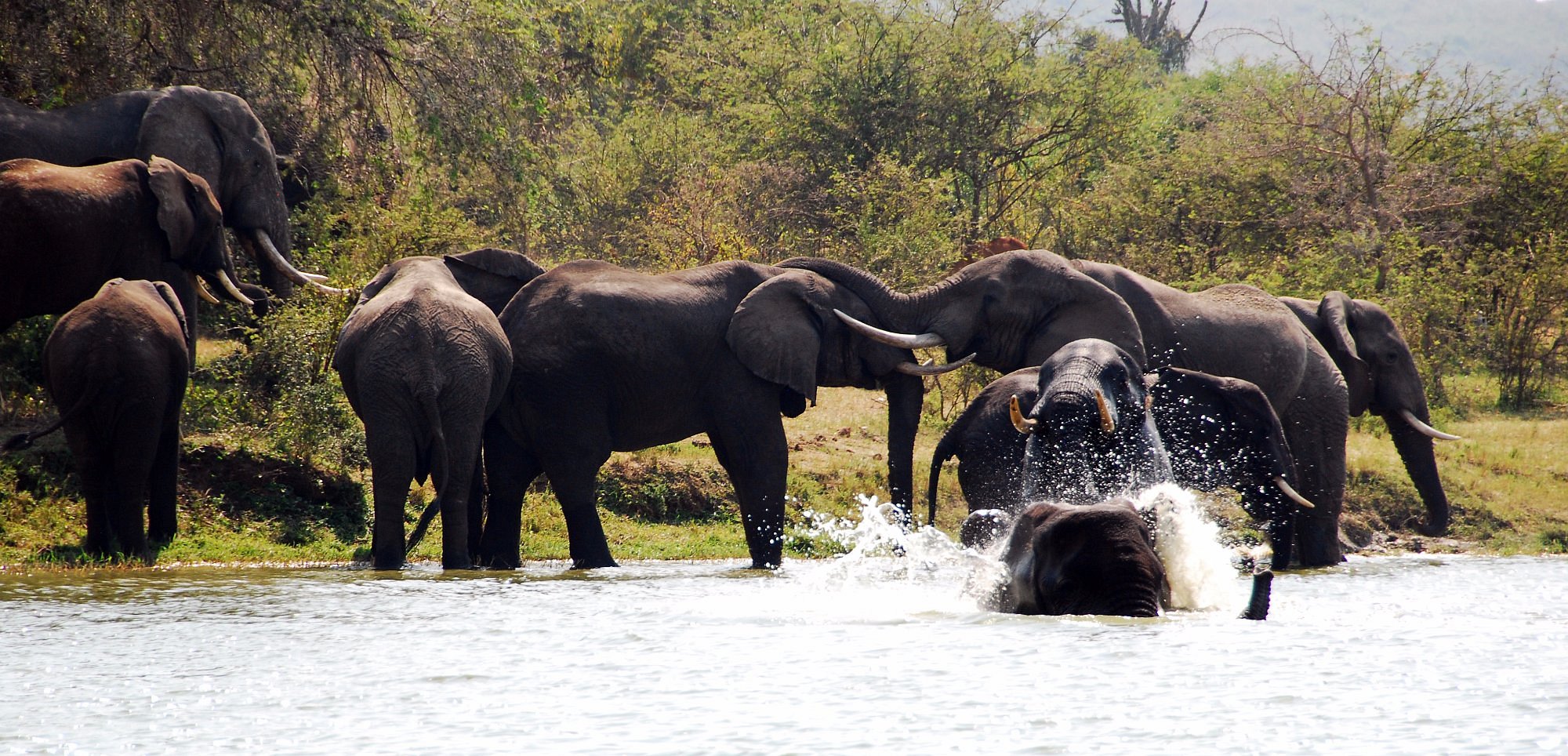
The Kazinga Channel Uganda is a 32-kilometer natural waterway connecting Lake George and Lake Edward in Queen Elizabeth National Park. Known for its abundant wildlife, the channel provides some of the best Uganda safari experiences with opportunities to see large concentrations of hippos, crocodiles, and a variety of bird species. Boat tours along the channel are popular, offering close-up views of animals as they gather along the shores for water. Visitors can also spot elephants, buffalo, and other wildlife in their natural habitat. A trip to the Kazinga Channel Uganda is one of the top reasons to visit Uganda, providing unforgettable encounters with nature within the diverse ecosystems of this renowned national park.
What is the Kazinga Channel and where is it located?
The Kazinga Channel is a natural waterway located in Uganda, East Africa. It lies within the boundaries of Queen Elizabeth National Park, which is one of Uganda’s most famous and protected wildlife reserves. The channel is an approximately 32-kilometer-long stretch of water that connects two large lakes: Lake George and Lake Edward. These lakes are situated in the western part of Uganda, near the country’s border with the Democratic Republic of Congo.
The area surrounding the channel is rich in diverse wildlife, vegetation, and natural beauty, making it a significant feature of Uganda’s ecological and geographical makeup. People often visit the channel to see animals and birds in their natural habitats, as it serves as a water source for many species.
In short, the Kazinga Channel is an important waterway within Uganda, both as part of its natural landscape and as a vital ecological site.
What is the significance of the Kazinga Channel in Uganda’s geography?
The Kazinga Channel is significant in Uganda’s geography for a few key reasons.
First, it plays an essential role in linking Lake George to Lake Edward, which are two prominent freshwater bodies in Uganda. By forming this connection, the channel supports the exchange of water between the two lakes and helps regulate the ecosystem of the surrounding area.
Second, the channel is located within Queen Elizabeth National Park, one of Uganda’s most prominent conservation areas. This location makes the channel a critical part of a protected and biodiverse landscape. Since it serves as a permanent source of water, many animals, including elephants, buffalos, hippos, and crocodiles, rely on it for sustenance.
Lastly, the channel contributes to Uganda’s geography as a geographical marker and a key feature that attracts tourists. Its importance lies in being both a physical feature in Western Uganda and a driver for ecotourism. Tourists from around the world visit the Kazinga Channel for wildlife viewing and exploration, which also boosts the local economy.
Overall, the Kazinga Channel is an integral part of Uganda’s water system and its broader ecological network.
How long is the Kazinga Channel, and which bodies of water does it connect?
The Kazinga Channel is approximately 32 kilometers (or about 20 miles) long. Its primary geographical function is to create a natural connection between two prominent lakes in Uganda: Lake George in the northeast and Lake Edward in the southwest.
Lake George is a smaller lake with a surface area of nearly 250 square kilometers. Most of its water comes from inflows from nearby rivers and streams, and it receives consistent rainfall. In contrast, Lake Edward is much larger, with an area of around 2,325 square kilometers. The Kazinga Channel serves as a pathway for water to move between these two lakes, effectively balancing water levels and supporting the surrounding wetlands.
By connecting these water bodies, the channel also supports numerous ecosystems, allowing fish and plants to thrive. The continuous flow through the channel means that both Lake George and Lake Edward benefit from an interconnected system that contributes to their overall health and biodiversity.
This natural link between the two lakes not only supports wildlife but also adds to the significance of the area, making it a major feature of Western Uganda.
What types of wildlife can be found in or around the Kazinga Channel?
The Kazinga Channel is home to a diverse range of wildlife, making it an important part of Uganda’s natural environment. This 32-kilometer-long channel connects Lake George and Lake Edward, creating a rich ecosystem where animals thrive.
One of its most striking features is the high population of hippos. Thousands of hippos live in and around the channel, often seen lounging in the water to cool off or grazing along the banks.
You’ll also find Nile crocodiles, which were previously uncommon in the area until water levels rose and conditions became more favorable for them.
The channel supports various species of fish, including tilapia and catfish, which serve as a source of food for both humans and other animals.
When it comes to birdlife, the Kazinga Channel is a treasure. Over 600 bird species can be spotted, such as the African fish eagle, pelicans, kingfishers, cormorants, and saddle-billed storks. The channel attracts birdwatchers from all over the world due to its abundance of rare and migratory birds.
Other large animals, such as elephants, are often seen drinking or bathing near the water’s edge. Buffaloes also frequent the channel, grazing nearby.
In addition, it’s common to find antelope species like Uganda kob around the grassy plains near the channel.
Occasionally, predators such as lions are spotted nearby, and leopards might be seen hiding in trees or shrubs close to the water.
In summary, the Kazinga Channel supports an incredible variety of wildlife, including hippos, crocodiles, elephants, buffaloes, and countless bird species. It provides food, water, and shelter, creating a suitable environment for animals to live and thrive.
Why is the Kazinga Channel considered an important tourist attraction?
The Kazinga Channel has become one of Uganda’s most popular tourist destinations because of its rich wildlife and the opportunity to see animals up close. Located in Queen Elizabeth National Park, it attracts travelers interested in experiencing the natural beauty of East Africa.
One of the main reasons people visit is to take boat cruises along the channel. These guided trips allow visitors to observe animals safely and comfortably from the water. Seeing large groups of hippos lounging in the water or elephants drinking at the banks is a unique experience that keeps tourists coming back.
The exceptional variety of bird species also makes it a famous spot for birdwatchers. For those with an interest in photography, the channel offers excellent chances to capture breathtaking shots of wildlife in its natural habitat.
The channel’s connection to Lake Edward and Lake George adds to its appeal. These two major water bodies create a picturesque backdrop and improve the local environment by supporting life in the area.
Tourists visiting the Kazinga Channel also contribute to the local economy. Park entry fees, boat safari payments, and other tourism activities support conservation efforts and provide employment opportunities for nearby communities.
Additionally, the channel is an excellent place for families, groups, and individuals to connect with nature, enjoy leisure activities, and learn about the importance of preserving ecosystems.
Its location within Queen Elizabeth National Park further boosts its popularity, as visitors can combine a trip to the channel with other safaris and activities. The variety of wildlife and ease of access make it an unforgettable experience for anyone visiting Uganda.
What activities can visitors engage in while exploring the Kazinga Channel?
Visitors to the Kazinga Channel have several exciting activities to enjoy, making it an ideal destination for nature lovers and adventure seekers. Here are some of the main activities:
- Boat Cruises: This is the most popular activity at the Kazinga Channel. Guided boat safaris allow visitors to watch animals like hippos, crocodiles, and elephants from a close but safe distance. Guests get to relax on the water while experiencing the vibrant wildlife along the shores.
- Birdwatching: With over 600 bird species in the area, the Kazinga Channel is a paradise for birdwatchers. Visitors can spot birds such as kingfishers, eagles, herons, and many migratory species. Binoculars and cameras help in observing and photographing these beautiful creatures.
- Nature Walks: Close to the channel, various guided nature walks are available. These walks provide an opportunity to enjoy the surrounding vegetation and spot land animals such as antelopes or buffaloes.
- Wildlife Viewing: Apart from the animals in the water, visitors can also observe wildlife grazing or resting along the banks. For example, seeing elephants splash in the water is a common highlight.
- Fishing: Fishing excursions are an option for those with an interest in catching species like tilapia or catfish. Locals often organize such activities for tourists who want to try their hand at traditional fishing methods.
- Photography Tours: For photography enthusiasts, the Kazinga Channel provides countless opportunities to capture close-up images of animals, birds, and scenic landscapes.
- Learning About Nature: Guided tours often include informative sessions where rangers share insights about the ecosystem, the animals, and conservation efforts.
Whether someone seeks relaxation or adventure, these activities make a visit to the Kazinga Channel a memorable experience. It combines education, entertainment, and a unique chance to connect with Uganda’s natural beauty.
How does the Kazinga Channel contribute to the local ecosystem and biodiversity?
The Kazinga Channel plays a key role in maintaining the health of the surrounding ecosystem by serving as a critical source of water for both plants and animals. The channel connects Lake George to Lake Edward, forming a natural waterway that ensures a constant supply of freshwater throughout the area. This makes the channel and its surroundings an ideal habitat for a wide variety of wildlife, including hippos, crocodiles, birds, and fish species.
Since the channel brings life-sustaining water to a largely tropical environment, it encourages lush vegetation to grow along its banks. This vegetation supports diverse animal species, from grazers like buffalo and antelopes to smaller organisms such as amphibians and insects. Many of these species depend on the areas surrounding the channel for food, shelter, and breeding.
The channel is also incredibly important for birds, acting as one of Africa’s richest bird-watching destinations. Migratory birds flock to the channel during different times of the year, resting in the wetlands or along the shores. Species such as African skimmers, cormorants, kingfishers, and pelicans thrive here, boosting the region’s biodiversity.
Additionally, the Kazinga Channel plays an important role in the aquatic ecosystem, acting as a breeding area for fish. Local communities benefit from this, as fishing forms a significant part of their livelihoods. Predators such as crocodiles and large fish also benefit from the abundance of smaller fish, ensuring balance within the food chain.
In summary, the Kazinga Channel is at the heart of the biodiversity network in the larger Queen Elizabeth National Park, providing resources and an ideal environment for countless species to survive and flourish.
What conservation efforts are in place to protect the Kazinga Channel and its surroundings?
Several efforts are being made to protect the Kazinga Channel and its surroundings. As part of the Queen Elizabeth National Park, the channel falls under Uganda Wildlife Authority’s (UWA) protection. The UWA is responsible for implementing strict regulations that reduce harmful human activities such as illegal poaching, overfishing, and unsustainable tourism operations. Armed rangers patrol the area to discourage poaching and ensure the safety of the wildlife inhabiting this region.
To conserve the channel’s natural water quality and aquatic ecosystem, local organizations and national authorities have endorsed sustainable fishing practices. Overfishing and the inadvertent capture of juvenile fish species could disrupt the water’s natural balance. Fishing is regulated by issuing permits, seasonal restrictions, and education campaigns for fishermen to ensure they use eco-friendly gear and techniques.
Conservation groups and non-governmental organizations (NGOs) have also committed resources to protect the rich bird and wildlife populations in the region by funding research and monitoring programs. For example, some initiatives focus on studying bird behavior or monitoring endangered species to better understand how best to safeguard their habitats.
Furthermore, there are efforts to train local communities in practicing eco-friendly farming to reduce soil erosion and harmful agricultural practices that can lead to sedimentation in the channel. Excess sediment can destroy feeding and breeding grounds for aquatic animals. Environmental education campaigns teach people living nearby about the importance of keeping this habitat healthy and clean.
Lastly, tourism operators are encouraged to follow eco-tourism principles. Boat tours, for instance, now have guidelines limiting noise pollution and avoiding overcrowded routes that could disturb animals. Tour guides are trained on responsible practices to help preserve this fragile environment for future generations.
What impact does the Kazinga Channel have on the communities living near it?
The Kazinga Channel has a significant effect on the lives of the communities living around it, providing resources essential for their daily needs and income. Firstly, the channel supports fishing communities, as the waterway is rich with fish species such as tilapia and catfish. Many families rely on this source of freshwater fish for food and livelihood. Selling fish in local markets brings income, enabling these communities to support themselves economically.
Tourism is another major benefit brought by the channel. Visitors come from all over the world to view the wildlife, experience scenic boat rides, and explore the surroundings. This creates job opportunities for residents, whether as tour guides, boat operators, or employees in nearby lodges and restaurants. The money generated from tourism often benefits the region, contributing to infrastructure improvements such as schools and healthcare facilities.
The channel also ensures a steady supply of freshwater, which is vital for agricultural practices. Farmers use this water to irrigate their crops, allowing them to grow enough food for subsistence and sale. Livestock herders also guide their animals to the channel to drink during the dry season, ensuring that their cattle, goats, and other animals survive.
Despite its benefits, certain challenges exist. For example, occasional conflicts arise between local communities and the wildlife, particularly when animals such as hippos or elephants wander near farms, damaging crops or posing safety risks. Conservation programs have worked on addressing these issues, offering solutions like buffering zones or compensating communities for damages caused by wildlife.
In summary, the Kazinga Channel is a lifeline for the people who live nearby, supporting their livelihoods and overall well-being while also fostering eco-tourism-related opportunities. Proper management ensures that it remains a sustainable resource that benefits both humans and the environment.
How does the Kazinga Channel fit within the larger Queen Elizabeth National Park?
The Kazinga Channel is a key feature of Queen Elizabeth National Park in Uganda. Queen Elizabeth National Park, one of the most famous protected areas in East Africa, is home to diverse wildlife and ecosystems, and the channel forms an essential part of this environment.
The Kazinga Channel, a natural waterway about 32 kilometers (20 miles) long, connects Lake George to Lake Edward. Located near the park’s center, this channel acts as a hub for wildlife activity within the area, attracting animals year-round due to the consistent availability of water. Many animals, including elephants, buffaloes, hippos, and crocodiles, rely on its waters for drinking, bathing, and feeding.
The channel also supports bird populations, making it a hotspot for birdwatching in the park. Species like African fish eagles, pelicans, kingfishers, and cormorants can often be seen along its banks.
Queen Elizabeth National Park features savannahs, wetlands, and forests, and the Kazinga Channel links these habitats by providing an essential water source. Because of its central position, it is accessible to tourists who visit the park, and boat cruises along the channel are a highlight of many trips. These activities help showcase the biodiversity of the park and give visitors a unique perspective of its ecosystems.
In short, the Kazinga Channel helps bring various elements of the national park together. It supports life, attracts visitors, and plays a part in maintaining the unique environment of Queen Elizabeth National Park.
When is the best time of year to visit the Kazinga Channel for wildlife sightings?
The best time to visit the Kazinga Channel for viewing wildlife is often during Uganda’s dry seasons, which typically occur from December to February and again from June to August. During these months, the weather is more predictable, with less rainfall. This makes it easier to navigate the national park and find wildlife near water sources like the Kazinga Channel.
During the dry season, animals tend to stay closer to water bodies because other water sources in savannah areas may dry out. For example, elephants, hippos, buffaloes, and even predators like lions may be easily spotted along the Kazinga Channel’s banks. The decreased vegetation during this period provides clearer views of the animals, as there is less greenery blocking your sightline.
For bird enthusiasts, the best time for migratory bird species is between November and April. During this time, birds come from Europe and other regions, adding to the already rich variety of bird species found around the channel.
On the other hand, although the rainy seasons, March to May and September to November, may make travel within the park trickier, the wet months create lush green landscapes. This vibrant vegetation can appeal to certain visitors despite the challenges of mud and fewer accessible trails.
In conclusion, the dry months provide a greater likelihood of observing multiple animals clustered in one area, enhancing the overall experience at the Kazinga Channel. Planning a visit during this period increases your chances of experiencing wildlife and clearer weather.
Are there any cultural or historical aspects tied to the Kazinga Channel?
The Kazinga Channel does not only possess ecological importance but also holds relevance in terms of culture and history. For centuries, this region has been home to various ethnic communities that have adapted to life in proximity to the waterways.
Local communities, such as the Bakonjo and Basongora people, have historically lived near the channel. Fishing has been a primary activity for many of these groups, as the channel provides an abundance of fish species that serve as both sustenance and a means of trade. Traditional fishing techniques, such as the use of nets and wooden boats, often passed down through generations, are still practiced.
The channel’s name also has colonial historical significance. During the British occupation of Uganda, names and mapping were developed to highlight certain regions, including areas like this one. The name “Kazinga” is tied to earlier names given by nearby communities but was adapted as a geographical marker during colonial times.
Culturally, the Kazinga Channel continues to play a role in the traditions and livelihoods of those who live nearby. Certain ceremonies and activities, such as festivals or practices involving water spirits, have taken place among communities living near the channel.
In addition, as part of Queen Elizabeth National Park, the Kazinga Channel contributes to the storytelling and historical importance of wildlife conservation in Uganda. It serves as a reminder of how local folklore often highlights the relationship between nature and human life.
These historical and cultural ties enrich the significance of the Kazinga Channel, adding depth to the ecological wonders found there.
How To Book Your Safari in Uganda
Now you know what makes the Kazinga Channel in Uganda so special, its amazing wildlife, its role connecting Lake Edward and Lake George, and why it’s a must-see for any nature lover. Ready to witness this unforgettable destination yourself? Reach out to one of the trusted Uganda Safari Companies to plan your adventure.