Explosion Craters in Queen Elizabeth National Park Tour
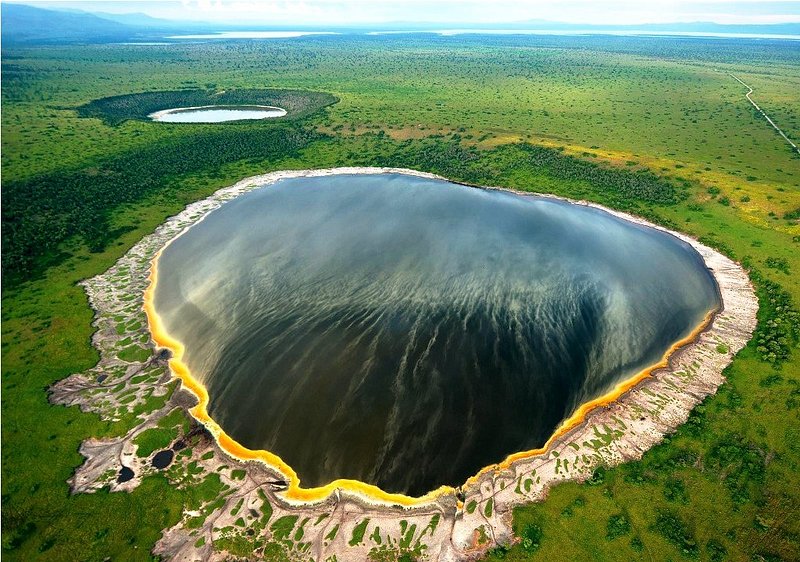
The Explosion Craters in Queen Elizabeth National Park are a series of dramatic volcanic craters located in southwestern Uganda. These craters, formed by ancient volcanic activity, create stunning landscapes and provide incredible panoramic views for visitors. Key highlights include the Katwe Crater, known for its traditional salt mining, and the Nyamunuka Crater, also called the “place of animals.” Visitors on Uganda safaris can explore these unique geological features, along with incredible wildlife sightings and birdwatching opportunities. The explosion craters are one of the must-see attractions for those traveling to Queen Elizabeth National Park, making them a compelling reason to visit Uganda and experience its rich natural heritage.
What are explosion craters, and how are they formed?
Explosion craters are large, circular depressions in the ground that are created by violent eruptions caused by the buildup of gases beneath the Earth’s surface. These craters typically form when underground pressure becomes too extreme for the crust to contain, leading to a sudden release of energy. Instead of lava flowing out as in a typical volcanic eruption, an explosion crater is formed when rock, gas, and debris are violently ejected, leaving behind a large hollow site.
One key feature of these craters is that they are created by explosions rather than meteor impacts or erosion. For example, imagine if gases trapped beneath the earth are like a balloon. As pressure builds, the “balloon” eventually bursts, blowing open the crust above it.
The material ejected during the explosion often forms a ring or small mound around the crater’s edges. Depending on the size of the eruption, the crater may be small and shallow or larger and deeper.
An example of an explosion crater is found in Queen Elizabeth National Park in Uganda, where these features punctuate the landscape as a result of volcanic activity that occurred thousands of years ago. These craters don’t erupt now but remain fascinating geological features.
Where specifically are the explosion craters located within Queen Elizabeth National Park?
The explosion craters in Queen Elizabeth National Park are primarily located in the northern part of the park, close to the famous Mweya Peninsula and alongside the Kazinga Channel. Two notable areas where these can be seen are Katwe Crater Field and the Bunyaruguru Crater Field. Both regions are home to multiple craters that feature diverse shapes and often include crater lakes.
The Katwe Crater Field is famous for its series of lake-filled craters such as Lake Katwe, which is highly salty and has been used historically for salt mining. These craters are accessible for tourists and provide stunning views of not only the craters but also the surrounding regions, including the nearby Rwenzori Mountains.
The Bunyaruguru Crater Field consists of additional craters located to the southeast of the Kazinga Channel. Some of these craters are water-filled, while others are dry. This region lies along a volcanic field that is a key feature of the park’s geological history.
In essence, these craters are scattered across the northern plains of the park, creating a unique and scenic topographical element that attracts geologists, nature lovers, and researchers alike.
What geological processes led to the creation of the explosion craters in this region?
The explosion craters within Queen Elizabeth National Park were created through processes linked to volcanic activity and the tectonic geology of the East African Rift System. This system is a vast network of fractures and rifts in the Earth’s crust caused by the movement of tectonic plates.
In this area, the African tectonic plate experienced stretching and thinning. Over time, movements caused the crust to weaken, creating spaces for molten rock, or magma, under high pressure to rise closer to the surface. When magma interacts with underground water or encounters gases, an intense reaction occurs. This leads to a sudden explosion that blows apart the crust, leaving behind a crater.
The explosion craters differ from volcanoes because they aren’t accompanied by a magma outflow. Instead, what you see is the result of the gas-driven force ripping apart the crust. These features in Queen Elizabeth National Park formed when this area was more geologically active, thousands of years ago, driven by the tectonic pressures of the East African Rift.
For example, Lake Katwe is a product of such a massive explosion, with gases and debris blasting out and creating a huge depression that later filled with water. The high salt concentration in the lake is likely due to the minerals left behind from these ancient geological events.
How old are the explosion craters in Queen Elizabeth National Park?
The explosion craters within Queen Elizabeth National Park are believed to have formed between 8,000 and 10,000 years ago, which makes them relatively young in geological terms. These craters are part of a geological system influenced by volcanic activity in the East African Rift Valley, an area where tectonic plates are slowly pulling apart. Over thousands of years, magma from within the Earth’s mantle came close to the surface. When this magma mixed with underground water or gases trapped in rock layers, it caused violent explosions. These eruptions created craters that we now see in the park.
To put this time frame into perspective, these craters were formed after the last Ice Age, at a time when human civilizations were starting to develop basic agriculture in other parts of the world. Geologically speaking, this makes these craters relatively recent features compared to older volcanic systems that can be millions of years old.
Today, these craters are considered extinct, meaning that they are no longer prone to the kinds of violent eruptions that formed them. However, their structure, both above and below the ground, remains a testament to the powerful forces that shaped the landscape thousands of years ago.
Are the explosion craters still geologically active?
No, the explosion craters in Queen Elizabeth National Park are not geologically active anymore. These craters are categorized as extinct, which means that they are no longer likely to experience volcanic activity in the future. When they were formed thousands of years ago, they were the result of massive explosions caused by the interaction of magma and underground water or other volatile substances. Over time, the volcanic processes in this area have quieted down.
While the craters themselves are inactive, the broader region of the East African Rift Valley does remain an active tectonic zone. This region is known for its slow, ongoing movement caused by the separation of tectonic plates. These geological shifts don’t directly impact the craters anymore but serve as a reminder of the active geological history of the region.
Today, the craters show no signs of emitting gases, steam, or any other indicators of subterranean activity. Their current role is more ecological, supporting wildlife habitats and unique landscapes rather than active geological formation.
What is the size and depth of the explosion craters in the park?
The explosion craters in Queen Elizabeth National Park vary widely in size and depth, depending on the intensity of the eruptions that created them. On average, these craters can span anywhere from a few hundred meters to more than 3 kilometers in width. Their depths range from tens of meters to over 200 meters in some places.
A specific example is the Katwe Crater, which is one of the most well-known craters in the park. It has a diameter of about 3 kilometers, and its substantial depth adds to its striking appearance. Some of these craters have now turned into crater lakes, like Lake Katwe, which is famous for its traditional salt mining activities. Other craters, like the shallow Kyemengo Crater, contain grassland or different ecosystems.
The variability in size and depth is due to differences in the amount of energy released during the explosions that formed them, as well as the types of material ejected. Larger explosions formed broader, deeper craters, while smaller explosions resulted in less dramatic formations. Today, these dimensions make the craters not only interesting geological features but also hotspots for unique ecosystems.
How do the explosion craters impact the surrounding ecosystem and biodiversity?
The explosion craters in Queen Elizabeth National Park play a significant role in shaping the ecosystem and biodiversity in the area. These craters, which were formed through ancient volcanic activity, have now transformed into unique natural features that support various plant and animal species. Over time, many of these craters have filled with water, becoming small saltwater or freshwater lakes. The presence of these water bodies is vital for the survival of both local wildlife and vegetation.
For example, the water in some craters has a high salt concentration, which attracts animals such as elephants, buffalo, and antelope. These animals often come to these craters to lick the salt deposits as part of their diet. In craters with freshwater, animals rely on them as a drinking source, particularly during the dry season when other water sources may dry up. Birds also benefit from these areas, as the craters serve as habitats for aquatic birds like flamingos and pelicans.
The surrounding vegetation depends on the nutrient-rich soil created by the craters’ volcanic past. Plants, shrubs, and grasses grow abundantly in these areas, providing food and shelter for various species. The craters also encourage a natural concentration of wildlife due to the water and nutrient availability, making them biodiversity hotspots within the park.
In summary, the explosion craters create small but rich ecosystems that benefit both flora and fauna, making them critically important areas in the park.
Are there any specific animal or plant species that inhabit the explosion craters?
Several animal and plant species are frequently associated with the explosion craters in Queen Elizabeth National Park. These species rely on the unique conditions within and around the craters for habitat, food, or survival.
Among the animals, flamingos are a notable species often seen in some of the saltwater craters, particularly Lake Nyamunuka. Flamingos are attracted to these salty waters because they feed on algae and small organisms that thrive in such environments. Other birds, such as the African fish eagle and pelicans, can also often be spotted here.
Larger mammals like elephants, buffaloes, and antelopes frequent the craters either to drink water or consume salt deposits left behind in areas with high salinity. Lions and leopards are sometimes observed near these crater lakes as they hunt prey that comes to drink or feed.
In terms of vegetation, certain plants that tolerate salty or alkaline conditions grow thrivingly around some of the saltwater craters. Conversely, areas with freshwater support more typical grassland vegetation, making them ideal grazing areas for herbivores.
The craters also encourage diverse microorganisms in the water, which serve as the base of the food chain, supporting larger species. In essence, these craters sustain a variety of life, from the smallest algae to large predators, creating interlinked ecosystems.
What role do the explosion craters play in the park’s tourism and visitor activities?
The explosion craters are a key attraction in Queen Elizabeth National Park, drawing visitors from all over the world. Their natural beauty, combined with the wildlife they support, makes them a highlight for tourism activities. The most famous group of craters is the Katwe Explosion Craters, which offer stunning, panoramic views of the surrounding landscape, including the Great Rift Valley and nearby lakes.
Tourists often participate in guided tours to view the craters and observe the wildlife that resides in or around them. Birdwatching is a popular activity, especially for visitors who want to see species like flamingos in the saltwater craters. Additionally, the craters provide opportunities for wildlife photography, as animals like elephants and buffaloes are frequently spotted around them.
Some of the craters are also used for cultural and educational purposes. For instance, Lake Katwe is part of a traditional salt-mining industry, where visitors can witness and learn about the process of salt extraction. This combines elements of geology, history, and economics, giving an added dimension to the experience.
The explosion craters also serve as resting points or highlights during broader game drives, where visitors can marvel at their unique shapes and formation. Their location within the park makes them accessible parts of the larger tourist itinerary.
In summary, the craters contribute both economically and educationally to the park, offering memorable experiences for visitors while supporting conservation through tourism revenue.
Are there any cultural or historical associations tied to the explosion craters?
The explosion craters in Queen Elizabeth National Park hold some cultural and historical significance for the local communities in the surrounding areas. While the craters themselves are primarily geological formations, they have been linked to local mythology and traditions for centuries. Some local communities believe these craters were formed by the actions of gods or spirits, and they incorporate the sites into their oral histories and folklore.
These craters are sometimes referred to as sacred places by certain groups, who see the dramatic landscape as evidence of the power of nature or divine forces. Certain areas around these craters might have been used for traditional ceremonies or as sites of storytelling to explain their origins. For instance, people may have attributed the explosions that created these craters to battles or other supernatural events rather than volcanic activity.
On a more historical level, these craters serve as a reminder of the region’s volcanic and geological activity. Geologists and historians often associate their formation with a timeline of Earth’s natural changes, giving insight into the ancient processes that shaped the East African Rift Valley.
Despite their geological importance, most of the cultural and historical associations are likely localized and passed down through unwritten traditions. Efforts to document these stories can help preserve this intangible cultural heritage, even as modern science expands our understanding of these formations.
How are the explosion craters being conserved or managed by park authorities?
The explosion craters in Queen Elizabeth National Park are carefully managed by the Uganda Wildlife Authority (UWA). The park authorities work to protect these features because they are important ecologically, geologically, and for tourism.
One key conservation initiative is to prevent human activities that could damage the craters. For example, farming, construction, and illegal mining are restricted in areas near the craters to preserve their natural state. Additionally, any infrastructure built around the craters for tourism purposes is kept environmentally friendly to reduce the impact on the surrounding environment.
Another management effort focuses on maintaining the biodiversity around these craters. The craters often contain unique ecosystems, including plants and wildlife that thrive in the specific conditions created by the surrounding land and water. Protecting these habitats is a priority, and there are patrols to prevent poaching or other activities that might harm the animals in the area.
Park authorities also engage in community outreach programs to educate nearby residents about the importance of the craters and the need to protect them. These programs often encourage locals to support conservation efforts by participating in eco-friendly projects that benefit the community, such as tourism initiatives that create jobs without harming the environment.
By blending protection, education, and tourism, the UWA aims to conserve the craters while allowing visitors to enjoy and learn from them responsibly.
What scientific research has been conducted on these craters, and what are the key findings?
Scientists have conducted various types of research on the explosion craters in Queen Elizabeth National Park to study their geological history, ecological importance, and potential for tourism. Geologists are particularly interested in these craters because they provide clear evidence of volcanic activity in the past. The craters were formed when underground gases and magma exploded, and studying them helps researchers better understand the geological processes of the East African Rift System.
One key finding from geological studies is that the craters are maars, which means they were formed by explosive interactions between magma and groundwater. Research into their size, depth, and age has helped scientists estimate when volcanic activity took place in this region and how the land changed over time.
From an ecological perspective, researchers have examined the wildlife and habitats within and around the craters. Many of these craters now contain lakes or wetlands, which support unique plant life and provide water for animals like elephants and hippos. Studies have highlighted these areas as critical microhabitats that boost biodiversity in the park.
Research has also been conducted on the potential of the craters for sustainable tourism. Because they draw visitors from around the world, studies focus on how to balance tourism with conservation. These findings are used to guide park management in developing activities that allow visitors to experience the craters without harming their ecosystems.
Overall, scientific research on the craters has uncovered their geological significance, highlighted their role in biodiversity, and informed conservation strategies to protect them for future generations.
How To Book Your Safari in Uganda
Ready to explore the fascinating Explosion Craters in Queen Elizabeth National Park? We’ve covered their origins, unique features, and why they are a must-see. Now, it’s time to experience them for yourself! To plan your trip, simply contact one of the trusted Uganda Safari Companies. They’ll help you craft an unforgettable adventure to these breathtaking natural wonders. Start your journey today!