Best Uganda Wildlife Safaris
The Best Wildlife Safaris in Uganda include exploring Queen Elizabeth National Park for its famous tree-climbing lions and boat safaris on the Kazinga Channel, spotting mountain gorillas in Bwindi Impenetrable National Park, and tracking chimpanzees in Kibale Forest National Park. Other highlights are game drives in Murchison Falls National Park, known for its incredible waterfalls and diverse wildlife, and birdwatching in Lake Mburo National Park. Visitors can also experience unique cultural interactions and enjoy Uganda’s breathtaking savannahs. A visit to Uganda offers incredible opportunities for encountering Africa’s iconic species and stunning landscapes, making it ideal for both photography and adventure enthusiasts.
What are the top wildlife safari destinations in Uganda?
Uganda is home to a variety of protected areas, rich in biodiversity, offering incredible opportunities for wildlife safaris. The Queen Elizabeth National Park is one of the most popular safari destinations in Uganda. Located in the western region of the country, it is well-known for its tree-climbing lions, which are found specifically in the Ishasha Sector of the park. The park also offers boat safaris on the Kazinga Channel, where tourists can see hippos, crocodiles, and a variety of bird species.
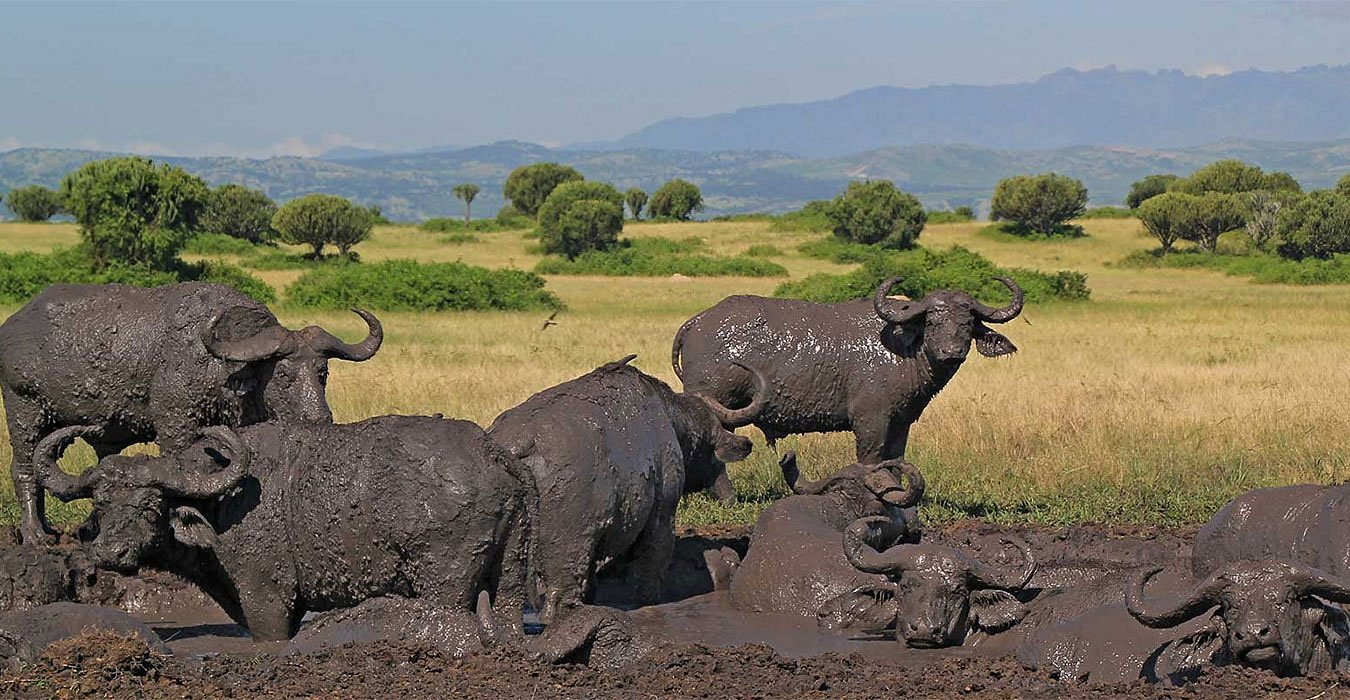
Another top destination is Murchison Falls National Park, which is the largest park in Uganda. It features stunning views of the powerful Murchison Falls on the Nile River. Wildlife here includes elephants, buffaloes, giraffes, and lions, making it an excellent place for game drives. The boat safari to the base of the falls offers an up-close view of aquatic wildlife.
Bwindi Impenetrable National Park is famous for its gorilla trekking experience. Though it’s not a traditional game-viewing safari destination, it is a must-visit for those interested in seeing mountain gorillas in their natural habitat.
Other notable locations include Kidepo Valley National Park, known for its remote wilderness and large herds of buffaloes, and Lake Mburo National Park, which is ideal for spotting zebras, antelopes, and unique birdlife.
Which national parks in Uganda are best for wildlife viewing?
Certain national parks in Uganda stand out for their rich wildlife diversity. Queen Elizabeth National Park is particularly notable. The Ishasha Sector is great for spotting the iconic tree-climbing lions, while the park’s plains host elephants, warthogs, Uganda kobs, and hyenas. The Kazinga Channel within the park is home to hippos, crocodiles, and a variety of water birds, perfect for wildlife enthusiasts.
Murchison Falls National Park excels as a prime location for game drives and offers sightings of large mammals like giraffes, lions, elephants, and leopards. The vibrant birdlife, with species like the shoebill stork, adds to its natural beauty.
In northern Uganda, Kidepo Valley National Park is an incredible site for wildlife viewing due to its remoteness and sparse visitor traffic, ensuring peaceful encounters with wildlife like cheetahs, ostriches, lions, and buffaloes.
For those interested in primates, Bwindi Impenetrable National Park and Kibale National Park offer a chance to see gorillas and chimpanzees, among other species. Finally, visitors to Lake Mburo National Park can enjoy wildlife viewing with zebras, antelopes, and bird species like the rare African finfoot.
What types of wildlife can be seen on a safari in Uganda?
Uganda is known for its rich and diverse wildlife, ranging from large mammals to unique bird species. On a safari, visitors can encounter the “Big Five” in some locations, including lions, leopards, elephants, buffaloes, and rhinoceroses. For example, rhinos can be found at the Ziwa Rhino Sanctuary, which is often combined with trips to Murchison Falls National Park.
In popular safari parks like Queen Elizabeth National Park and Murchison Falls National Park, tourists can spot giraffes, warthogs, Uganda kobs, and hippos, along with predators like lions and hyenas. The Ishasha Sector of Queen Elizabeth National Park is specifically renowned for its tree-climbing lions, a rare behavior that’s exciting to witness.
Uganda also has an impressive primate population, with mountain gorillas being the most famous. These gentle giants are found in Bwindi Impenetrable National Park and Mgahinga Gorilla National Park. Chimpanzees can be seen swinging through the trees in Kibale National Park, while other primates include colobus monkeys and baboons.
For bird lovers, Uganda is considered a paradise, home to over 1,000 bird species. The shoebill stork, African fish eagle, and great blue turaco are just a few highlights. Additionally, reptiles like crocodiles and monitor lizards can be found near water bodies.
Uganda’s ecosystems are incredibly varied, ranging from savannahs to forests, so different parks offer unique wildlife experiences.
What is the best time of year to go on a safari in Uganda?
The best time to go on a safari in Uganda is during the dry seasons, which occur from June to August and December to February. During these months, the weather is more predictable, with less rainfall, making it easier to travel within the national parks and game reserves. Roads and trails are usually less muddy, which means vehicles can access areas where wildlife tends to gather.
In the dry season, animals are often found near water sources because water in other areas becomes scarce. This makes it easier to spot them. For example, during these months, herds of elephants may congregate near rivers or watering holes, while lions can be seen roaming open grasslands.
On the other hand, the wet seasons (March to May and October to November) are not as ideal for safaris because heavy rains can make roads and trails harder to navigate. Visibility in some areas might also be reduced due to tall grass and increased vegetation. However, the wet season is excellent for birdwatching in Uganda, as many migratory birds visit the country during this time.
For gorilla trekking – popular in Uganda – the dry season is also favorable because the forest trails are not as slippery. In short, if you’re planning a trip, aim for the dry months to enjoy clear wildlife viewing opportunities and easier travel conditions.
How much does a typical wildlife safari in Uganda cost?
A typical wildlife safari in Uganda can cost anywhere from $200 to over $1,000 per day per person, depending on a variety of factors such as the duration of the safari, the level of accommodation, the activities included, and the type of transportation.
For a budget safari, costs could be around $200-$400 per person, per day. These safaris often include basic accommodation, such as camping or budget lodges, and transportation in shared safari vehicles. Meals are usually simple but decent.
A mid-range safari typically costs around $400-$700 per person, per day. This type of safari includes more comfortable lodges or tented camps, private or shared vehicles, professional guides, and higher-quality meals. These are the most popular choices for many travelers, as they balance price and comfort.
Luxury safaris can cost anywhere from $700 to over $1,000 per person, per day. These packages often feature high-end lodges, private safari vehicles, tailored itineraries, and exceptional service. Guests enjoy added perks like spa treatments, professional photographers, or special access to unique safari experiences.
Additional costs may include permits for activities like gorilla trekking (approximately $700 per person) and chimpanzee tracking (about $200 per person). Keep in mind that park entrance fees, meals, and transportation (e.g., flights to Uganda and vehicles within the country) can also influence the overall price. Always inquire about what’s included in the price to avoid unexpected expenses.
What are the different types of safaris available in Uganda (e.g., game drives, walking safaris, boat safaris)?
There are several exciting types of safaris available in Uganda, tailored to suit different interests and preferences. Here are the main safari types:
- Game Drives: This is the most common type of safari. Visitors explore wildlife-rich areas in a 4×4 vehicle with a professional guide. Game drives are especially popular in national parks like Queen Elizabeth National Park and Murchison Falls National Park, where you can see elephants, lions, giraffes, buffalo, and more. These tours often occur early in the morning or late in the afternoon when animals are most active.
- Walking Safaris: These safaris offer a more intimate experience with nature. You walk through designated safe areas with a knowledgeable guide, observing animals and learning about the environment firsthand. For example, in Lake Mburo National Park, walking safaris allow you to see species like zebras and antelope up close.
- Boat Safaris: In Uganda, boat safaris are highly recommended on the Nile River in Murchison Falls National Park or on Kazinga Channel in Queen Elizabeth National Park. While on water, visitors can get a unique perspective of wildlife like hippos, crocodiles, buffalo, and birds as they gather along the riverbanks.
- Chimpanzee and Gorilla Trekking: Uganda is famous for close encounters with primates during trekking excursions. Treks in forests like Bwindi Impenetrable National Park lead groups to wild gorilla families, while Kibale Forest National Park is ideal for spotting chimpanzees. These experiences often require a permit and involve hiking in forested terrain.
- Birding Safaris: With over 1,000 bird species, Uganda is a paradise for bird enthusiasts. Specialized birding tours take visitors to hotspots like Mabamba Swamp or the Albertine Rift to see iconic species like the shoebill stork or African green broadbill.
- Night Safaris: These safaris are less common but provide a chance to see nocturnal animals like leopards, civets, and porcupines. Some parks, like Lake Mburo National Park, allow guided night safari drives.
Each of these options caters to unique interests, making Uganda an excellent choice for a fulfilling safari experience.
Which safari tour operators are recommended for Uganda safaris?
When choosing a safari tour operator in Uganda, it is essential to go with experienced, reliable, and licensed operators to ensure a smooth experience. Look for companies that are registered with the Uganda Tourism Board (UTB) and the Association of Uganda Tour Operators (AUTO). Such companies often provide professional guides, well-maintained vehicles, and organized itineraries.
Some highly rated safari operators include:
- Wild Frontiers Uganda Safaris: Known for years of experience, they offer a variety of wildlife tours, gorilla trekking packages, and private safaris. They are particularly praised for how well-planned their trips are.
- Red Chilli Hideaway: Popular with budget travelers, Red Chilli offers affordable wildlife safaris, especially to Murchison Falls National Park. They provide transport, accommodation, and knowledgeable guides.
- Uganda Wildlife Safaris: This operator focuses on customized tours suitable for solo travelers, groups, or families. They are known for personalized experiences.
- Gorilla Trek Africa: Specializing in gorilla trekking packages, they can also combine wildlife safaris with activities like boat cruises or cultural visits.
- Kidepo Valley Safaris: If you’re planning to explore the lesser-visited Kidepo Valley National Park, this operator has considerable knowledge of the area.
Look for reviews and testimonials on websites like TripAdvisor or SafariBookings. Direct communication with the operator is also helpful to clarify itineraries, costs, and services.
What accommodations are available during a wildlife safari in Uganda?
Uganda offers a range of safari accommodations, from budget options to luxury lodges. These are typically located near or within the national parks to provide easy access for game drives and other activities.
- Luxury Lodges: For a high-end experience, lodges like Sanctuary Gorilla Forest Camp (near Bwindi Impenetrable Forest) or Apoka Safari Lodge (in Kidepo Valley) provide amenities such as spacious suites, swimming pools, and fine dining.
- Mid-range Lodges: These are ideal for travelers seeking comfort at a reasonable price. Examples include Pakuba Safari Lodge in Murchison Falls or Buhoma Lodge near Bwindi. They often include full-board services, en-suite facilities, and game-drive packages.
- Budget Accommodations: Campsites and basic lodges cater to those traveling on a limited budget. Red Chilli Rest Camp in Murchison Falls and Rwenzori View Guest House in Fort Portal provide affordable, clean options.
- Campsites and Tented Camps: For those who enjoy camping or want an outdoor feel, tented camps like Ishasha Wilderness Camp in Queen Elizabeth National Park are a great choice.
When planning, factor in proximity to park entrances and the type of safari experience you’re looking for, be it luxury or budget-friendly.
How can one combine a safari with a gorilla trekking experience in Uganda?
Combining a wildlife safari with gorilla trekking is one of Uganda’s most popular travel plans. The key is to create an itinerary that balances both activities while minimizing travel time between locations.
- Start with the Safari: Many travelers begin with a traditional wildlife safari in parks like Queen Elizabeth National Park or Murchison Falls National Park. These places offer game drives to spot elephants, lions, hippos, and more.
- Head to Bwindi or Mgahinga for Gorilla Trekking: After enjoying the large wildlife, focus on gorillas by heading to either Bwindi Impenetrable Forest or Mgahinga Gorilla National Park. These parks are home to habituated gorilla families that you can track with the help of guides and rangers.
- Popular Routes: If you’re starting from Kampala or Entebbe, a typical route might include Queen Elizabeth National Park first and then Bwindi, as they’re located relatively close. This saves time and reduces costs on long transfers.
- Timing and Permits: Gorilla trekking requires a permit, which costs $700 for international tourists. These permits can sell out months in advance, so book early. Plan your safari dates around the availability of this permit to ensure the trip runs smoothly.
- Transport: Many tour operators offer combined packages that include transportation between parks, guiding services, and accommodation.
Example Itinerary:
- Day 1–2: Explore Murchison Falls or Queen Elizabeth for wildlife safaris.
- Day 3–4: Travel to Bwindi for gorilla trekking.
- Day 5: Return to Kampala or Entebbe.
A combined experience allows travelers to see a wide variety of wildlife, from large game animals in the savannahs to endangered mountain gorillas in the forests.
What are some must-know tips for first-time safari travelers in Uganda?
For first-time safari travelers in Uganda, preparation and awareness are key to having a fun and memorable trip. Here are some important tips:
- Pack Smartly: Bring the right clothing and gear. Wear lightweight, breathable clothes in neutral colors like khaki, beige, or olive green to blend into the surroundings and avoid attracting insects. Long-sleeved shirts and pants provide protection from both the sun and insect bites. A wide-brimmed hat and sunglasses help protect you from the sun. Don’t forget comfortable walking shoes, a good pair of binoculars, and a high-quality camera.
- Health Precautions: Uganda is in a tropical region, so check your vaccination requirements before your trip, especially for things like yellow fever. Malaria is also common, so carry anti-malarial medication and apply insect repellent to avoid mosquito bites. Bringing a small first-aid kit with essentials like bandages, painkillers, and antiseptic cream is also wise.
- Follow the Rules: Listen to your safari guide and obey park regulations. Keep a safe distance from animals at all times. Wild animals may seem calm, but sudden movements or loud noises can provoke them. Never try to feed or touch the animals, as this can be dangerous both for you and them.
- Stay Hydrated and Prepared for Weather: Carry a reusable water bottle and drink plenty of water to stay hydrated during game drives or hikes. Be prepared for potential temperature changes, bring a light jacket for cool morning drives, as it can get chilly.
- Learn About the Country: Reading up on Uganda’s wildlife, culture, and environment before your trip will make the experience more engaging. You’ll appreciate the unique animals and landscapes even more.
- Speak to Your Guide: Ask your guide plenty of questions, they are experts and can share fascinating insights about animal behavior, local traditions, and natural landmarks.
- Respect the Environment: Avoid littering and leave the environment as you found it. Supporting eco-conscious lodges and tour operators helps preserve the natural beauty of Uganda’s national parks.
- Bring Cash in Small Notes: Uganda is mostly a cash-based economy, and small bills in the local currency or USD are useful for tips and small purchases. Tipping your guides and staff shows appreciation for their hard work.
Following these pointers will help you have a smooth safari experience while leaving a positive impact on Uganda’s natural and cultural heritage.
Are there any cultural experiences to combine with a wildlife safari in Uganda?
Uganda offers rich cultural experiences that complement a wildlife safari perfectly. By including cultural activities in your itinerary, you’ll gain a broader understanding of the country’s diverse history, traditions, and people. Here are some options to consider:
- Visit the Batwa People: The Batwa are one of Uganda’s indigenous hunter-gatherer communities. You can visit their villages near Bwindi Impenetrable National Park. A visit includes performances of traditional music and dance, educational tours about their forest-based lifestyle, and demonstrations of ancient survival techniques like making fire or using medicinal plants.
- Explore the Karamojong Culture: If you’re visiting Kidepo Valley National Park, you can interact with the Karamojong people, who are semi-nomadic cattle herders. Their cultural dances, elaborate beadwork, and traditional homesteads provide insight into their fascinating way of life.
- Experience the Kiganda Kingdom: Near Kampala and Entebbe, you’ll find cultural sites connected to Buganda, one of the country’s largest kingdoms. The Kasubi Tombs, a UNESCO World Heritage Site, serve as royal burial grounds and offer a glimpse into the history of Uganda’s monarchy.
- Attend Local Craft Markets: At craft markets and workshops in cities like Kampala, you’ll find handmade items such as baskets, jewelry, and clothing. Learning about the craft-making process and supporting local artisans is a great cultural experience.
- Music and Dance Performances: Uganda’s music scene is vibrant and diverse. Cultural centers, such as Ndere Cultural Centre in Kampala, host performances that feature traditional drumming, dancing, and storytelling.
- Visit a Coffee or Tea Plantation: Coffee production is an integral part of Uganda’s economy. Taking a tour of a coffee or tea plantation allows you to meet farmers, learn about the production process, and even participate in activities like harvesting or roasting beans.
Including these cultural activities in your safari adds depth to your trip. It allows you to connect with Uganda beyond its wildlife and appreciate the daily lives and traditions of its people.
What precautions or preparations are necessary for a safe and enjoyable safari in Uganda?
Safety and preparation are essential when embarking on a wildlife safari in Uganda. Here are key precautions and steps you should take:
- Health and Vaccinations: You may need vaccinations before traveling to Uganda. Yellow fever vaccination is mandatory, and it’s wise to have others like hepatitis A, typhoid, and tetanus. Take anti-malarial medication, as malaria is prevalent. Pack a travel first-aid kit that includes insect repellent, sunscreen, and any personal medications.
- Travel Documents: Ensure your passport is valid for at least six months. Check the visa requirements for your nationality and arrange for an electronic visa (eVisa) if applicable. Keep copies of all travel documents in case of loss.
- Travel Insurance: Comprehensive travel insurance that covers medical evacuation and safari-related activities is important. This ensures you’re prepared for any unforeseen emergencies.
- Hire a Licensed Tour Operator: Only go on safaris with experienced, professional guides licensed by the Uganda Wildlife Authority. They know how to handle the wildlife and will prioritize your safety.
- Wildlife Safety: While on safari, never provoke or approach animals. Always remain in the vehicle unless your guide says it’s safe to get out. Avoid loud noises that could startle wildlife. Keep your distance, especially from big animals like elephants, lions, and buffalo.
- Weather Preparedness: Uganda’s climate can be unpredictable. Pack waterproof gear and sturdy footwear if traveling during the rains. Bring layers for cool mornings and evenings during game drives.
- Food and Water Safety: Drink only bottled or filtered water to avoid waterborne diseases. When eating local food, make sure it’s freshly prepared and cooked thoroughly.
- Communication and Navigation: Many remote areas in Uganda lack consistent cell service. Inquire if your tour operator provides radio communication or GPS for emergencies. Bringing along a power bank for your phone is a good idea.
- Respect Local Customs and Laws: Familiarize yourself with the cultural practices and laws. For example, Ugandans value modest dress and politeness. It’s courteous to greet locals before asking questions or proceeding with activities.
- Stay Alert: Always be aware of your surroundings. Wildlife can be unpredictable, so focus on listening to your guide’s advice, especially during close encounters.
By taking these precautions, you minimize risks and maximize enjoyment during your trip. A safari can be both exhilarating and safely planned for a memorable Ugandan adventure.
How To Book Your Safari in Uganda
So, you’ve learned what makes Uganda’s wildlife safaris special, where to go, and why these trips offer unforgettable moments with nature. Ready to explore it for yourself? Planning is simple! Just reach out to one of the trusted Uganda Safari Companies to help you organize your perfect adventure. They’ll guide you through every step to ensure a worry-free safari. Don’t wait, start your journey to Uganda’s incredible wildlife today!