Best Game Drives in Uganda
The Best Game drives in Uganda can be experienced in Queen Elizabeth National Park, known for its diverse wildlife, including lions, elephants, and the famous tree-climbing lions in the Ishasha sector. Murchison Falls National Park offers excellent drives featuring giraffes, buffaloes, and large antelope herds, with the Nile River adding to the scenery. For unique encounters, Kidepo Valley National Park in the remote northeast provides a chance to see cheetahs, ostriches, and other rare species. Lake Mburo National Park is ideal for spotting zebras, elands, and leopards, especially during night drives. These Uganda safaris offer an incredible opportunity to explore the country’s rich biodiversity and make game drives a must-do activity when you visit Uganda.
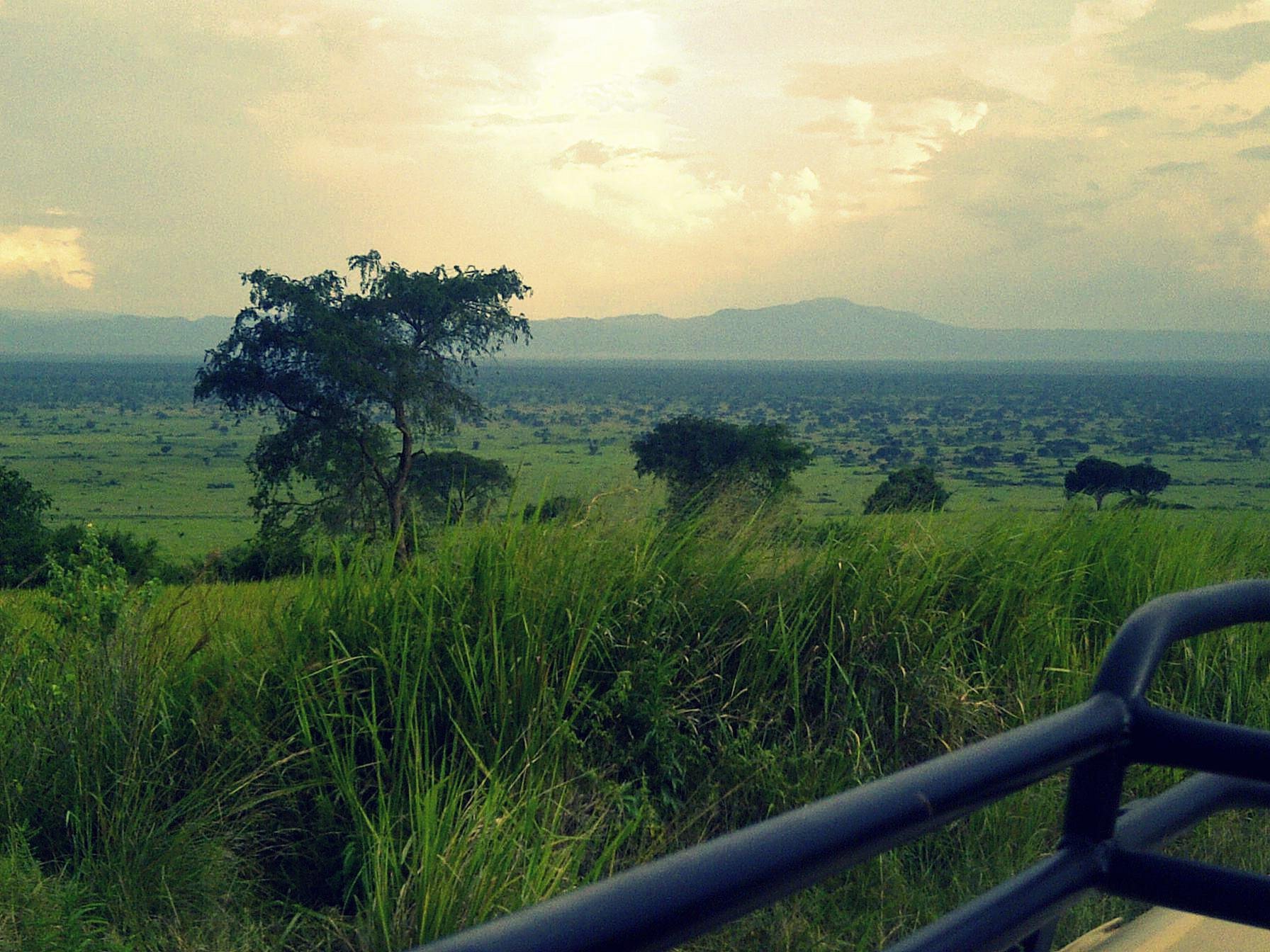
What are the most popular national parks and reserves for game drives in Uganda?
Uganda is well-known for its diverse national parks and reserves, which are excellent for game drives to view wildlife. The most popular one is Queen Elizabeth National Park, located in the western part of Uganda. This park is known for its tree-climbing lions that can be seen lounging in the branches of fig trees in the Ishasha sector. The park also has large herds of elephants, buffaloes, and hippos.
Another popular destination is Murchison Falls National Park, Uganda’s largest and oldest park. It offers stunning landscapes, including the famous Murchison Falls, as well as a wide variety of animals such as giraffes, lions, elephants, and several antelope species. For those interested in culture or exploring waterways, the nearby Nile River makes the experience even richer.
Kidepo Valley National Park, found in the northeastern corner of the country, is a more remote and untouched option. Known for its rugged beauty, it provides opportunities to spot game in expansive savannah plains. Animals like cheetahs, leopards, and ostriches make it a distinctive place.
Lastly, Lake Mburo National Park is smaller but still rich in wildlife. Its compact size makes it easier to observe animals like zebras and impalas. It also offers activities like horseback safaris for a unique perspective on the area.
Each park brings something unique, from dramatic scenery to rare animals, ensuring a variety of wildlife experiences across the country.
What wildlife species can one expect to see during game drives in Uganda?
Uganda’s game drives offer sightings of a range of animals. In Queen Elizabeth National Park, people often spot elephants, lions, and buffaloes, making it part of the “Big Five” safari attractions, even though rhinos are absent in most parks (they are seen in Ziwa Rhino Sanctuary instead). Tree-climbing lions in Ishasha are especially sought-after by wildlife enthusiasts.
In Murchison Falls National Park, giraffes stand tall and majestic, making them an easy highlight for visitors. Other sighted animals include hippos wallowing in rivers, crocodiles resting along the shores, and a great variety of antelope species such as the Ugandan kob.
For bird lovers, Uganda is a haven. Over 1,000 bird species have been identified, including the endangered shoebill stork, which is a major attraction for birdwatchers.
Special animals like cheetahs and ostriches can be seen in Kidepo Valley National Park, while zebra populations dominate Lake Mburo National Park.
During night game drives or evening outings, nocturnal animals like leopards, hyenas, and porcupines occasionally emerge, offering thrilling encounters. The sheer diversity of wildlife seen here comes from Uganda’s mix of forest, grassland, and wetland ecosystems.
What is the best time of year to go on a game drive in Uganda?
In Uganda, the dry seasons are ideal for game drives. These periods occur twice a year: from December to February and from June to September. During these months, rainfall is minimal, and conditions on the ground are favorable for traveling in vehicles. The vegetation tends to be less dense, which makes it easier to spot animals.
These dry periods are particularly good because wildlife congregates around waterholes and rivers, making sightings more predictable. For example, in Murchison Falls National Park, animals frequently come to the Nile to drink, providing prime viewing opportunities. Similarly, in Queen Elizabeth National Park’s Kasenyi plains, predators like lions hunt as prey animals congregate in open spaces.
Although the wet seasons, March to May and October to November, tend to bring heavier rains, some travelers enjoy this period as parks are quieter with fewer visitors. This “off-season” also provides a lush green environment, which birders appreciate, as migratory bird species often appear. Those planning to visit during this time should ensure they have the proper vehicles, as roads can be muddy. Lastly, some lodges may offer discounts during these months, making it a budget-friendly option for flexible travelers.
How do the game drives in Uganda compare to those in other African countries?
Game drives in Uganda have some unique features compared to other African countries like Kenya, Tanzania, or South Africa. While Uganda provides opportunities to see popular African wildlife, it is most famous for combining savannah safaris with lush forests and rare species like mountain gorillas and chimpanzees. This mix offers a rounded experience that is distinct from purely savannah-oriented safaris.
For example, destinations like Queen Elizabeth National Park or Murchison Falls National Park are well-known for traditional game drives that feature animals such as lions, elephants, hippos, and buffaloes. However, Uganda’s highlight species, like gorillas (found in Bwindi Impenetrable Forest) and certain forest-dwelling animals, set it apart. You can enjoy a combination of forest walks, game drives, and river cruises for a broader range of experiences than in most other countries.
While other countries, such as Kenya and Tanzania, are especially famous for hosting massive migrations like the Great Wildebeest Migration, Uganda provides a smaller-scale, less-crowded safari atmosphere. For instance, visiting parks in Uganda feels more private compared to busier parks like Masai Mara or Serengeti, and travelers are less likely to be surrounded by numerous vehicles when observing wildlife.
Another distinctive factor is the emphasis on birdwatching. With over 1,000 bird species, Uganda has a global reputation as a birder’s paradise. Species such as the shoebill stork, which is incredibly rare, attract bird enthusiasts worldwide.
In contrast to South Africa, where many safaris occur in fenced private reserves, Uganda’s game drives typically occur in open, protected national parks. This creates a wilder and more natural environment. However, South African safaris often include more luxurious lodges and easier spotting of animals due to more predictable movements in enclosed areas.
Overall, while Uganda may not have as many “Big Five-focused” parks as some rival destinations, it stands out for its diverse ecosystems, emphasis on rare species, and quieter, more immersive safari experiences.
Are there specific game drives tailored for unique experiences, such as lion tracking or birdwatching?
Yes, Uganda has specific game drives that cater to unique interests like lion tracking and birdwatching. These tailored activities allow travelers to focus on particular aspects of wildlife and nature, making their experience more specialized.
Lion tracking is a standout activity offered in Queen Elizabeth National Park. This experience is part of the Uganda Carnivore Program, which monitors big cats like lions, leopards, and hyenas. Visitors join researchers in tracking lions using radio collars and telemetry equipment. This drive provides a rare opportunity to learn about lion behavior while seeing these incredible animals up close. It’s especially appealing for those who want a deeper understanding rather than just observing lions from a distance.
Birdwatching game drives or safaris are another popular option in many parks. Uganda is home to over 1,000 bird species, with stunning highlights like the African grey parrot, shoebill stork, and great blue turaco. Parks such as Semuliki, Mabamba Swamp, and Kibale Forest are known havens for bird lovers. Guides specializing in ornithology lead these tours, helping visitors spot both common and incredibly rare species.
Specialized night game drives are available in parks like Lake Mburo National Park. These nocturnal drives focus on spotting creatures that are active at night, such as leopards, porcupines, and bush babies. This provides a different perspective, showcasing animals not seen during daytime safaris.
Another unique experience in some areas involves watching animals near water sources. For instance, in Murchison Falls National Park, you can combine a river cruise with a game drive, which allows guests to see animals like hippos, crocodiles, and birds along the banks, in addition to land-based wildlife.
These specialized options appeal to travelers who want a more personal or targeted interaction with Uganda’s nature and wildlife.
What are the top lodges or camps to stay at for easy access to game drives in Uganda?
There are numerous well-regarded lodges and camps located near prime game-viewing areas in Uganda. These lodges provide excellent access to nearby parks and often include guided game drives in their offerings. Here are some of the top options:
- Mweya Safari Lodge (Queen Elizabeth National Park): Situated within the park, this lodge offers stunning views of the Kazinga Channel and the Rwenzori Mountains. It provides easy access to savannah game drives, birdwatching tours, and other park activities. Guests can enjoy luxurious accommodations and other amenities like a pool and fine dining.
- Paraa Safari Lodge (Murchison Falls National Park): Located near the Nile River, this lodge gives visitors quick access to game drives in Murchison Falls, as well as boat cruises on the river. It is also a great base for spotting elephants, giraffes, and other iconic animals. The lodge combines comfort with proximity to key activities.
- Buhoma Lodge (Bwindi Impenetrable Forest National Park): While primarily known for its proximity to gorilla trekking, Buhoma Lodge also provides access to forest walks, birdwatching areas, and cultural experiences. It’s an eco-lodge perfectly positioned for nature lovers.
- Apoka Safari Lodge (Kidepo Valley National Park): This remote lodge gives visitors an exclusive safari feel. Kidepo is one of Uganda’s most isolated parks, known for dramatic landscapes and less tourist traffic. Staying at Apoka makes game drives and wildlife viewing easy and personal.
- Mihingo Lodge (Lake Mburo National Park): This eco-friendly lodge sits atop a hill and overlooks the park. It offers proximity to game drives, horseback safaris, and night drives, making it a versatile base for exploring Lake Mburo.
- Bakiga Lodge (Close to Bwindi Impenetrable Forest): A great option for those visiting Bwindi, this lodge offers affordability alongside access to activities like gorilla trekking and exploration of the surrounding forest areas.
Each lodge typically caters to different budgets, from luxury-tier establishments to more affordable and eco-friendly options. Most packages include meals, guided drives, and optional add-ons, ensuring that guests have comfortable and convenient access to Uganda’s game drives.
How long do typical game drives in Uganda last?
Game drives in Uganda typically last between 2 to 4 hours, depending on the specific park, the wildlife activity, and the preferences of visitors. In most cases, the drives are strategically scheduled for the early morning or late afternoon, as these are the times when animals are more active due to cooler temperatures.
For example, a morning game drive might start as early as 6 a.m., giving you the chance to watch animals like lions, elephants, and buffaloes moving around and feeding. The lighting during this time also offers a great opportunity for photography. Meanwhile, afternoon drives often start around 3 or 4 p.m. and extend into the evening, offering a chance to witness nocturnal animals beginning to stir.
In some cases, there are options for full-day game drives, which span a longer duration of approximately 6 to 8 hours. These are usually packed with more extensive exploration of the park and include breaks for lunch, either at designated picnic sites or lodges within the park. A night game drive, shorter in duration (around 2–3 hours), focuses on spotting nocturnal species like leopards, bush babies, and hyenas. These specialized drives require the use of spotlights to highlight animals in the dark.
The variability in timing ensures you can tailor your game drive experience based on personal schedules or interest. For instance, birdwatchers might opt for longer drives to search for Uganda’s famed bird species, while others might prefer shorter drives focused on iconic mammals.
Are guided game drives available, and what are the qualifications of the guides?
Yes, guided game drives are readily available in Uganda and are often recommended for tourists who want a knowledgeable and stress-free experience. On these guided tours, a professional and licensed safari guide, typically employed by the lodge or national park service, accompanies guests to help them spot wildlife and understand the surrounding environment.
These guides are trained in wildlife behavior, ecology, and safety protocols, ensuring visitors stay informed and safe throughout the trip. Most have worked extensively in the field and have participated in certification programs by Uganda Wildlife Authority (UWA) or similar organizations. They also possess good communication skills and are capable of answering questions about the park, the animals, and even local culture. For example, a guide might explain the hunting method of a lion or describe the distinct calls of a particular bird species.
Another key qualification for guides is excellent tracking knowledge. For instance, they can identify fresh tracks or droppings that lead to where a herd of elephants or a lion pride is hiding. Many guides are also fluent in English, and some may even speak other languages, making them accessible to international tourists.
One advantage of guided drives is that guides use their expertise and connections with other local guides to increase your chances of encountering rare animal species. Through two-way radios or shared networks, they inform each other of recent sightings.
Guided drives save visitors the challenge of navigating new terrain and understanding rules on their own. Guides also ensure that tourists adhere to safety guidelines and respect wildlife habitats.
Can travelers go on self-drive safaris, and what are the requirements for doing so?
Yes, travelers can go on self-drive safaris in Uganda, and this option appeals to many who prefer flexibility and freedom during their exploration. A self-drive safari allows you to explore the national parks at your own pace, stopping as and when you wish. It is a popular choice for adventurous tourists or families.
To undertake a self-drive safari, travelers must comply with several requirements:
- Valid Driver’s License: You need a valid driver’s license from your home country. Having an international driver’s permit may also be a good idea to avoid complications.
- Four-Wheel Drive (4WD) Vehicle: Given that many game drive roads can be rugged, especially during the rainy season, a 4WD vehicle is mandatory. These vehicles are sturdy and better equipped to handle off-road conditions.
- Park Entry Permits: You must purchase entry permits for Uganda’s national parks at designated gates or online through the Uganda Wildlife Authority. Depending on the park, there may also be additional fees for vehicles.
- Safari Map and Understanding Navigation: It’s crucial to have a park map or GPS to find your way through the often-unmarked game routes. In some cases, certain roads may be temporarily closed due to conservation activities or bad weather.
- Fuel and Supplies: Always ensure that your fuel tank is full before entering the park, as fuel stations are typically unavailable inside. Carry enough food, water, snacks, and basic tools, such as a tire repair kit, to handle emergencies.
Though self-drive safaris provide freedom, they require visitors to be cautious and adhere to park rules. For instance, you need to keep within a safe distance from animals and remain inside your vehicle at all times, unless in designated areas. Self-driving may also limit your ability to easily find wildlife if you are not experienced in tracking animal movements.
Some visitors opt for a hybrid approach by hiring a local guide to accompany them on their self-drive safari, providing a mix of independence with expert insight.
What is the cost of a typical game drive in Uganda, and what is included in the price?
The cost of a game drive in Uganda differs depending on the location, the type of tour, and the level of service. On average, game drives in Uganda range between $25 to $70 per person for park entry and guided drives. However, prices can rise significantly when offered through private companies or luxury tour operators, reaching $150 to $500 per person, especially if combined with high-end vehicles and personalized guides.
Typically, the cost includes several things to make the experience enjoyable:
- Park entry fees: All visitors need to pay a fee for entering Uganda’s national parks. These fees vary from park to park, but for foreign non-residents, the cost is usually around $40 per adult per day. For East African residents, it’s much lower.
- Transport within the park: Most game drives involve a special 4×4 safari vehicle, which is designed for rugged terrains and wildlife viewing. Often, this vehicle has a pop-up roof to provide a better view of the animals.
- A guide or driver: Many game drives are led by experienced guides who know the parks well and can share educational insights about the environment and animals.
Some packages may also include extras like snacks, water, or fuel costs. For example, a luxury game drive may come with drinks, binoculars for better animal viewing, and even a stop at a scenic spot for a picnic.
If you plan to go for a self-drive safari, you may only need to budget for the park fees and the cost of the rented vehicle. Renting a 4×4 vehicle typically starts at $100 per day, excluding fuel.
It’s important to confirm what is included in your chosen package, as some cheaper options might only offer a guide and vehicle without covering park entry fees or food options.
What are the main safety precautions to consider during game drives in Uganda?
When going on a game drive in Uganda, safety precautions are essential for ensuring a smooth and worry-free experience. The wilderness holds incredible wildlife, but it is also unpredictable. Here are some important points to keep in mind:
- Stay inside the vehicle: Even though some animals may appear calm, they can be dangerous when provoked. Getting out of the car is strictly prohibited in most national parks and can put your safety at risk.
- Keep noise levels low: Loud noises can scare animals or provoke aggressive reactions. Drivers and guides often communicate using quiet signals to avoid disturbing wildlife during the drive.
- Avoid sudden movements or gestures: These can agitate animals, especially larger ones like elephants or lions. Always follow the instructions of your guide to minimize risks.
- Do not feed wildlife: Giving animals food not only disrupts their natural diet but also encourages unhealthy dependence on humans. This can lead to dangerous encounters.
- Stay with your group: If your game drive involves walking portions (which sometimes accompany birdwatching), make sure to stick together and never wander off. Always follow the path designated by your guide.
- Wear neutral-colored clothing: Bright colors can attract attention from insects or animals. Colors like beige, green, and brown help blend with the surroundings.
- Protect yourself from insects: Uganda’s climate means there’s a chance of encountering mosquitoes or other bugs. Use repellents and wear long sleeves to minimize bites.
- Be cautious with cameras: While photography is encouraged, avoid using a flash since it could scare or irritate animals.
Guides are trained to monitor both the behavior of the animals and the guests, so travelers should adhere to their instructions. For example, if a guide asks you to stay still around an elephant herd, it’s best to follow their advice. Ignoring safety protocols can lead to abrupt situations that impact not just your safety, but the wellbeing of the animals, too.
Are there restrictions or rules to be aware of when participating in a game drive in Uganda?
Game drives in Uganda follow specific rules meant to protect both visitors and wildlife. These rules ensure safe and respectful ways of interacting with the environment. Here are the most important ones:
- Follow speed limits: In national parks, the maximum speed is usually 25-40 kilometers per hour (15-25 mph). This allows drivers to spot animals safely while minimizing dust and disturbance.
- Do not stray off marked trails: Vehicles need to stay on established tracks to avoid harming plant life or disrupting animal habitats. Off-road driving is not permitted in most cases to conserve the environment.
- Observe quiet hours: Many parks restrict game drives to daylight hours between 6:30 a.m. and 6:30 p.m. Nighttime game drives may only be allowed under supervision and with special permits.
- Limit viewing distances: If you’re close to animals, a minimum distance of about 5–10 meters is recommended, particularly for large species like elephants or lions. Getting too close can disturb them or pose risks.
- Do not litter: Leaving trash behind not only spoils the park’s beauty but can also harm the animals. Always keep a waste bag with you.
- Smoking and alcohol are prohibited: Smoking is generally forbidden in parks as it poses fire hazards. Alcohol consumption during drives is discouraged for safety and to maintain alertness.
- Drone use is banned: Drones are prohibited in most Ugandan parks unless special permits are acquired. They can disturb wildlife and interfere with the natural peace of the area.
- Check age restrictions: Some game drives, especially ones targeting specific activities (e.g., gorilla trekking), may not allow children below a certain age for safety reasons.
These restrictions make game drives respectful and secure while maintaining the environment for future visitors. For instance, a vehicle that sticks to trails causes less harm to the landscape compared to one that drives across sensitive grasslands. Following these rules ensures that both the park and its wildlife remain unharmed.
How to Book Your Safari in Uganda
Now that you know what game drives in Uganda offer, where to find them, and why they’re such a must-try for nature lovers, it’s time to plan your adventure! To experience the best wildlife and scenic drives in Uganda’s breathtaking parks, reach out to one of the trusted Uganda Safari Companies. They’ll help tailor an unforgettable safari experience just for you. Don’t wait, start planning your journey today!