Visit Kasenyi Plains
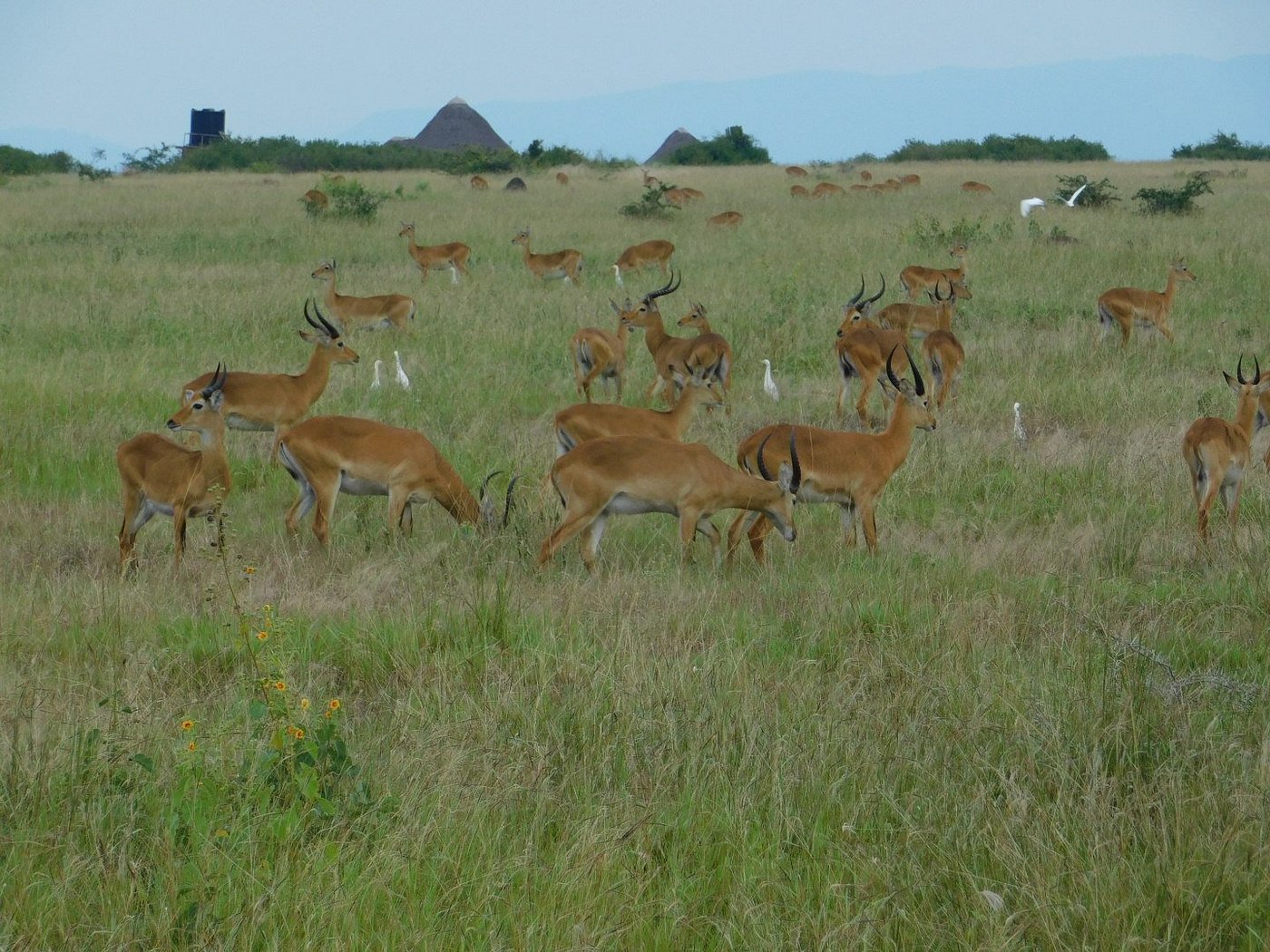
Visit Kasenyi Plains, located within Queen Elizabeth National Park in western Uganda, for exceptional wildlife viewing opportunities. The plains are renowned for their abundance of Uganda kobs, lions, and other predators, making it a prime destination for those seeking thrilling Uganda safaris. Visitors can also enjoy bird-watching, as the area hosts a diverse array of bird species. Guided game drives through the Kasenyi Plains offer a chance to witness wildlife in their natural habitat, especially during the early morning or evening hours. As part of one of the most visited national parks in the country, this area highlights the beauty of visit Uganda experiences, offering both adventure and incredible landscapes.
Where are the Kasenyi Plains located?
The Kasenyi Plains are situated within the Queen Elizabeth National Park, one of Uganda’s most well-known wildlife reserves. This park is located in the western part of Uganda, a country in East Africa. Specifically, the plains are found near Lake George, which is part of a larger water system that connects to the Kazinga Channel.
The area is characterized by open savannah grasslands and flat terrain, making it an ideal habitat for wildlife and an attractive spot for visitors. The location is accessible from major towns and cities in Uganda, with the nearest city being Kasese. For reference, the national park itself is around a six-hour drive from Uganda’s capital city, Kampala.
If you imagine a flat, grassy expanse with scattered acacia trees under a vast blue sky, that’s a representation of what the Kasenyi Plains look like. The region also serves as an area for local communities’ cattle grazing, adding to its mixed use.
What makes the Kasenyi Plains a popular destination to visit?
The Kasenyi Plains draw visitors for several reasons. First and foremost, the incredible biodiversity is one of the main features. The area provides a great opportunity to see wild animals like lions and antelopes up close. Many visitors come here specifically for wildlife safaris, thanks to the predictable movement of animals in the region.
The plains are also a known lion-hunting ground, meaning you’re likely to catch lions in action stalking their prey, which is a fascinating sight. Photographers and wildlife enthusiasts find this especially appealing.
In addition to the wildlife, the open grasslands and savannah landscapes are beautiful and provide spectacular views of sunrises and sunsets. The quiet and natural surroundings make it a great escape for those seeking a peaceful connection with nature.
Tourists often enjoy learning about how local people coexist with wildlife. The nearby communities engage in grazing cattle, and this relationship gives unique insights into the balance of conservation and human activity.
What kind of wildlife can be seen in the Kasenyi Plains?
The wildlife in the Kasenyi Plains is diverse, offering visitors the chance to see a wide range of animals. The plains are well-known for large herds of Ugandan kob, a type of antelope native to this region. These animals are often prey for predators like lions, so you might spot lions hunting in the grasslands.
Other common sightings include elephants, which frequently roam the plains in search of food. Buffalo are another prominent feature, often seen grazing in herds. Additionally, animals like warthogs, hyenas, and baboons can also be spotted.
For bird lovers, the region is a hotspot with many species, including crowned cranes and various raptors. The Kazinga Channel nearby supports aquatic life, so animals like hippos and crocodiles are also part of the broader wildlife scene surrounding the Kasenyi Plains.
This mix of predators, herbivores, and birds makes the area especially appealing for safaris, giving visitors a well-rounded view of Uganda’s natural wealth.
What activities can tourists engage in while visiting the Kasenyi Plains?
In the Kasenyi Plains, tourists can participate in various activities connected to nature and wildlife observation. The most popular activity is wildlife safaris, where visitors can explore the plains in a vehicle and have the chance to observe animals in their natural habitat. This is especially exciting in the morning or late afternoon when many animals, such as lions, antelopes, and elephants, are more active. Guides often lead these safaris and provide detailed information about the animals and their behaviors.
Another activity available is birdwatching. The Kasenyi Plains are home to a wide array of bird species, such as African fish eagles and ibis. This is a great option for those who enjoy quieter and more focused experiences in nature.
Photography enthusiasts will also find the region appealing since there are opportunities to capture both landscape and wildlife shots. Tourists can also visit nearby crater lakes, adding more diversity to their activities. The scenery around these lakes is usually breathtaking, and sometimes, people combine this with picnicking or leisurely walks.
If the area includes cultural elements or communities, some tours may offer experiences where visitors can learn about local traditions or interact with residents living near or around the plains.
What is the best time of year to visit the Kasenyi Plains?
The dry seasons are the most suitable time to visit the Kasenyi Plains. Typically, these occur between June to September and December to February. These periods are ideal because there is less rainfall, making it easier for visitors to access the area. Roads and pathways remain more manageable, ensuring a smooth safari experience.
During the dry season, vegetation is less dense, improving visibility for spotting wildlife. Animals are also more predictable because they gather around specific water sources, which stay active even in drier conditions. This increases the likelihood of seeing species like lions, buffaloes, and herds of antelope.
By contrast, visiting during the rainy season (March to May or October to November) can present some challenges. Roads might become muddy or impassable, and it may be harder to see some animals due to the thick vegetation thriving in the wet months. While rainfall reduces visitor numbers and might create a more private experience, it requires more preparation.
In summary, visiting between June and September or December and February offers the most convenience, better chances to view wildlife, and easier navigation across the plains.
Are guided tours available in the Kasenyi Plains?
Yes, guided tours are commonly available for exploring the Kasenyi Plains. These tours are often led by experienced guides with extensive knowledge of the area, its wildlife, and its ecosystems. Opting for a guided tour is highly recommended for a safer and more informative visit.
Guides can assist in spotting animals that might otherwise go unnoticed. For example, while you might easily spot elephant herds, finding predators like lions or leopards can be trickier without an experienced guide’s help. They are trained to observe tracks, sounds, and movement that point to the presence of these carnivores.
In addition to wildlife, guides usually educate visitors about the plants, birds, and even the geology of the plains. They can make the experience much more enriching by answering questions and providing background on the behaviors and interactions of the creatures seen during the tour.
Guided tours are often arranged through local tour operators, lodges, or national park services. Most tours are done in open-roof vehicles specifically designed for game drives, offering good comfort and visibility. For adventurous travelers, walking safaris with a guide might be available in safe areas, allowing for a closer look at the flora and smaller animals.
In summary, guided tours in the Kasenyi Plains enhance the overall experience by providing expertise, improving safety, and increasing the chances of having meaningful wildlife encounters.
What type of accommodation is available near the Kasenyi Plains?
There are several accommodation options available near the Kasenyi Plains, making it easier for visitors to stay close to the area. These accommodations cater to a variety of budgets and preferences, ranging from luxury lodges to mid-range lodges and budget-friendly campsites.
For travelers seeking a high-end experience, luxury safari lodges are often located close to the Kasenyi Plains. These lodges may offer modern comforts such as spacious rooms, en-suite bathrooms, gourmet dining, full-service bars, and sometimes swimming pools. Guests in such places can also enjoy stunning views of the surrounding landscape and wildlife.
For those traveling on a mid-range budget, moderately priced lodges and accommodations are available. These options provide clean and comfortable living spaces, local-style meals, and often basic but pleasant amenities. While simpler than luxury options, these lodges still allow guests to relax comfortably after a day of wildlife viewing.
For budget-conscious visitors, camping facilities are a practical choice. Campsites near the Kasenyi Plains might include basic tents and shared facilities like bathrooms and cooking areas. Some campsites are established near local communities, allowing tourists to enjoy an affordable and closer-to-nature experience.
As the Kasenyi Plains are within Queen Elizabeth National Park in Uganda, it’s important to note that many accommodations support the park’s conservation efforts. Some lodges even incorporate eco-friendly practices, appealing to tourists interested in sustainability.
Whatever the budget or style, travelers are encouraged to book early, especially during peak seasons, when accommodations fill up quickly.
How can one access the Kasenyi Plains (transportation options)?
The Kasenyi Plains, part of Queen Elizabeth National Park in Uganda, can be accessed via several transportation methods. Whether you’re arriving from within Uganda or abroad, reaching the plains is straightforward with some planning.
By air, the fastest way to get close is by taking a domestic flight to one of the nearby airstrips. The Kasese Airstrip is the most commonly used for travelers visiting Queen Elizabeth National Park and the Kasenyi Plains. Charter flights can be arranged from Entebbe International Airport or other regional airports in Uganda. Upon landing at the airstrip, a short drive by car or safari vehicle will take you to the plains.
By road, accessing the Kasenyi Plains involves driving through some scenic parts of Uganda. From the capital city, Kampala, it’s about a 6–7 hour drive to Queen Elizabeth National Park. Visitors can opt to hire a private vehicle with a guide, or use public transport like buses to nearby towns like Kasese, from which smaller vehicles or safari operators can be arranged for the final leg of the trip. The journey by road is a great way to enjoy the Ugandan countryside.
For those already in Queen Elizabeth National Park, the Kasenyi Plains can be reached in a safari vehicle. Roads within the park are generally well-maintained but may require a four-wheel-drive vehicle during the rainy season for easier maneuverability.
Local tour operators and guides often provide transportation as part of their safaris. This option is helpful for international tourists who may not be familiar with the area.
What unique cultural or historical significance do the Kasenyi Plains have?
The Kasenyi Plains hold significant cultural and historical value connected to the traditional communities that have lived in and around Queen Elizabeth National Park for centuries. One notable part of their history lies in the fishing communities, as the plains border Lake George. Fishing has been a key livelihood for the locals, and visiting the fishing villages nearby gives tourists a glimpse into the traditions and daily life of the people.
From a historical perspective, the Kasenyi Plains were also once used for community gatherings and rituals, especially during the time of local kingdoms in the area. Kasenyi village, in particular, holds significance to the region’s Batoro tribe, one of the ethnic groups in Uganda. Their customs, including traditional dances and ceremonies, provide insights into their vibrant culture.
Another cultural aspect of the Kasenyi Plains is the human-wildlife relationship. Communities near the Kasenyi Plains have developed ways to coexist with the animals, including creating innovative solutions to reduce wildlife conflicts. Learning about these methods can provide a deeper understanding of how local populations and conservation efforts work together.
Visitors to the area may also hear stories about the region’s past, such as its connection to ancient trade routes. Because of its location, it has historically been a critical spot for trade and travel.
In summary, the Kasenyi Plains are not just known for their animals but also for the rich cultural history of the people who live nearby. Participating in a cultural experience or interacting with locals can add depth to your visit.
Are there any restrictions or guidelines for visitors in the Kasenyi Plains?
When visiting the Kasenyi Plains, there are specific restrictions and guidelines to ensure safety and preserve the environment. These rules help protect the wildlife, natural habitats, and cultural heritage of the area.
One vital guideline is to stay on designated paths and trails during tours or activities like wildlife safaris. Wandering off-track can disturb animals, damage vegetation, and put visitors at risk, as the plains are home to predators like lions.
Visitors are also often required to have a local guide or ranger while exploring the plains, especially in areas with high concentrations of wildlife. Guides help ensure safety and provide useful information about the animals and environment.
No littering regulations are strictly enforced. Trash can harm animals if they ingest it and pollute the pristine landscapes. Visitors are often encouraged to carry reusable items to minimize waste.
It is typically prohibited to feed or approach wildlife. Feeding animals might change their behavior or make them reliant on humans, creating dangerous situations.
Noise levels should be kept low to avoid stressing animals or disturbing fellow visitors. Tourists should also avoid sudden movements near wildlife.
Tourists are discouraged from collecting souvenirs like rocks, plants, or other natural items, as this can disrupt the ecosystem.
In general, visitors should wear appropriate clothing that blends into the environment, as bright colors may distract or alarm animals.
Finally, respecting the cultural norms of any nearby communities is essential. Seek permission before taking photos of locals or visiting sacred sites.
By following these guidelines, tourists contribute to sustainable tourism and their own safety while exploring the Kasenyi Plains.
What should one pack or bring when visiting the Kasenyi Plains?
When traveling to the Kasenyi Plains, preparation is key to having an enjoyable and safe experience. Packing should take into account the climate, the activities planned, and the potential presence of wildlife.
A good pair of binoculars is essential for wildlife viewing. Many animals may be farther away, and binoculars allow visitors to observe them in detail without getting too close.
Comfortable clothing in neutral or earth tones, such as khaki or olive green, is recommended. These colors blend naturally with the environment and cause less disturbance to animals. Layers are helpful, as early mornings and evenings can be cool, while the afternoons may be quite warm.
Sturdy, closed-toe shoes are a must for walking or hiking. They provide protection from rough terrain or any unexpected encounters with insects.
Visitors should also bring sun protection items, such as sunscreen, a hat, and sunglasses. The open plains can get very sunny, so these items help to avoid sunburn or heat exhaustion.
Insect repellent is necessary due to mosquitoes and other insects commonly found in the destination. Travelers may also consider taking anti-malarial medication if recommended by their doctor.
A reusable water bottle is critical for staying hydrated during the trip. Access to clean water may be limited, so having a bottle ensures you can carry enough water.
A camera or smartphone is great for capturing scenic views and animal sightings, but bring extra batteries or power banks since charging options might not be readily available.
Finally, important documents like park permits or identification, and a basic first-aid kit, are helpful in case of minor injuries.
Packing the right items ensures comfort and readiness when exploring the beauty of the Kasenyi Plains.
How long should visitors plan to stay in the Kasenyi Plains to fully experience the area?
To fully appreciate the Kasenyi Plains, visitors should plan to stay for around two to three days. This time frame allows enough opportunities to enjoy the area’s wildlife and activities without feeling rushed.
On the first day, visitors often engage in a game drive, an activity that involves driving through the plains to observe animals like lions, elephants, and antelopes. The early mornings and late afternoons are the ideal times for game drives, as animals are most active during these cooler hours.
The second day can be spent on more focused activities, such as a guided nature walk. These walks offer a closer look at the landscape’s smaller details, plants, tracks, and insects, that can be missed during a vehicle safari.
A visit to nearby Lake George or local fishing villages is another excellent activity to include, providing insight into the lives of communities around the plains.
Visitors who want a slower pace or extra exploration might choose to extend their stay to three or more days. This would allow time to appreciate the scenery more deeply, enjoy multiple tours, or partake in photography sessions at different times of day.
In contrast, for those with limited time, a single full day is enough for a basic introduction, but visitors may feel rushed and miss out on lesser-seen aspects of the area.
Planning for a multi-day visit ensures a more relaxed and fulfilling experience, giving visitors the chance to truly engage with and learn from the Kasenyi Plains.
How To Book Your Safari in Uganda
Curious about what makes the Kasenyi Plains such a special destination, how to explore this wildlife haven, or why it’s perfect for spotting lions and antelopes? Now that you know, it’s time to start planning your adventure! Booking your safari is easy, just reach out to one of the trusted Uganda Safari Companies. They’ll handle everything, ensuring you enjoy an unforgettable experience in the heart of Uganda’s breathtaking wilderness.