Things To Do in Queen Elizabeth National Park
Queen Elizabeth National Park offers more activities than any other park in Uganda. From dawn game drives across open savannas to sunset boat cruises, from tracking chimpanzees in underground gorges to watching lions sleep in fig trees — there is something extraordinary for every type of traveller. Here is a comprehensive guide to everything you can do in the park.
Game Drives
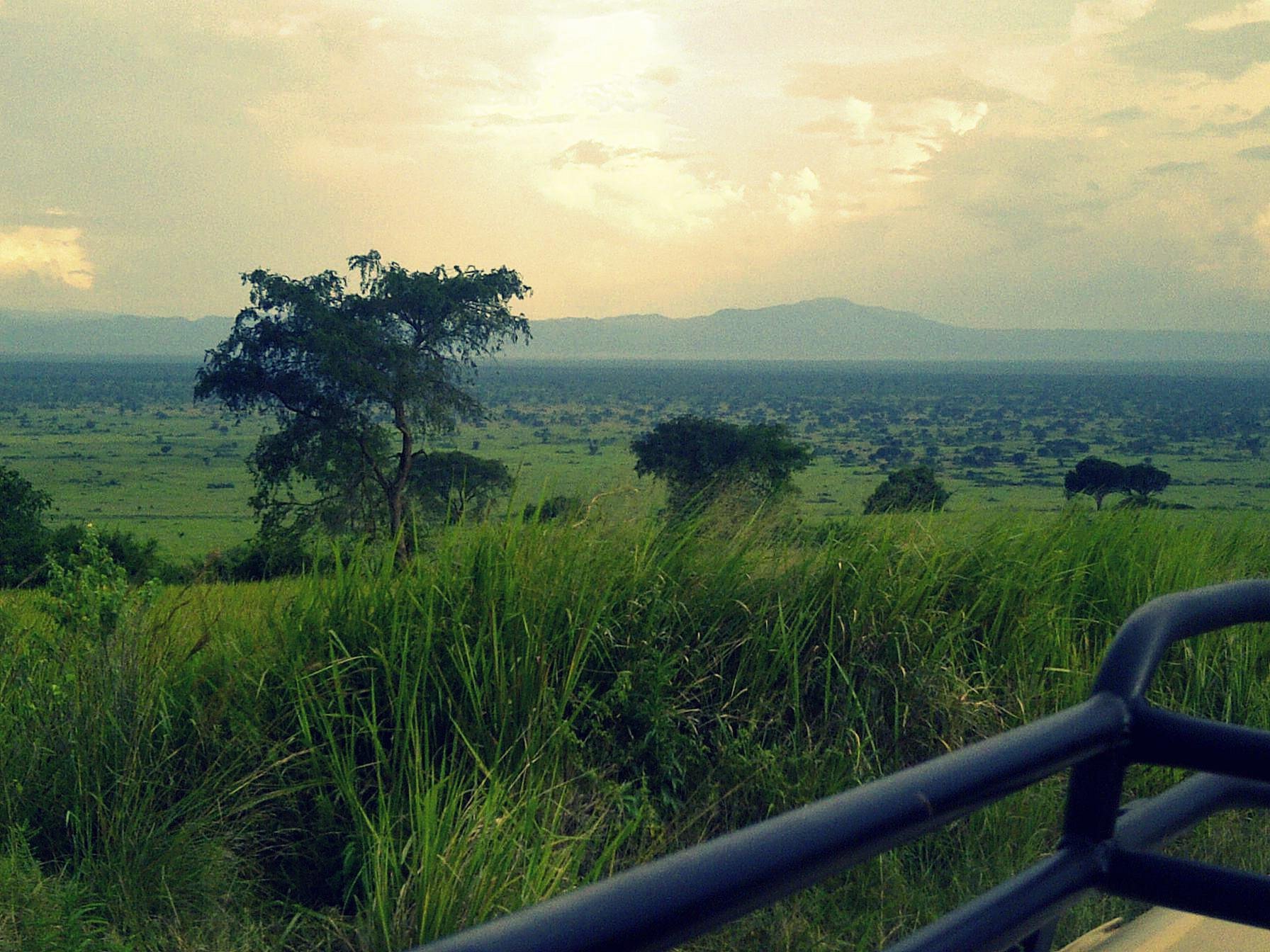
The classic safari activity. Queen Elizabeth offers some of the finest game driving in East Africa, particularly on the Kasenyi Plains where lions, elephants, buffaloes, leopards, and large herds of Uganda Kob roam open grasslands. Morning and late afternoon drives are most rewarding. The park also offers some of Uganda’s best game drive circuits. Read the full game drives in Queen Elizabeth guide.
Kazinga Channel Boat Cruise
A two-hour cruise along the 40-kilometre Kazinga Channel is the park’s most iconic experience. You’ll glide past hippo pods, basking crocodiles, elephants drinking at the shore, and hundreds of water birds — all from remarkably close range. Cruises depart from Mweya at scheduled times daily. See the launch cruise guide and learn more about the Kazinga Channel boat safari.
Chimpanzee Tracking in Kyambura Gorge
Descend into the spectacular “Valley of the Apes” — a 100-metre-deep forested gorge carved into the savanna — to track wild chimpanzees through dense jungle. The experience is intimate and thrilling, limited to small groups with a trained ranger. For those wanting more options, Kalinzu Forest nearby also offers chimp tracking. Full details at the chimpanzee trekking guide.
Tree-Climbing Lion Viewing in Ishasha
One of Africa’s rarest wildlife spectacles — lions that regularly climb and lounge in the branches of giant fig trees in the Ishasha sector. Patient searching with a guide usually rewards visitors with sightings of entire prides draped across branches. This is a highlight that draws visitors from around the world. Learn more about tree-climbing lions in Uganda and the Ishasha Sector.
Lion Tracking with Researchers
Join Uganda Carnivore Program rangers using radio-collar telemetry to locate and observe lion prides in real time. This behind-the-scenes experience gives you a deeper understanding of lion behaviour and conservation challenges. Read about lion tracking in Queen Elizabeth.
Bird Watching
With over 600 confirmed species, Queen Elizabeth ranks as the 6th most bird-diverse location on Earth. Star sightings include the African Skimmer, Shoebill Stork, African Fish Eagle, and Papyrus Canary. Key birding areas include the Kazinga Channel shores, Katunguru Bridge, Maramagambo Forest, and the crater lakes. See the full birding in Queen Elizabeth guide and our bird watching overview.
Nature Walks in Maramagambo Forest
Guided forest walks take you deep into one of Uganda’s largest mid-altitude rainforests. Highlights include the famous bat cave (where pythons hunt fruit bats overhead), crater lakes hidden within the forest, and sightings of primates and rare forest birds. Read about nature walks in Queen Elizabeth and the bat cave exploration.
Night Game Drives
After dark, the park transforms. Equipped with spotlights, you can encounter leopards, civets, bush babies, porcupines, serval cats, and other nocturnal predators that are invisible during the day. Night drives operate from Kasenyi and Mweya sectors. Combine this with a sundowner experience for the perfect evening.
Mongoose Tracking
A hidden gem — join researchers on the Mweya Peninsula to track habituated groups of banded mongooses, observing their complex social behaviour and foraging routines at close range. It’s one of the few places in Africa offering this experience. See the mongoose tracking guide and the mongoose research project.
Hot Air Balloon Safari
Drift silently over the savanna at dawn, watching elephants, buffaloes, and antelopes from above as the sun rises over the crater lakes. Balloon safaris are followed by a bush breakfast in the wilderness. This is Queen Elizabeth’s most exclusive activity. Read the hot air balloon safari guide.
Hiking Crater Rims
The volcanic explosion craters that dot the landscape offer excellent hiking routes with panoramic views. Guided crater rim walks reward you with views of coloured lakes, rolling green hills, and the Rwenzori Mountains in the distance. See the crater rim hiking guide and the explosion craters tour.
Camping in the Wilderness
For those who want the full bush experience, designated campsites within the park let you fall asleep to the sounds of hippos grunting and hyenas calling. Both basic and equipped camping options are available. See the camping in Queen Elizabeth guide.
Cultural Community Visits
Meet the Basongora, Bakiga, and Bafumbira communities bordering the park. Traditional dance, craft-making, cooking demonstrations, and storytelling sessions offer authentic insight into life alongside wildlife. Learn about cultural experiences near the park and traditional performances.
Wildlife Photography Safaris
The diversity of landscapes and wildlife makes Queen Elizabeth a photographer’s paradise. Specialist photography safaris offer modified vehicles, extended game drives, and expert positioning for the best shots. See the photo safari guide and wildlife photography tips.
Scenic Drives Along Mweya Peninsula
Even without specific game-viewing goals, driving the Mweya Peninsula loop is rewarding. The road winds through savanna, along cliff edges with views over the Kazinga Channel, and past grazing elephants and warthogs. Read the scenic drives guide.
Canoeing and Water Activities
Canoe excursions near the crater lakes offer a peaceful way to explore the park’s volcanic landscape from the water. It’s a quieter alternative to the motorised boat cruise and particularly rewarding for birdwatchers. See the canoeing guide.
Guided Reptile Spotting
Ranger-led walks and drives can be tailored to focus on the park’s reptile diversity — monitor lizards, Nile crocodiles, rock pythons, and dozens of snake species. It’s an underrated activity for nature enthusiasts. Read about guided reptile spotting.
Visiting the Equator at Kikorongo
The park straddles the equator, and the monument at Kikorongo is a popular photo stop. Nearby craft markets sell handmade souvenirs. See the Equator monument guide.
Volunteer and Conservation Experiences
Several community-based projects near the park offer opportunities to volunteer — supporting conservation research, community education, or sustainable tourism initiatives. It’s a meaningful way to give back while visiting. Learn about volunteer and conservation experiences.
Planning Your Visit
The dry seasons (June–September and December–February) are best for game viewing, while the wet seasons are prime for birding. The park is 420 km from Kampala or a short domestic flight away. Browse accommodation options, check the best time to visit, and find a safari company to book your trip.