Luxury Safari in Queen Elizabeth National Park
A luxury safari in Queen Elizabeth National Park offers a premium wildlife experience in one of Uganda’s most renowned parks. Visitors can enjoy game drives to spot elephants, lions, and leopards, as well as boat cruises on the Kazinga Channel for close-up views of hippos and crocodiles. Queen Elizabeth National Park also features scenic crater lakes and the chance to see chimpanzees in Kyambura Gorge. Exclusive lodges such as Mweya Safari Lodge and Kyambura Gorge Lodge provide high-end accommodations and personalized service for travelers. A key highlight of Uganda safaris, this destination is ideal for those seeking incredible wildlife and natural beauty. Visit Uganda to experience the unique combination of luxury and adventure in this iconic park.
What makes Queen Elizabeth National Park a unique destination for a luxury safari?
Queen Elizabeth National Park in Uganda stands out primarily due to its incredible biodiversity and geographic variety. It’s one of the largest and most visited parks in Uganda, covering over 1,978 square kilometers, offering a vast range of experiences for visitors. The park includes savannahs, lakes, swamps, dense forests, and rolling hills, which support a broad range of ecosystems and wildlife. This means you’ll see animals in different settings, from open plains to dense forests.
The park is home to over 95 species of mammals and more than 600 bird species, making it a haven for wildlife enthusiasts. For example, you can spot tree-climbing lions in the Ishasha sector, a rare behavior not commonly seen in lions elsewhere. You’ll also have a chance to see elephants, hippos, buffaloes, leopards, and various antelope species on game drives.
Queen Elizabeth National Park lies near the Equator, offering spectacular warm temperatures throughout the year, as well as a backdrop of the Rwenzori Mountains. In addition, visitors can enjoy scenic views of the Kazinga Channel, which connects Lakes Edward and George. The channel is known for its high concentration of hippos.
The option of luxury safari accommodations, personalized game drives, and exclusive experiences like boat safaris on the Kazinga Channel also make this park stand out. Combining diverse landscapes, fascinating wildlife, and high-end comforts truly makes it a unique destination for a safari.
What is the best time of year to visit Queen Elizabeth National Park for a safari?
The best time to visit Queen Elizabeth National Park is during the “dry seasons,” which run from June to September and December to February. During these periods, the park experiences less rainfall, meaning the roads and trails are easier to navigate. Wildlife tends to gather around waterholes and rivers, making it simpler to spot animals during game drives.
In the wet season (March to May and October to November), the park sees heavier rains, which can make some areas harder to access due to muddy roads. However, this season has its perks, the park is lush and green, which makes bird watching particularly rewarding. Many migratory birds arrive during this time, adding to the diversity of species you can spot.
If you’re planning a luxury safari, the dry season is more practical because activities like game drives, boat cruises, and even chimpanzee tracking are more reliable. For example, lions, elephants, and buffalo are often easier to observe out in the open when vegetation isn’t as dense during the dry months.
That said, the park is open year-round, and having professional guides during the wet season can still provide amazing experiences, as they know the areas with the best chances for sightings. Your choice might also depend on whether you’re interested in birdwatching (better in the wet season) or prefer classic big-game sightings (better in the dry season).
What types of accommodations are available for a luxury safari experience in the park?
Queen Elizabeth National Park offers a range of accommodations that cater to luxury safari experiences. These include high-end lodges, tented camps, and eco-lodges, each providing different levels of comfort and exclusivity while still being close to the wildlife and landscapes of the park.
Many luxury lodges are strategically located to offer uninterrupted views of the park or nearby water bodies, like the Kazinga Channel or Lake Edward. For instance, Mweya Safari Lodge offers premium rooms and suites with balconies overlooking the Kazinga Channel and Lake Edward, while also featuring amenities like swimming pools and spa services.
Ishasha Wilderness Camp, on the other hand, caters to guests looking for a semi-remote experience. Here, visitors stay in large, luxury tented rooms equipped with private bathrooms but still enjoy the feeling of being close to nature. Food and hospitality here tend to meet very high standards for discerning travelers.
For eco-conscious travelers, Kyambura Gorge Lodge combines luxury with sustainability. Perched near the gorge, it offers stunning panoramic views of the park and is well-known for activities like chimpanzee tracking. Guests here can expect high-quality facilities and gourmet dining.
Luxury accommodations in the park usually offer tailored experiences, such as private game drives, guided bush walks, exclusive sundowners, and gourmet meals. Many of these lodges also incorporate cultural elements, like performances from nearby communities or dishes inspired by local Ugandan cuisine. You’ll have everything you need for a comfortable and memorable stay, all while being immersed in stunning natural surroundings.
What wildlife species can be spotted during a safari in Queen Elizabeth National Park?
Queen Elizabeth National Park is home to a wide variety of wildlife species, making it a fantastic location for observing animals in their natural habitat. Visitors have the chance to see over 95 types of mammals and over 600 bird species, making it a hotspot for nature enthusiasts.
One of the most notable animals in the park is the tree-climbing lions found in the southern sector, specifically in the Ishasha area. Unlike most lions that stay on the ground, these lions are often seen lounging on tree branches, offering a unique sight. Another highlight is the African elephant, one of the largest land mammals. Visitors can often see these magnificent animals walking through open plains or near water sources like the Kazinga Channel. Buffaloes are also widespread throughout the park and are usually seen grazing in large herds.
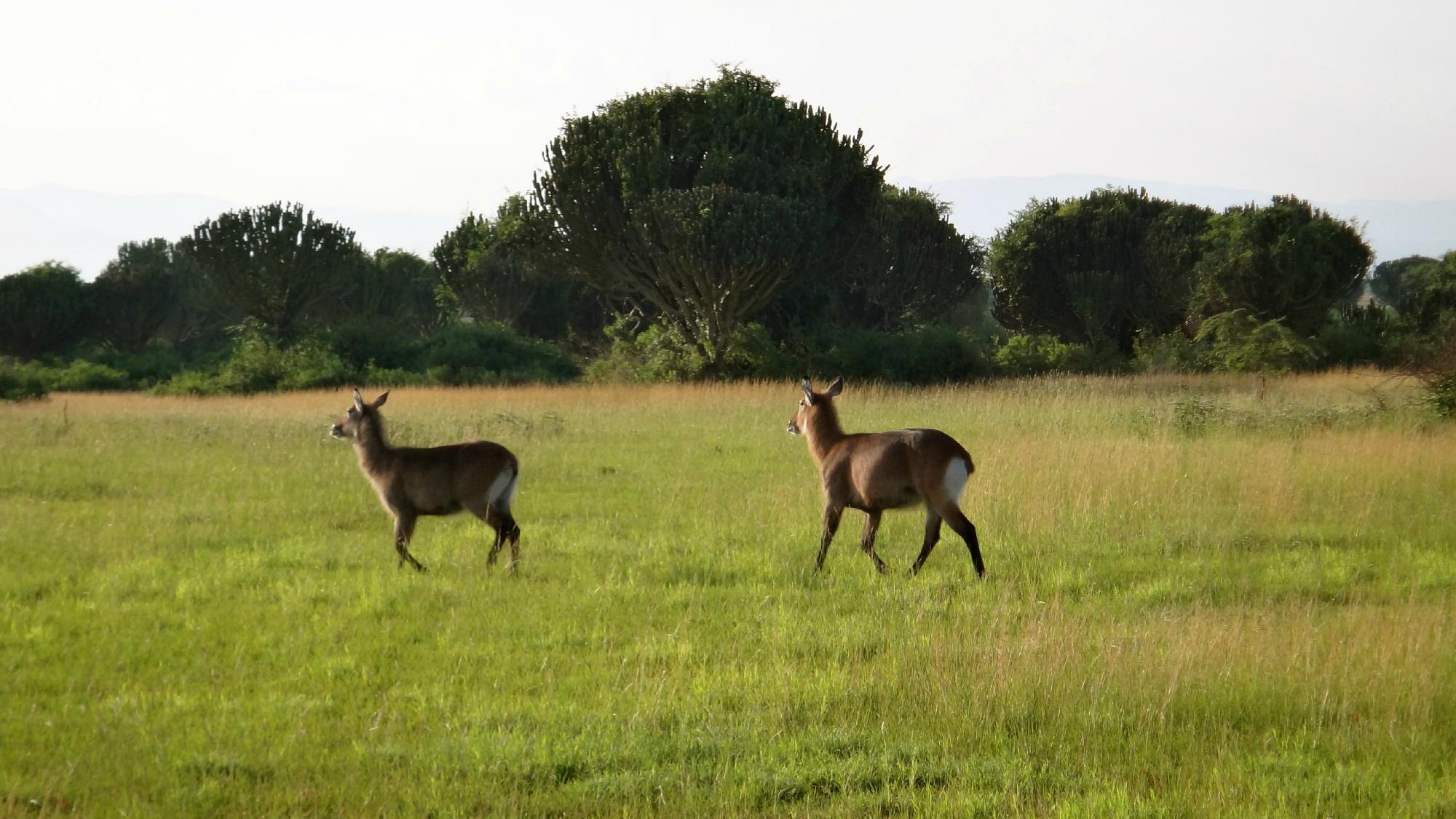
Other common animals include hippos, which are usually spotted in the water, particularly in the Kazinga Channel. If lucky, you may also catch sight of the elusive leopard, though they tend to be harder to spot due to their stealthy nature. The park is also home to warthogs, hyenas, and several species of antelope, such as the Ugandan kob.
For bird lovers, the park offers incredible opportunities to see a diverse range of bird species, including the striking shoebill stork, vibrant kingfishers, and majestic fish eagles.
The variety of species present ensures there is always something exciting to see during a safari in the park, whether it’s a majestic elephant or a tiny exotic bird.
Are there exclusive or private game drive options for luxury safari guests?
Yes, Queen Elizabeth National Park offers exclusive and private game drives, which are a popular choice for luxury safari guests who want a more tailored and intimate experience. These exclusive options are designed to provide privacy, comfort, and a personalized tour of the park.
In a private game drive, guests typically have their own 4×4 safari vehicle along with a highly knowledgeable guide who customizes the trip according to the group’s interests. This means that if you’re particularly interested in finding a certain species, such as the tree-climbing lions or African elephants, your guide will focus on those areas where you’re most likely to encounter them.
Unlike shared game drives, where you travel with other guests, private game drives allow you to dictate the pace of the safari. If you want to spend more time watching a herd of elephants, for example, you’re free to do so without worrying about other people’s schedules. Additionally, these drives often provide higher-quality amenities like comfortable seating, onboard refreshments, and even gourmet snacks.
Private game drives are ideal for families, honeymooners, or small groups of friends looking for a special and exclusive experience. Many luxury lodges and camps within or near the park can arrange these private safari options for their guests. Some lodges even have their own vehicles and guides dedicated specifically to enhancing the guest experience.
Opting for a private game drive allows you to explore the park at your own pace, enjoying a more intimate connection with the wildlife while avoiding the crowds often found in shared safari tours.
What additional activities, aside from game drives, are available within the park?
Queen Elizabeth National Park offers a variety of activities that go beyond the usual game drives, giving visitors multiple ways to explore and enjoy the park. One of the most popular activities is a boat safari along the Kazinga Channel. This waterway connects Lake Edward to Lake George and is teeming with wildlife such as hippos, crocodiles, elephants coming to drink, and a variety of bird species. A boat safari offers a different perspective and allows you to see animals up close in their natural aquatic environment.
Another activity is the chimpanzee trekking experience in the Kyambura Gorge. This forested canyon is home to a population of wild chimpanzees, and visitors can join guided treks to observe these fascinating primates in their natural habitat. Trekking offers a chance to explore the lush forest and learn about the behavior and social structures of chimpanzees.
Nature walks are another option for those looking to experience the park on foot. Guided walking tours are available in areas like the Maramagambo Forest or the Mweya Peninsula and allow visitors to learn about the smaller aspects of the ecosystem, such as plants, insects, and tracks made by animals.
Cultural activities are also available, with visits to local communities like the Katwe salt works, where traditional salt mining still takes place, or entertainment from the neighboring Bakonzo or Banyankole cultural groups. These interactions allow visitors to gain insight into the daily life and traditions of people living near the park.
With boat trips, primate treks, walking tours, and cultural encounters, Queen Elizabeth National Park provides a well-rounded experience for visitors who want more than just a traditional safari.
How does the park’s diverse ecosystem enhance the safari experience?
Queen Elizabeth National Park’s diverse ecosystem provides a wide variety of habitats for animals, plants, and birds, making each safari unique and exciting. The park features savannahs, wetlands, forests, and lakes, each hosting different types of wildlife and offering distinct activities.
For example, in the expansive savannah areas, you can spot animals such as lions, elephants, and Uganda kob (a type of antelope). These open plains make it easier to see animals that prefer grassy habitats. Meanwhile, the wetlands are home to crocodiles and hippos, which are commonly seen along waterbanks. The forested areas, such as Kyambura Gorge, harbor unique animals like chimpanzees and other primates. Visitors who go on primate trekking in these forested zones enjoy an entirely different experience from the open savannah game drives.
Importantly, the park is a birdwatcher’s paradise because of its mix of ecosystems. Over 600 bird species live here, ranging from eagles in the skies to rare waterbirds like the shoebill stork in the swamps. This gives bird enthusiasts plenty of opportunities to observe species they won’t find elsewhere.
The variety of landscapes also ensures that visitors don’t get bored as they explore the park. A morning on the savannah could transition to boating along the Kazinga Channel or walking through forests in search of chimpanzees. With this level of biodiversity, there’s always something new to observe and appreciate during guided safaris or self-directed explorations.
By hosting so many different plant and animal species, the park creates an environment where visitors can experience the richness of nature in one location, often without having to travel long distances within the area.
What are the key features of the Kazinga Channel, and why is it a highlight of the park?
The Kazinga Channel is a natural waterway connecting Lake George and Lake Edward in Queen Elizabeth National Park. This unique 32-kilometer-long channel is one of the park’s most iconic attractions for wildlife viewing and offers a boating safari experience, which is a highlight for many visitors.
One of the most striking features of the channel is its high density of animals. Many creatures rely on the channel for drinking water, cooling off, or finding food, making it a hotspot for game-viewing. For example, you’ll often see hippos lounging in the water alongside crocodiles sunbathing on the banks. Large herds of elephants and buffalo frequently gather to drink or bathe nearby, providing amazing photo opportunities. Predators like lions might also show up, waiting nearby to hunt animals coming to the water source.
Another notable feature is the rich birdlife surrounding the channel. Species such as kingfishers, cormorants, pelicans, African fish eagles, and herons are commonly spotted. Birding is particularly rewarding along the shores, as the habitat supports both water birds and migratory species. This makes a boating or motorized launch trip a great choice for birdwatching fans.
What also makes the Kazinga Channel special is how accessible it is. Cruises along the channel are leisurely and comfortable, allowing visitors to enjoy close-up views of wildlife without the need for a jeep or trekking. Photographers, especially, love the vantage point the water provides, as you can get incredibly close to animals in their natural environment.
The combination of thriving wildlife, bird populations, and breathtaking scenery makes the Kazinga Channel a must-visit highlight and an essential part of any safari itinerary.
Are there specific cultural experiences or local interactions included in a luxury safari?
Queen Elizabeth National Park not only offers remarkable wildlife but also opportunities to immerse visitors in local culture, adding a human and social aspect to your safari experience. Many tours include visits to nearby local villages, where guests can learn about the tribes and traditions of the communities living near the park.
One popular experience involves meeting the Banyaruguru and Bakonzo people, who are native to the region. During these visits, travelers can see traditional singing, dancing, and drumming performances. Such events often include storytelling sessions, where elders share history, myths, and tales about the area. For example, you might hear stories about the relationship between the people and the animals of the park.
Learning about traditional crafts is another highlight. Local artisans demonstrate how they make items like woven baskets, clothing, or jewelry using age-old techniques. Often, these handmade goods are available for purchase, allowing visitors to take a piece of the experience home while supporting the local economy. For those interested in agriculture, some communities offer a chance to see how they grow crops such as bananas, millet, or coffee, explaining the role these play in their daily lives.
Cultural tours can also include a visit to the Amagara Cultural Center, which is a gathering place for promoting and preserving the area’s heritage. Alternatively, some safari packages incorporate traditional food sampling, where you can taste authentic Ugandan dishes like matoke (steamed bananas) or groundnut sauce, giving insight into local flavors.
These interactions encourage respect and understanding between visitors and local people while ensuring tourism benefits those who live near the park. Including these cultural encounters helps make the trip more enriching and well-rounded.
How does one access Queen Elizabeth National Park, and are there luxury transportation options?
Queen Elizabeth National Park is located in western Uganda, and there are a few ways to reach it depending on your preferences. The park is approximately 400 kilometers (about 6-7 hours’ drive) from Uganda’s capital city, Kampala. The most common way to access the park is by road, and many luxury safari packages include private vehicles with air conditioning and knowledgeable drivers/guides. This option provides comfort for the journey while allowing you to pass through beautiful Ugandan countryside. The roads leading to the park are generally in good condition, though a four-wheel drive vehicle is recommended for navigating the park itself.
For those looking for faster options, flying to the park is a great alternative. Entebbe International Airport near Kampala is the main entry point for international travelers, and from there, you can take a domestic flight to a nearby airstrip such as Kasese or Mweya. Light aircraft charters are often used for luxury travelers, offering a more private and convenient experience. These flights are typically operated by companies like Aerolink or Eagle Air. Upon arrival, a transfer service will bring you to your accommodations or safari experience.
Within the park, luxury options for getting around include guided game drive vehicles that prioritize comfort and clear views of the wildlife. Some lodges partner with private safari companies to provide open-sided vehicles for an even more exclusive experience. Boat safaris on the Kazinga Channel are another popular way to explore the park. These boats often accommodate small groups for a more intimate experience, complete with refreshments on board. In short, whether you prefer road trips, chartered flights, or guided drives, the park offers options catering to a high-end travel experience.
What conservation efforts or sustainability practices are involved in the park’s safari operations?
Queen Elizabeth National Park is part of the Uganda Wildlife Authority’s (UWA) broader efforts to protect the country’s natural resources. Conservation practices here prioritize wildlife protection, ecosystem management, and collaborative community involvement. One critical initiative includes working to combat poaching, a historic challenge in the region. Anti-poaching patrols and partnerships between authorities and local communities help safeguard animals like lions, elephants, and hippos. Rangers often use advanced techniques and technology, such as GPS tracking, to monitor wildlife movement and combat illegal activities.
A focus on sustainability is also reflected in many of the lodges and safari operators within the park. High-end lodges are increasingly incorporating eco-friendly practices, such as using solar power, recycling waste, and sourcing materials locally. They often work with local communities to provide jobs, create education programs, and ensure that tourism benefits the surrounding areas as much as the park itself.
Additionally, initiatives like tree planting and wetland restoration contribute to maintaining the park’s biodiversity. For instance, the protection of the Kazinga Channel is a vital part of these efforts, as it serves as a key water source for numerous species. Programs related to elephant conservation and mitigating human-wildlife conflict are also noteworthy. These address situations where wildlife may stray into farmland, helping communities develop sustainable agriculture while preserving animal habitats.
By choosing responsible safari operators and lodges, travelers can contribute to these conservation efforts. Many high-end safari providers educate their guests on supporting preservation and incorporate small fees into their packages that directly fund these sustainability initiatives. This approach ensures that while visitors enjoy unforgettable wildlife encounters, they are also giving back to this unique ecosystem.
What should travelers pack or prepare for a luxury safari in Queen Elizabeth National Park?
Packing appropriately for a safari is essential to ensure comfort and preparedness. The first priority is clothing. Since Queen Elizabeth National Park has a tropical climate, light and breathable clothing is ideal, but layers are also important since mornings and evenings can be cooler compared to the daytime heat. Neutral colors (like beige, brown, or green) are recommended because they help you blend into the environment, avoid attracting insects, and minimize disturbing the animals. A wide-brimmed hat, sunglasses, and sunscreen are must-haves for sun protection during game drives or boat trips.
Footwear is equally important. Pack sturdy, closed-toe walking shoes or boots for activities like nature walks or chimpanzee tracking. Comfortable sandals can be worn around lodges. Don’t forget to include essentials like a lightweight rain jacket because occasional rain showers are possible, even during the dry season.
In terms of gear, a pair of binoculars is highly recommended for observing animals from a distance, and a camera is a necessity for capturing wildlife moments. Bring extra batteries, memory cards, and charging cables. Many lodges offer charging stations, but having additional power banks can be useful on long excursions.
Other essentials to pack include insect repellent, any required medications, and a basic first aid kit. High-end lodges often provide malaria nets, but it’s still wise to consult your doctor about medications for malaria prevention before traveling.
Don’t forget your travel documents, including your passport, visa, and any permits for activities like chimpanzee trekking. Keeping digital and physical copies of these can be useful. If you’re planning to visit remote areas, it’s a good idea to carry some cash in local currency (the Ugandan Shilling) for tips or small purchases.
Lastly, a small backpack or daypack will help you carry daily essentials, and reusable water bottles are encouraged to stay hydrated and limit plastic waste. With careful preparation, you can fully enjoy all that the park has to offer.
Ready to Plan Your Luxury Safari?
So, what makes a luxury safari in Queen Elizabeth National Park so special? From spotting incredible wildlife to enjoying top-tier accommodation, we’ve covered why this destination is a must-visit and how you can explore it comfortably. Now, it’s your turn to make these experiences a reality. Book your perfect trip today with trusted Uganda Safari Companies, and let the adventure begin!