Can You Do Birding in Uganda?
What is birding, and why is Uganda considered a top destination for it?
Birding, also known as birdwatching, is the observation and study of birds in their natural habitats for fun, education, or scientific purposes. People often use binoculars, cameras, and bird guidebooks to spot and learn about different bird species. Birding is an exciting hobby because birds are diverse, colorful, active, and found in different ecosystems. It connects people with nature and can be done virtually anywhere, from your backyard to national parks around the world.
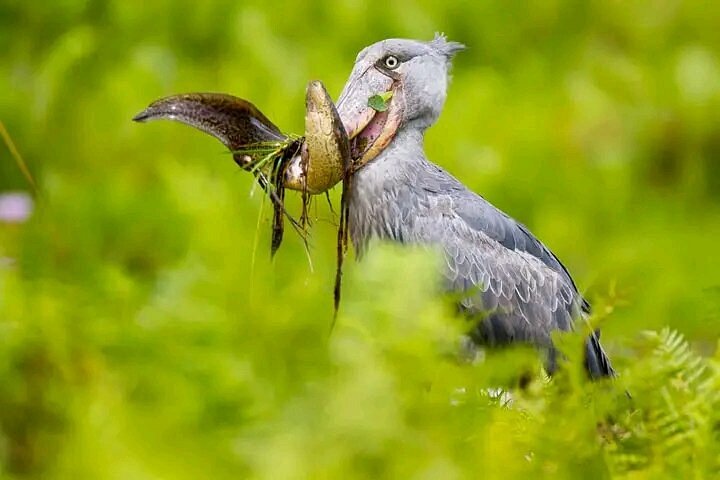
Uganda is considered a top birding destination for several reasons. First, it is located in East Africa, a region with a rich diversity of wildlife, including an incredible variety of bird species. Uganda’s geography and climate make it unique because it has a mix of different ecosystems, such as tropical rainforests, wetlands, savannahs, and mountainous areas. This variety gives birds plenty of habitats to thrive, leading to a concentration of birdlife in the country.
Second, Uganda boasts over 1,070 bird species, representing about 50% of all bird species in Africa and about 10% of the entire world. This means that birders visiting Uganda have access to a wide range of familiar, exotic, and rare species in just one trip! For instance, birders can spot magnificent species like the African Grey Parrot or witness the famed Shoebill, a prehistoric-looking bird that is often on the bucket list of bird enthusiasts worldwide.
Uganda’s popularity as a birding destination is also boosted by its accessible national parks, reserves, and friendly communities that welcome eco-tourism. With trained bird guides, well-preserved habitats, and a breathtaking natural landscape, Uganda has earned a global reputation as a birding paradise.
What bird species can be found in Uganda, and are there any endemic or rare species?
Uganda is home to over 1,070 bird species, making it one of the richest birdwatching destinations in the world. These species belong to all sorts of habitats, from wetland-loving waterbirds to colorful forest-dwelling species. Some notable bird species you can find in Uganda include the African Fish Eagle, which is often called the “voice of Africa” for its iconic cry, and the Grey Crowned Crane, Uganda’s national bird, which features a crown of golden feathers on its head and can be seen on the country’s coat of arms.
Uganda also has several rare and endemic (found nowhere else in the world) bird species. For example, the Shoebill is a rare and iconic bird that looks somewhat prehistoric with a large, shoe-shaped beak. It’s highly sought after by birdwatchers for its unique appearance and behavior. Another rare species is the Green-breasted Pitta, found in the forested areas of Uganda. Birders often consider it a difficult bird to spot because of its secretive nature.
When it comes to endemic species, Uganda has birds like the Fox’s Weaver, a colorful species that can only be found in Uganda’s northeastern swamps. This makes it particularly special, as many birders travel to the country specifically to see species they can’t find elsewhere. Other near-endemic species include the African Green Broadbill and the Rwenzori Turaco, found in Uganda’s mountainous and forested areas.
Overall, whether you’re looking for brightly colored birds, majestic raptors, or the rarest forest species, there is something truly special for everyone in Uganda’s birding scene.
What are the best locations for birding in Uganda?
Uganda offers a variety of incredible locations for birding, with each region providing unique habitats and species to discover. Many of these locations are national parks, protected wetlands, or forest reserves, which are teeming with both common and rare bird species.
One of the standout birding destinations is Bwindi Impenetrable National Park, a UNESCO World Heritage Site best known for its mountain gorillas but also home to an outstanding variety of birds. This park is famous for species like the African Green Broadbill, Rwenzori Turaco, and Black Bee-Eater. Its lush forests are ideal for spotting rare forest birds, particularly the Albertine Rift Endemics, found only in this region.
Another top birding location is Mabamba Swamp, near Lake Victoria, which is world-renowned for the Shoebill. This wetland provides a perfect opportunity to spot waterbirds like herons, kingfishers, and weavers, and is easily accessible for day trips from Uganda’s capital, Kampala.
Queen Elizabeth National Park is another fantastic birding spot, offering a mix of grassland, woodland, and wetland habitats. The park is home to more than 600 bird species, including the African Skimmer, Grey-headed Kingfisher, and Saddle-Billed Stork. Visitors to the park can combine a birding experience with game drives and boat safaris, making it a multi-purpose destination.
Other must-visit locations include Murchison Falls National Park, with riverine habitats and savannah birds; Kibale National Park, home to forest species and stunning butterflies; and Semuliki National Park, famous for its Congo basin species not found elsewhere in East Africa. With so many great locations, Uganda offers bird enthusiasts a chance to explore a wide variety of ecosystems and discover new species at every turn.
What is the best time of year for birding in Uganda?
The best time of year for birding in Uganda is during the dry seasons, which typically span from December to February and again from June to August. These periods are ideal because the weather is more stable, with minimal rainfall, making it easier to travel to remote areas and have uninterrupted birding experiences. Roads and trails are also more accessible during the dry season, which is especially important when you’re heading to Uganda’s national parks and reserves for bird watching.
Another advantage of these dry months is that most migratory bird species are present. From November to April, Uganda hosts a variety of migratory species from Europe and North Africa, which means you get a chance to see not only resident species but also birds that travel thousands of miles to call Uganda their temporary home. For example, during these months, you might spot European bee-eaters, black-winged pratincoles, and white-winged terns.
While the dry seasons are generally the most popular for birding, Uganda’s diverse birdlife can be observed year-round. Even the rainy seasons (March to May and September to November) offer their unique appeal. During these times, birds tend to nest and breed, which means you’ll get a chance to see more of their vibrant plumage, as many species display their best colors during courtship. However, heavy rains may make some locations harder to access, and sightings can sometimes be disrupted by the weather.
If you’re planning your trip, aim to visit during the dry months for the most comfortable experience. But keep in mind that Uganda’s reputation as a year-round birding destination ensures that you’ll still see an incredible variety of species no matter when you visit.
Are there specific national parks or reserves in Uganda ideal for birding?
Yes, Uganda is home to several national parks and reserves that are globally recognized as prime birding destinations. One standout location is Queen Elizabeth National Park, which boasts over 600 recorded bird species, making it one of the most biodiverse birding spots in East Africa. Here, you can see birds like the African skimmer, shoebill stork, and pink-backed pelican. The Kazinga Channel within the park is particularly popular for waterbird sightings.
Mabamba Swamp, located near Entebbe, is another must-visit site, especially if you want to see the famous shoebill, a rare and prehistoric-looking bird. The swamp is also home to papyrus endemics like the papyrus gonolek and blue-headed coucal, making it a hotspot for bird enthusiasts.
Bwindi Impenetrable Forest National Park is not only known for its mountain gorillas but also for its exceptional birdlife. It’s particularly famous for hosting 23 Albertine Rift endemics, including the handsome francolin and short-tailed warbler. This park is a UNESCO World Heritage site and a paradise for forest birders.
Kibale National Park, often referred to as the primate capital of the world, is another excellent birding location. It’s home to over 375 bird species, including the African pitta, green-breasted pitta, and crowned eagle. Its mix of forest and grasslands provides diverse habitats for various bird species.
Other notable birding spots include Murchison Falls National Park, where you can see birds like the goliath heron and Abyssinian ground hornbill, and Lake Mburo National Park, which features acacia-dwelling birds.
In short, Uganda’s network of national parks and reserves offers a wide range of habitats, from wetlands and forests to savannahs, ensuring that birders of all levels will find something magical to experience.
How many bird species can be spotted in Uganda in total?
Uganda is a birding paradise, with over 1,080 recorded bird species to its name. This incredible number makes Uganda one of the richest birding destinations in Africa. The country’s varied habitats, which include forests, wetlands, savannahs, and mountain ranges, provide ideal conditions for such a vast diversity of birdlife.
One of Uganda’s most remarkable features is its location within the Albertine Rift, a region known for its high level of endemic species. In fact, Uganda has a whopping 24 Albertine Rift endemic bird species, which are found only in this region. Examples include the Rwenzori turaco, Grauer’s swamp warbler, and the red-throated alethe. This makes Uganda particularly special for serious birders who aim to add rare species to their life lists.
In addition to its resident birds, Uganda welcomes a number of migratory species each year. From November to April, birds from Europe and other parts of Africa migrate to Uganda for the season, further boosting the variety of species you can see. Among these migratory birds are the European bee-eater and black-tailed godwit.
Uganda also has iconic species like the shoebill, a bird so unique in appearance that it’s often described as “prehistoric.” This rare bird is a top highlight for birders, and it can be found in locations such as Mabamba Swamp and Murchison Falls National Park.
With such an impressive total of bird species, Uganda offers something for every birding enthusiast, from beginners to seasoned experts. It’s no surprise that the country is seen as one of the best birding destinations not just in Africa, but in the world!
Are guided birding tours available in Uganda, and do you need a guide?
Yes, guided birding tours are widely available in Uganda, and while they aren’t mandatory, they are highly recommended. Uganda is a popular birdwatching destination, and many companies offer organized tours led by professional birding guides. These tours cater to birders of all experience levels, from beginners to seasoned professionals, and often focus on specific regions or habitats to spot the maximum number of bird species.
Guides are extremely helpful because they are knowledgeable about local bird species, habitats, and bird calls, which can be hard for a visitor to identify on their own. For example, many birds in Uganda, especially smaller forest species, are camouflaged and hard to spot with the naked eye. Guides are skilled at recognizing subtle movements, identifying birds by their calls, and pointing them out quickly before they disappear. Some guides even bring equipment like telescopes for better viewing.
Additionally, many birding spots in Uganda, like Bwindi Impenetrable Forest or Mabamba Swamp, are located in thick forests or wetlands. Having a guide ensures you don’t get lost and know where to look for certain species. For instance, the rare Shoebill stork, a prized bird for birdwatchers, is mostly found in specific swampy areas, and guides will know the best times and locations to see it.
If you’re visiting from abroad, booking a guided birding tour also simplifies logistics. They often include transportation, accommodation, and help with any necessary permits or entry fees. While you can try birding on your own, going with a guide makes the experience much more rewarding, efficient, and enjoyable.
What equipment do you need for birding in Uganda?
To make the most of your birding experience in Uganda, you’ll need some specific equipment, but you don’t have to break the bank. Here’s what you’ll need:
- Binoculars: Your number-one tool for birding! A pair of good-quality binoculars lets you observe birds from a distance without scaring them away. Look for binoculars with specifications like 8×42 or 10×42, as they provide clarity and brightness without being too heavy.
- Field Guide: A bird field guide specific to East Africa or Uganda is very useful. It will help you identify the different species you see, and many guides offer photographs, descriptions, and maps of where birds are commonly found.
- Camera (optional): A camera with a zoom lens is great if you want to capture photos of the birds you see. While not essential, photography is a rewarding way to document your birding experiences. DSLRs or mirrorless cameras with telephoto lenses (e.g., 300mm or more) are ideal for this purpose.
- Clothing: Wear lightweight, comfortable, and neutral-colored clothes to avoid startling birds. Long sleeves, pants, and a hat will also protect you from sun, bugs, and scratches in the forest.
- Shoes: Sturdy, comfortable walking shoes or hiking boots are a must. Many birding spots in Uganda involve walking for long hours, often in uneven or muddy terrain.
- Notebook and Pencil: If you like, you can jot down your sightings, names of birds, locations, and other notes in a notebook. This helps you remember the experience and contribute to your own “life list” of bird species.
- Birding Apps: Some apps can be downloaded to help identify bird species by sound or appearance. Popular options include BirdLasser and Merlin Bird ID.
- Other Essentials: Sunscreen, insect repellent, and a rain jacket are great additions, as Uganda has a tropical climate, and you might encounter sudden rains or mosquitoes while birding.
While professional birders may go for advanced gear, beginners can stick to the basics like binoculars, comfy clothes, and a notebook to get started. You don’t need fancy equipment to enjoy birdwatching in Uganda!
Are there any permits or fees required for birding in Uganda’s protected areas?
Yes, you will likely need permits or pay entry fees when birding in Uganda’s protected areas, as most of these destinations are located within national parks or wildlife reserves. These fees contribute to conservation efforts and the maintenance of protected areas.
For Uganda’s national parks, like Queen Elizabeth National Park, Bwindi Impenetrable National Park, or Murchison Falls National Park, you’ll need to pay an entrance fee. Typically, this fee ranges between $40 and $70 per person per day for international visitors. Ugandan citizens and East African residents often pay lower fees.
If you’re planning to visit specialized birding locations, like the Mabamba Swamp, there may also be smaller local fees. For example, at Mabamba Swamp, you might pay a fee for a boat ride, as exploring the swamp to see the Shoebill stork requires journeying by canoe.
In some cases, if you join a guided birding tour, the cost of permits or entry fees may already be included in the package price. It’s always a good idea to check with your tour operator to clarify what’s covered.
If you’re birding in areas that involve forest treks, like Bwindi Impenetrable National Park, which is famous for both gorillas and its rare bird species, you may need additional permits for access to certain trails. Guides and rangers organizing the treks will often help secure these permits for you.
All in all, while the fees might add up depending on the number of parks or reserves you visit, they directly support conserving Uganda’s rich biodiversity, including its incredible range of bird species. Always ask in advance about applicable permits so you can plan your budget accordingly.
How accessible are Uganda’s birding destinations in terms of transport and accommodation?
Uganda’s birding destinations are relatively accessible, but their level of accessibility often varies depending on their location. Many of Uganda’s top birding spots are within national parks and rural areas, which means transport and accommodation availability might be more limited than urban locations, but still manageable with proper planning.
Transport options typically include private vehicles, tour vans, and buses. Many visitors to Uganda arrange for tour operators to provide transport, as this ensures they can easily reach more remote birding hotspots. Some of Uganda’s best birding spots, like Bwindi Impenetrable National Park or Queen Elizabeth National Park, are several hours’ drives from major cities like Kampala or Entebbe. The road conditions are generally decent on main highways, but once entering rural areas or parks, they can become bumpy and challenging, especially during the rainy season. A 4×4 vehicle is highly recommended for these trips. For certain remote locations, access might involve boating on waterways or hiking through forests, so you’ll need a reasonable level of physical fitness for those activities.
When it comes to accommodation, there are options for almost every budget type around major birding destinations. Near the parks, you can find luxury lodges, midrange hotels, and even budget hostels or campsites for travelers looking to save money. For example, around Mabamba Swamp (famous for the Shoebill storks), accommodations range from simple eco-lodges to fancier resorts. Likewise, around Bwindi or Queen Elizabeth National Park, you’ll find many lodges designed specifically for adventurous travelers or birding enthusiasts.
However, if you’re planning to bird in very remote areas, accommodation might be extremely basic, and transport may require more effort to organize. Overall, with a bit of research or enlisting a reliable tour operator, birding destinations in Uganda can be made quite accessible, even for visitors unfamiliar with the country.
What are some tips for beginners interested in birding in Uganda?
If you’re new to birding in Uganda, here are a few helpful tips to make your experience enjoyable and successful:
- Hire a guide or join a tour: Uganda is home to over 1,000 bird species, and identifying them can be overwhelming, especially for beginners. Professional birding guides know the best spots, how to identify different species by sight and sound, and can help you locate rare birds like the Shoebill. Many tours also include transportation and accommodations, simplifying logistics.
- Start with popular birding spots: Uganda has a wealth of birding destinations, but some are more beginner-friendly than others. Mabamba Swamp (near Kampala) is an excellent place to see the iconic Shoebill stork. Queen Elizabeth National Park and Bwindi Impenetrable National Park are also great options where both birding and wildlife viewing are possible.
- Invest in binoculars: A good pair of binoculars is essential for birding. Birds are often high up in trees or far away, making it difficult to observe without some magnification. Look for binoculars with at least 8x magnification for a clear view.
- Wear comfortable clothing and shoes: Birding often involves trekking through forests, wetlands, or savannas, so wear earth-toned clothing to blend in with the environment and sturdy shoes for walking. A hat, sunscreen, and insect repellent are also important to protect you from the sun and bugs.
- Learn basic birding skills: Before heading out, familiarize yourself with how to observe birds. Watch their behavior, note their size, color, and bill shape. If you can, download a birding app or carry a field guide specific to Uganda to help with identification.
- Be patient and quiet: Birding requires a lot of patience since birds are shy and easily scared off by noise. Stay quiet, move slowly, and take your time to allow birds to come closer.
- Time your visit well: Early mornings are the best times to go birding since birds are most active as they feed. Additionally, visiting Uganda during the dry season (June to August or December to February) helps avoid challenges from heavy rains.
With these tips, beginners can ease into birding while making the most of Uganda’s incredible bird diversity.
Are there conservation efforts in Uganda to protect bird species and their habitats?
Yes, Uganda has several conservation efforts in place to protect its rich birdlife and the habitats that support them. These efforts include community initiatives, governmental work, and collaboration with international organizations to address habitat loss, poaching, and other threats to birds.
One key player in Uganda’s bird conservation is Uganda Wildlife Authority (UWA), which manages national parks and protected reserves. UWA enforces laws to protect biodiversity, including birds, from activities like illegal logging, hunting, and habitat destruction. Many of Uganda’s bird species, especially endemic ones, rely on protected areas such as Bwindi Impenetrable Forest or Mabira Forest. UWA also supports ecotourism to generate funds that go back into conservation efforts.
Uganda is also home to several important birding and biodiversity organizations, such as Nature Uganda, which is part of the BirdLife International network. These organizations monitor bird populations, advocate for sustainable land use, and work closely with local communities to conserve critical habitats like wetlands, forests, and grasslands. For instance, the Mabamba Swamp, a prime site for the endangered Shoebill, has community-run eco-tourism initiatives that both enhance local incomes and incentivize conservation.
Additionally, conservation efforts often focus on educating the public about the importance of preserving bird habitats. Farmers, for example, are encouraged to adopt sustainable and bird-friendly agriculture to avoid encroaching on wetlands and forests.
Despite these efforts, threats such as deforestation, wetland degradation, and climate change remain significant challenges. To tackle these issues, Uganda continues to push for partnerships with international conservation bodies, greater funding for wildlife programs, and enhancing eco-tourism initiatives to protect its bird species for future generations.