Uganda Walking Safaris
Uganda Walking Safaris: Explore Wildlife Up Close
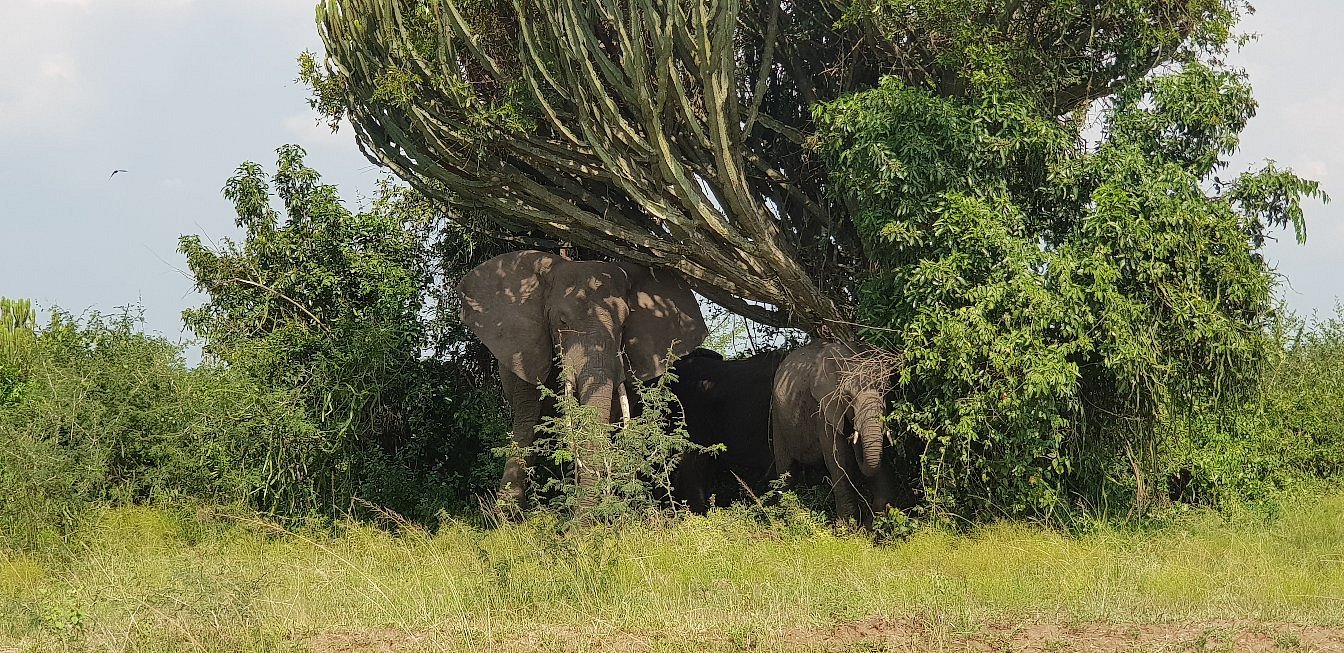
Uganda walking safaris offer a unique way to explore the country’s stunning landscapes, wildlife, and cultural heritage. Popular destinations for walking safaris include Queen Elizabeth National Park, where travelers can encounter animals like elephants and buffalos on foot, and Kidepo Valley National Park, known for its wilderness and bird species. Bwindi Impenetrable Forest is perfect for gorilla tracking, while Lake Mburo National Park offers guided walks among zebras and giraffes. Walking safaris are an excellent addition to Uganda safaris, providing an up-close experience with nature and breathtaking scenery. When planning your trip to visit Uganda, these guided walking tours ensure a memorable adventure while supporting conservation and local communities through eco-tourism.
What is a walking safari, and how does it differ from traditional game drives?
A walking safari is a type of safari experience where participants explore the natural environment on foot, accompanied by a trained guide or ranger, rather than in a vehicle. The focus of a walking safari is less on covering long distances and more on observing the landscape, animal behavior, and the smaller details of the ecosystem that may be missed during a game drive. Walking safaris emphasize being closer to nature, providing a more intimate connection to the surrounding wildlife and environment.
In contrast, traditional game drives involve exploring wildlife areas in specialized vehicles, such as open-top jeeps. Game drives allow individuals to cover larger areas in a day and are typically focused on spotting larger and more elusive animals like lions, elephants, or leopards. In simpler terms, a game drive offers a more passive viewing experience, while a walking safari engages the senses more actively, encouraging observation of smaller wildlife, footprints, plants, and even insects.
For example, on a walking safari, you might examine ant trails, animal tracks, or unusual plants up close, while learning how they play a role in the overall ecosystem. These details are harder to notice from a vehicle. Similarly, you may encounter animals at a lower speed and without the sound of a vehicle’s engine, which often creates a more serene and personal atmosphere.
While both types of safaris have their own merits, walking safaris are about appreciating the environment at a slower pace and noticing the overlooked marvels of the wild. This makes them perfect for those who want an immersive and educational outdoor experience.
What are the key national parks and reserves in Uganda that offer walking safaris?
Uganda is home to several national parks and reserves that provide opportunities for walking safaris. These areas are especially known for their scenic beauty, dense forests, and a wide variety of wildlife. Below are some major locations offering walking safari experiences:
- Murchison Falls National Park: This is one of Uganda’s largest and oldest national parks. While most visitors opt for game drives, guided walking safaris here bring you up close to smaller animals, bird species, and the natural beauty of the surrounding savannah and forested areas. The area along the Nile River is particularly popular for walking tours.
- Bwindi Impenetrable National Park: Known globally for its mountain gorillas, this UNESCO World Heritage Site offers excellent trekking experiences that can be considered walking safaris. While the main highlight is gorilla tracking, participants also get to learn about the local flora and other wildlife species.
- Lake Mburo National Park: Unlike some other areas, walking safaris are a major feature here. As there are no lions in the park, visitors can walk freely in the company of a guide, observing animals like zebras, buffaloes, and giraffes. The rolling hills and grassy valleys make it a picturesque location for exploring on foot.
- Kidepo Valley National Park: Located in Uganda’s remote northeastern region, this park is perfect for those seeking solitude and untamed wilderness. Walking safaris often cover the Narus Valley, where animals like elephants, cheetahs, and antelope can be spotted.
- Ziwa Rhino Sanctuary: This sanctuary focuses on the conservation of rhinos. Walking safaris here allow visitors to observe these magnificent animals at a closer range, under the guidance of rangers.
Each of these parks and reserves offers unique landscapes and rare wildlife, making Uganda a diverse destination for walking safaris. By exploring on foot, visitors gain a deeper appreciation for the natural treasures each park offers.
What types of wildlife can you expect to encounter on a walking safari in Uganda?
During a walking safari in Uganda, visitors can encounter a variety of wildlife thanks to the country’s rich biodiversity. However, it’s worth noting that walking safaris often focus on smaller animals and elements of nature that are less obvious during vehicle-based game drives. Below are examples of the types of wildlife commonly seen during a walking safari:
- Mammals: The specific mammals you might come across depend on the park or reserve you’re visiting. For instance, in Lake Mburo National Park, you might see zebras, antelope species like impalas and oribis, warthogs, and even buffaloes. In Kidepo Valley National Park, animals such as elephants, giraffes, and even cheetahs can occasionally be observed, though your guide will ensure safety.
- Primates: While gorilla trekking is its own unique experience at Bwindi Impenetrable National Park, walking safaris may introduce you to other primate species, such as black-and-white colobus monkeys, vervet monkeys, or baboons.
- Birds: Uganda is a spectacular birding destination with over 1,000 species. Walking safaris allow bird enthusiasts to closely observe species within their natural habitat, such as the crested crane (Uganda’s national bird), African fish eagle, or shoebill stork.
- Reptiles and Amphibians: Exploring on foot gives you a chance to see reptiles like Nile monitor lizards, chameleons, or snakes sunbathing or moving through their surroundings.
- Insects: From colorful butterflies to soldier ants, walking safaris shine a light on the smaller creatures that shape the ecosystem. Guides often point out termite mounds, dung beetles, or unique spiders.
- Plants and Tracks: Wildlife includes more than animals. Expect to learn about local vegetation, which is essential to the survival of many larger species. Guides might also teach you to identify animal tracks, such as elephant footprints or predator paw prints, which tell stories about what has happened nearby.
Walking safaris in Uganda are a unique way to appreciate not just the large animals but the interconnected web of life, from birds to insects, that creates these thriving ecosystems. Guides ensure that visitors have a safe and enriching experience while encountering animals at a safe yet awe-inspiring proximity.
Are walking safaris in Uganda safe, and what precautions are in place?
Walking safaris in Uganda are generally considered safe, but they are designed to minimize risks through various precautions. The safety of such experiences stems from the expertise and preparedness of trained guides and rangers who lead these safaris. These guides are highly familiar with the areas, animal behavior, and potential hazards. Their primary responsibility is to ensure your safety while allowing you to appreciate Uganda’s natural beauty.
To ensure safety, walking safaris are conducted in areas deemed safe for such activities. For instance, routes are chosen carefully to avoid territories known to host dangerous wildlife, like lions or tense elephant herds. In some national parks, such as Murchison Falls or Lake Mburo National Park, rangers may carry firearms as an added precaution, though they are rarely needed. Their goal is to minimize potential animal threats if an emergency arises.
Participants are typically given guidelines before starting the walk. For example, you may be instructed to walk in a single file, stay quiet, avoid sudden movements, and listen carefully to your guide. Guides may also educate you on understanding wildlife behavior, like how to react if a large animal like a buffalo suddenly appears.
Since accidents can potentially happen, tour organizers usually invest in minimal-risk insurance and train guides in first aid practices. Proper footwear and protective clothing (like long sleeves and pants) help prevent bites from insects, scratches from plants, or skin injuries in the bush.
While no outdoor adventure is without some level of risk, these safaris are planned with a priority on security, making them a secure and thrilling way to explore Uganda’s wilderness.
Do you need a guide to participate in a walking safari in Uganda?
Yes, participating in a walking safari in Uganda requires a guide. This is not only a rule in protected areas but also a key factor for ensuring an enjoyable and safe experience. Walking deep into the wild without a guide would leave participants vulnerable to wildlife encounters or getting lost, as the terrain can be unfamiliar and tricky to navigate.
Guides bring immense knowledge about the environment. They identify animal tracks, interpret sounds of nearby wildlife, or distinguish safe areas from potentially dangerous ones. For instance, if you come across fresh dung from an elephant, a guide knows how to assess how close the animal might be and whether it’s safe to continue. This level of expertise transforms an ordinary walk into an educational and safe encounter with nature.
Guides in Uganda also explain the unique ecosystems, plants, and birds found in the region, adding to the safari’s depth. They know when and where specific animals are more active, maximizing your chances of seeing wildlife. Local guides can also share stories about cultural connections to the landscape, which enriches the experience.
Having a guide is also legally mandated in many national parks, such as Bwindi Impenetrable Forest or Queen Elizabeth National Park. This rule is in place for conservation purposes, ensuring minimal environmental impact and preserving lands for future generations. Additionally, the fee for guided walks often goes toward supporting these conservation efforts and providing income for local communities.
In short, a guide not only supports your safety but enhances your understanding of Uganda’s diverse wilderness while respecting the wildlife and ecosystems you encounter.
What is the best time of year to go on a walking safari in Uganda?
The best time for a walking safari in Uganda is during the dry seasons, which occur from December to February and June to August. These months have predictable weather, with limited rainfall, making the terrain easier to walk on and wildlife easier to spot.
In the dry season, grass levels are shorter, and water sources become more limited. Animals are easier to find because they gather around streams and waterholes, providing great observation opportunities for participants. Trails are dry and firm, reducing the likelihood of slipping or having to navigate muddy areas. Additionally, clear skies and sunny weather improve visibility, giving you better chances to enjoy panoramic views.
The rainy seasons, from March to May and September to November, are less ideal for walking safaris. Heavy rains can make paths slippery, sometimes impassable, and lead to overgrown vegetation that obstructs views. Wildlife tends to spread out during the wet months, as there is ample water and food available throughout the parks. This makes it harder to predict where animals might be at any given time. Nonetheless, if you do go during the rainy season, there are generally fewer tourists, and the lush green landscapes can be a sight to behold.
The dry season months are often busier with visitors, so booking in advance is recommended. Temperatures vary but remain relatively comfortable year-round. Daytime temperatures typically range between 25°C to 29°C (77°F to 84°F), making walking safaris pleasant without extreme heat.
Choosing a time that fits Uganda’s dry months ensures you make the most out of your safari while avoiding weather-related inconveniences that could limit your experience.
What physical fitness level is required for a walking safari in Uganda?
Walking safaris in Uganda do not require participants to be professional athletes, but a moderate level of physical fitness is important. These safaris generally involve walking for several hours over various types of terrain, such as grasslands, savannahs, forests, or hilly areas. The physical activity involved includes climbing gentle slopes, crossing uneven ground, and trekking through muddy or dense vegetation at times.
For example, in places like Bwindi Impenetrable Forest where gorilla tracking is offered, participants might need to walk for 3-6 hours a day, depending on the location of the gorillas. However, most standard walking safaris in areas like Lake Mburo National Park or Queen Elizabeth National Park are less demanding and cover shorter distances, often lasting 1-3 hours per session.
It’s important for participants to be able to manage walking at a comfortable but steady pace while carrying a small backpack with essentials like water and snacks. People with joint issues, chronic conditions, or reduced mobility might want to consult with their doctor before joining a walking safari, especially if the terrain might aggravate their condition.
A good way to prepare for a walking safari is going on regular walks or hikes in your local area, especially if they include uneven paths or light inclines. You don’t need to be in “perfect shape,” but some stamina and the ability to handle temperatures in the outdoor environment is crucial.
If unsure about your fitness level, discuss with your tour operator regarding options for shorter, less strenuous walks. They may be able to customize experiences that match your endurance.
What essential items and gear should you bring for a walking safari?
Packing properly for a walking safari enhances comfort and safety throughout the journey. Below are items that are strongly recommended to ensure you’re prepared:
- Comfortable hiking shoes: Since walking safaris involve trekking across uneven terrain, sturdy, closed-toe footwear with good grip is essential to protect feet from thorns, rocks, and insects.
- Light clothing in neutral colors: Long-sleeved shirts and trousers are great to protect against the sun, thorny plants, and insects while blending into the natural environment. Neutral colors like khaki, beige, or olive green help avoid startling animals.
- Hat and sunglasses: A wide-brimmed hat shields you from the sun, while sunglasses shield your eyes from harmful UV rays, particularly in open savannah areas.
- Water bottle or hydration pack: Staying hydrated is critical, as walking safaris often happen under the African sun. Carry plenty of water to avoid dehydration.
- Snacks: Some lightweight, high-energy snacks (like granola bars or nuts) can provide quick bursts of energy if you’re feeling fatigued.
- Bug repellent: Insects, especially mosquitoes, can be a problem in forested or bushy areas. Repellent protects exposed areas of skin from bites.
- Sunscreen: The African sun can be intense, so apply sunscreen liberally, even if you’ll mostly be in shaded areas.
- Binoculars: These are useful for spotting birds, wildlife, or scenery that might be further away from the walking trail.
- Camera or phone: For documenting memorable moments, but remember to keep it within reach to avoid distractions when observing wildlife.
- First aid kit: A small kit with adhesive bandages, antiseptic, plasters, and painkillers for minor scrapes or injuries can be handy.
- Light rain jacket or poncho: Weather in Uganda can change quickly, particularly during the rainy season, so having lightweight waterproof clothing is smart.
- Backpack: A compact, comfortable bag for carrying your belongings without being cumbersome.
- Guidebook or notebook: For those curious about wildlife or eager to make notes about animals and plants seen during the safari.
Remember, packing light is important. Carry only what’s necessary to avoid overloading yourself, as this can make walking more tiring.
Are there specific rules or etiquette to follow during a walking safari?
Yes, certain rules and basic etiquette should be followed during a walking safari to ensure personal safety, respect for wildlife, and an overall enjoyable experience. Below are the most important guidelines to remember:
- Follow the guide’s instructions: The guide is experienced in handling various situations and ensuring safety during the walk. Always pay attention to their advice on where to walk, where to stop, and how to behave when animals are nearby.
- Stay quiet: Minimizing noise helps avoid scaring wildlife. Whisper if you need to talk, and avoid loud conversations, rustling bags, or abrupt movements that can startle animals.
- Walk in single file: This formation allows the group to stay compact, makes observation easier for the guide, and reduces the group’s impact on the environment.
- Do not approach animals: While walking, it’s crucial to respect the natural boundaries between humans and wildlife. Even if animals seem calm, getting too close can put you or the animals in danger.
- No sudden movements: Abrupt actions can alarm animals and may increase the risk of unpredictable behavior from them.
- Do not litter: Carry all your waste back with you. Leaving trash in natural habitats can harm animals or disrupt the ecosystem.
- Avoid eating during the safari: Strong food smells might attract animals, which can create unsafe situations.
- Photography etiquette: While taking pictures, avoid using flash as it can distress wildlife. Only take pictures when it is safe and permitted by your guide.
- Stick with the group: Straying away from the group can lead to becoming lost or encountering animals unprepared. Always stay close.
- Respect the environment: Avoid picking plants, stones, or other natural objects. Take photographs or notes if you want to remember the experience.
- Address fears or health concerns beforehand: If you’re uncomfortable or nervous about encountering certain wildlife, let your guide know in advance so they can provide reassurance or adjust the experience accordingly.
By observing these rules, you’ll not only keep yourself safe but also reduce disturbances to wildlife and make the experience pleasant for everyone.
How long do walking safaris typically last in Uganda?
Walking safaris in Uganda can vary in duration depending on the area, the wildlife viewing opportunities, and the preferences of the participants. On average, these excursions last anywhere from a couple of hours to a full day.
For example, a short walking safari might take 2–3 hours, often scheduled in the morning or late afternoon. These shorter walks give participants enough time to explore specific trails and observe wildlife without requiring extensive physical exertion. National parks like Lake Mburo or Queen Elizabeth often have these shorter walks.
In contrast, longer walking safaris can last 4–6 hours or more, sometimes spanning the entire day. These are ideal for more adventurous participants who want to cover greater distances or visit remote parts of a national park. Some guided hikes, especially in places like the Rwenzori Mountains or Bwindi Impenetrable Forest, may even be multi-day excursions, with overnight camping or accommodations in lodges. Multi-day options often cater to those interested in experiencing Uganda’s biodiversity and landscapes deeply.
The duration of a walking safari is usually planned with consideration for participants’ physical capabilities. For instance, families with children might prefer shorter walks, while experienced hikers may opt for full-day or multi-day adventures.
The length of the safari is also influenced by factors like weather, terrain, and the likelihood of wildlife sightings. Guides ensure that these aspects are discussed beforehand, helping participants choose what best suits their needs and interests.
It’s worth asking your provider for specific details and recommendations before booking, to ensure the walking safari aligns with your expectations and fitness level.
Can walking safaris be combined with other types of safari experiences in Uganda?
Yes, walking safaris can easily be combined with other types of safari activities in Uganda, providing a more comprehensive wildlife experience. Many tour operators and national parks offer packages that mix walking safaris with game drives, boat safaris, or even primate tracking.
For instance, a popular combination includes starting the day with a walking safari in Lake Mburo National Park, where participants can observe zebras, antelopes, and giraffes up close on foot. In the afternoon, they might continue exploring the park on a game drive, which allows for greater coverage and the chance to see animals like leopards or buffalo that may not be as approachable on foot.
Another example is in Murchison Falls National Park, where you might enjoy a walking safari along the Nile, and later take a boat safari to the base of the waterfall, watching hippos, crocodiles, and aquatic birds from the water.
If you’re visiting Bwindi Impenetrable National Park, known for its mountain gorillas, some visitors choose to combine walking experiences with gorilla trekking. While gorilla trekking involves short hikes through the dense forest to specific gorilla families, a walking safari might cover other areas of the forest for birdwatching or spotting smaller mammals.
Combining activities often enhances the overall experience by allowing you to see wildlife from different perspectives. Walking allows for closer and quieter observations, while game drives cover more ground, and boat safaris provide unique views of animals near water. It’s a flexible way to make the most of your trip.
Discussing these options with tour operators beforehand ensures they can create a schedule that fits your interests and allows sufficient time for each activity.
How does a walking safari contribute to wildlife conservation and eco-tourism in Uganda?
Walking safaris play an important role in wildlife conservation and eco-tourism by encouraging sustainable tourism practices, supporting local communities, and raising awareness about wildlife protection.
Unlike vehicles used in traditional game drives, walking safaris have minimal environmental impact. Vehicles can create noise, disturb animals, and damage vegetation when they leave designated trails. Walking, on the other hand, has less of a footprint, making it a more sustainable way to explore Uganda’s ecosystems.
The fees paid by tourists for walking safaris contribute directly to Uganda’s national parks and conservation initiatives. Funds are often used for anti-poaching efforts, habitat restoration, and monitoring wildlife populations. For example, in areas like Queen Elizabeth National Park, your walking safari fees can help support rangers tasked with protecting species such as lions, elephants, and rhinos from illegal hunting.
Walking safaris also promote eco-tourism by encouraging personal connections to nature. Observing animals and plants at close range boosts appreciation for biodiversity, inspiring participants to value wildlife conservation. This emotional connection often translates into broader support for eco-friendly policies and initiatives at both local and global levels.
Additionally, trained local guides are central to the walking safari experience, providing insights into animal behavior, plant uses, and cultural heritage. These guides are often employed from nearby communities. By supporting their livelihoods, you contribute to social and economic stability, reducing the need for unsustainable practices like poaching or deforestation.
Overall, walking safaris showcase how responsible tourism can protect Uganda’s incredible wildlife while benefiting local people. They highlight the value of preserving nature for future generations through direct action and awareness.
How to Book Your Safari in Uganda
Now that we’ve covered the basics of Uganda walking safaris, what they are, why they’re special, and how they let you explore nature up close, it’s time to plan your adventure. Ready to experience the wildlife and landscapes on foot? Get started today by reaching out to one of the trusted Uganda Safari Companies.