Kasenyi Safari Camp
Kasenyi Safari Camp is a luxury lodge located within Queen Elizabeth National Park, making it a top choice for Uganda safaris. Overlooking the Kasenyi plains near Lake George, the camp provides an excellent base for activities like game drives, birdwatching, and experiencing diverse wildlife, including lions, elephants, and antelopes. Visitors can enjoy spacious en-suite tents with private balconies offering panoramic views, authentic Ugandan hospitality, and local cuisine. A stay at Kasenyi Safari Camp allows you to fully explore one of Uganda’s most famous parks, rich in biodiversity and scenic landscapes, making it an unforgettable addition to any visit Uganda itinerary.
What is Kasenyi Safari Camp and where is it located?
Kasenyi Safari Camp is a lodge designed for visitors seeking close encounters with wildlife in Uganda. It is situated within Queen Elizabeth National Park, one of Uganda’s most popular and diverse parks.
The camp is located in the Kasenyi Plains, an area renowned for its dense wildlife populations. This makes it an excellent spot for tourist activities like game drives and birdwatching.
Queen Elizabeth National Park itself is found in Western Uganda, near the border of the Democratic Republic of Congo. The park is vast, covering hundreds of square miles. Visitors often reach this camp after traveling from larger cities such as Kampala, which is Uganda’s capital city.
The physical area of the Kasenyi region is characterized by open savannahs, large water bodies like Lake George, and scenic views of crater lakes. These features make Kasenyi a hotspot for animals, which in turn makes the camp an ideal choice for nature enthusiasts.
What type of accommodations does Kasenyi Safari Camp offer?
Kasenyi Safari Camp provides luxury tented accommodations, blending comfort with the feeling of being close to nature. Each “tent” is more like a small suite, complete with high-end amenities and wooden floors for a cozy and elevated experience.
The tents are equipped with en-suite bathrooms, ensuring privacy and convenience for guests. Additionally, large private verandas allow visitors to relax and take in views of the savannah.
Beds are typically large and surrounded by mosquito nets to protect guests at night. The tents are designed to allow fresh air to come in while keeping out insects or other unwanted visitors.
The overall setup prioritizes privacy while still appreciating the wild environment. There are only a few tents available, making the camp feel exclusive and tranquil. At night, guests often hear animals like lions or hippos nearby, which adds to the charm.
What wildlife or safari experiences can visitors expect at Kasenyi Safari Camp?
Guests at Kasenyi Safari Camp have access to several memorable wildlife opportunities due to its location in the Kasenyi Plains, a sector of Queen Elizabeth National Park known for high animal activity.
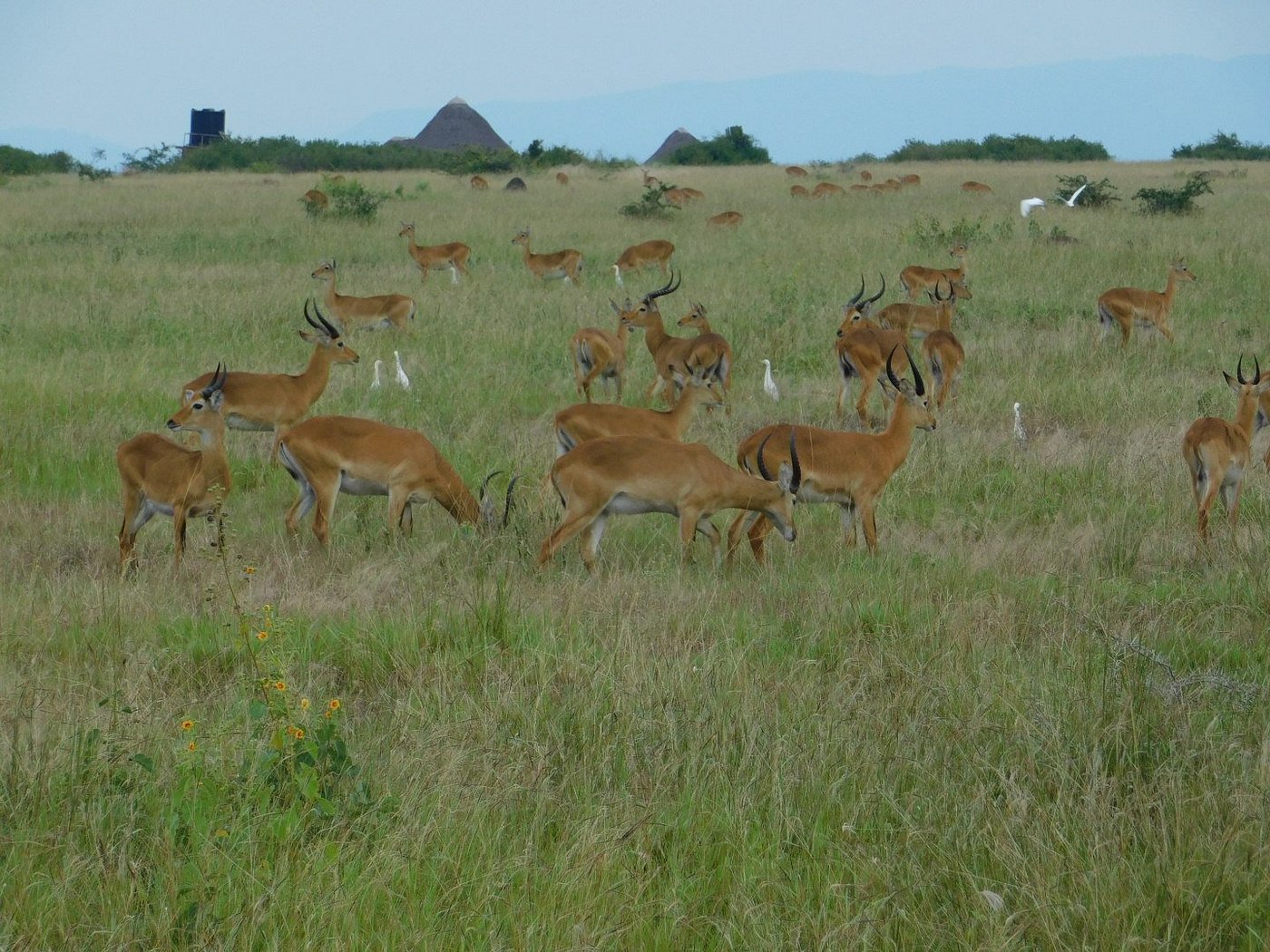
Lions are one of the major attractions in the area, as they are commonly seen hunting antelopes like Ugandan kobs. These large predators are often spotted during game drives, which are the most popular activity for visitors.
Other animals include elephants, buffaloes, and hyenas, and it’s also possible to see leopards, though they can be more elusive. Water sources near the camp bring animals like hippos and crocodiles, especially around Lake George.
The region is also a paradise for birdwatchers. With over 600 bird species, including fish eagles, flamingos, and various herons, it’s famous among bird enthusiasts worldwide.
Guided tours and drives allow guests to safely get closer to the wildlife. Trained drivers and guides help spot and identify animals, sharing interesting details about their behaviors and habitats. For example, a guide might explain how male lions defend their territory or highlight the courtship behaviors of kob antelopes.
What activities are available for guests staying at Kasenyi Safari Camp?
Kasenyi Safari Camp provides a range of activities for its guests, offering a chance to explore the rich natural environment and observe wildlife up close. One of the main attractions is a game drive, which allows visitors to ride through the Queen Elizabeth National Park and observe animals in their natural habitats. Common sightings include lions, elephants, buffalo, and various species of antelope. Early morning and evening drives are often recommended as these are typically the most active times for the wildlife.
Guests can also enjoy birdwatching, as the area surrounding Kasenyi Safari Camp is known for an abundance of bird species. With hundreds of bird species in the park, including fish eagles, kingfishers, and flamingos, this activity appeals to both casual observers and avid bird enthusiasts.
Another option is visiting the nearby Kazinga Channel, a natural waterway teeming with aquatic life. Simply taking a boat trip on the channel opens up unique opportunities to see hippos, crocodiles, buffalo along the banks, and water birds.
For those interested in experiencing the culture of the region, community visits are another activity offered. These visits connect guests with local villages where they can learn about traditional customs, food, and crafts.
Lastly, guided nature walks offer a closer view of the camp’s surroundings, including smaller animals, plants, and insects that are not easily spotted during game drives. Walking through the landscape allows guests to appreciate the ecosystem’s fine details.
With these options, guests have a variety of ways to make the most of their stay while enjoying the beauty and diversity of the area.
How accessible is Kasenyi Safari Camp, and what are the transportation options to get there?
Kasenyi Safari Camp is located within the Queen Elizabeth National Park in Uganda, making it a remote but reachable destination. Travelers have a few options depending on their starting location and preferences.
For international visitors, the journey typically begins at Entebbe International Airport, which is Uganda’s main airport. From there, travelers often take a domestic flight to one of the nearby airstrips, such as Mweya or Kasese airstrip. These are the closest air travel points to the camp, located within a reasonable driving distance.
If guests prefer to travel by road, the camp is approximately a seven to eight-hour drive from Kampala, Uganda’s capital city. The journey can be long but offers scenic views of the Ugandan countryside, with stops along the way to stretch and explore local towns.
Once inside Queen Elizabeth National Park, a 4×4 safari vehicle is often necessary to reach the camp. This is because the roads within the park can be rough and uneven, especially during the rainy season. Many travelers book guided safari tours that include transport to simplify their trip.
The camp also works actively with tour operators, so pre-arranged pick-up services are available. These can include both airport pickups or transfers from major Ugandan towns, making it easier for guests to reach their destination smoothly.
While slightly remote, reaching Kasenyi Safari Camp is a well-structured process, with several transportation options catering to different travel preferences.
What makes Kasenyi Safari Camp unique compared to other safari lodges in the area?
Several factors differentiate Kasenyi Safari Camp from other safari lodges in the area. One standout feature is its location. The camp is situated on the Kasenyi Plains, which are part of Queen Elizabeth National Park and known for their incredible abundance of wildlife. Guests can often spot animals such as lions and antelope directly from the camp, which offers a unique wildlife experience even before stepping out.
Another defining aspect is the camp’s smaller, more intimate setup. While some lodges in the park are larger and more commercial, Kasenyi Safari Camp prides itself on providing a more personal, tailored experience with limited accommodations. This allows the staff to focus on the needs of each guest and ensure a high level of privacy and attention.
The camp also incorporates a combination of luxury and eco-consciousness. Its tents or lodges maintain a balance by offering comfortable amenities like en-suite bathrooms and spacious interiors, while being designed in a way that minimizes environmental impact. Solar energy may often be used here, ensuring sustainable practices while still meeting the needs of guests.
Additionally, the proximity to the Kazinga Channel and regular sightings of lions and other iconic species make the location especially appealing to wildlife enthusiasts. Being slightly more secluded, it also avoids feeling overly crowded compared to larger resorts in the park.
Finally, the camp’s commitment to blending natural beauty with thoughtful, high-quality service ensures it offers something distinct compared to other options in the area.
Is Kasenyi Safari Camp family-friendly, and what facilities are available for children?
Kasenyi Safari Camp is generally considered family-friendly, though it’s best for families with older children who can enjoy and understand the safari experience. The camp is located in a wild environment, which might not be ideal for very young children who require constant supervision. Still, families with children are welcome to stay, and there are measures in place to make their visit comfortable and engaging.
The main focus of the camp revolves around wildlife and nature, so it’s an excellent opportunity for children to learn about animals and conservation through firsthand observation. Kasenyi Safari Camp offers spacious accommodations, often large enough to include extra beds for children, enabling families to stay together in comfort.
The camp prioritizes safety by including trained staff and providing guidance on how to interact with and observe nature responsibly. Special precautions are also taken to ensure the safety of younger visitors around the lodge and in the bush.
For older children, guided activities like nature walks (accompanied by experienced rangers) may be both fun and educational. However, there are fewer formal facilities specifically designed for kids, such as dedicated play areas or childcare services, compared to what you might find in a city hotel. Therefore, it’s recommended that families plan accordingly and bring activities or games to keep younger children entertained during downtime.
If considering a stay with younger family members, reaching out to the camp in advance would help to confirm any tailored family-oriented options they might be able to offer.
What is the cost of staying at Kasenyi Safari Camp, and are there package deals?
The cost of staying at Kasenyi Safari Camp can vary significantly depending on the season, available promotions, and the type of accommodation selected. On average, a guest can expect to pay anywhere between $200 to $400 per person, per night, based on double occupancy. The price often includes lodging, meals, and some activities like guided game drives, but it’s important to confirm the specifics when booking.
The camp often provides package deals that cover not only accommodation but also guided safaris, meals, and even pickup services from nearby locations. These packages can offer better value, particularly for longer stays or for those traveling in groups. For example, a 3-day, 2-night safari package might include accommodations, several meals, and two game drives each day, making it an attractive option for first-time visitors or those who prefer a more structured itinerary.
Costs could also vary based on the time of year. The peak season, when wildlife viewing tends to be at its best, often falls between June and September, leading to higher prices and less availability. During the low or rainy season, usually around April or May, prices may drop substantially, and promotional discounts may be available.
Visitors interested in Kasenyi Safari Camp are advised to reach out directly for specific details on pricing, availability, and promotions that might apply to families, couples, or group travelers. Importantly, travelers should also consider additional fees like national park entry permits, which are generally not included in basic accommodation costs, when calculating the total expense for their trip.
Are meals and other amenities included at Kasenyi Safari Camp?
Yes, meals are included in the cost of most stays at Kasenyi Safari Camp. The camp typically offers full-board meal plans, meaning breakfast, lunch, and dinner are provided during the stay. These meals are freshly prepared and often feature a mix of local and international cuisine, catering to a wide range of tastes and dietary requirements. It’s always a good idea to inform the camp ahead of time about specific food allergies or preferences to ensure proper accommodations.
The meals are typically served in a communal dining area or sometimes outdoors, providing a pleasant environment to enjoy the natural surroundings. Tea, coffee, and light snacks may also be available throughout the day, though premium drinks like alcohol could cost extra depending on the package or service arrangement.
Other amenities often included in the stay are housekeeping services, laundry facilities (may incur an extra fee), and secure accommodations with essentials like mosquito nets to ensure comfort. For guests engaging in safari activities, the camp generally provides professional guides and game vehicles as part of the experience.
Additional features such as Wi-Fi, charging facilities, and access to communal areas like a lounge or observation deck may also be part of the amenities available. Some camps might offer wellness services like massage or yoga sessions for an added fee.
It’s recommended to confirm what is included in the booking price before finalizing plans to avoid surprises. Travelers should also ask about any optional services or excursions that might come at an additional cost.
What is the best time of year to visit Kasenyi Safari Camp for the best wildlife viewing?
The best time to visit Kasenyi Safari Camp for wildlife viewing largely depends on the seasonal patterns in the region. Kasenyi Safari Camp is located in Queen Elizabeth National Park, Uganda, an area with predictable tropical weather patterns that include dry and rainy seasons. The dry seasons, typically spanning from December to February and June to September, are regarded as the prime times to visit for wildlife viewing.
During the dry seasons, water sources become scarce, so animals like lions, elephants, antelopes, and buffalo gather near waterholes and rivers. This concentration of animals makes them easier to spot, even from a distance. Additionally, the grass is shorter and less dense, which improves visibility when you’re on a game drive.
The rainy seasons, from March to May and October to November, bring lush greenery, making the landscape beautiful but also reducing the chances of easily spotting animals hiding in the tall grass. Roads and trails may also become muddy or inaccessible during heavy rains, which can disrupt safari activities. However, it’s worth noting that bird enthusiasts often prefer this period as migratory birds arrive, increasing the diversity of bird species in the park.
As an example, if you’re interested in seeing predators like lions on a hunt, visiting during the dry season is ideal since prey animals remain near water sources, creating more predictable patterns for predator-prey interactions. On the other hand, if you enjoy quieter experiences with fewer tourists, the rainy season offers a peaceful alternative, even if the wildlife encounters are less consistent.
In summary, the dry season is the best overall choice for optimal wildlife viewing and easier safari logistics at Kasenyi Safari Camp.
How does Kasenyi Safari Camp promote sustainable tourism and conservation?
Kasenyi Safari Camp plays an active role in supporting sustainable tourism and conservation efforts within Queen Elizabeth National Park and the surrounding areas. By promoting environmentally conscious practices, the camp contributes both to the protection of wildlife habitats and to the well-being of local communities.
The camp minimizes its environmental footprint by implementing practices such as using solar energy for most of its power needs. Solar power reduces reliance on generators that might otherwise emit harmful fumes. Additionally, the camp uses eco-friendly waste management systems to handle wastewater and minimize pollution of the surrounding natural areas.
For conservation, Kasenyi Safari Camp actively supports anti-poaching initiatives. Poaching remains a threat to Uganda’s wildlife, and the camp collaborates with local park authorities to fund and facilitate patrols that protect endangered animals, including lions, elephants, and leopards. Guests staying at the camp indirectly contribute to these conservation activities, as a portion of the camp’s revenue is channeled into such efforts.
On a community level, Kasenyi Safari Camp employs local residents, offering them job opportunities and improving their livelihoods. Many of the camp staff members come from nearby villages, fostering a close relationship with the surrounding communities. By financially supporting schools, health clinics, and cultural programs in these areas, the camp ensures that its presence benefits more than just tourists.
For example, guided nature walks organized by the camp often include visits to local villages, allowing guests to connect with Ugandan culture while also generating additional income for the community. These cultural exchanges help reinforce the importance of preserving wildlife while enabling locals to see the advantages of conservation tourism.
In conclusion, Kasenyi Safari Camp integrates conservation into its operations and maintains a commitment to supporting both wildlife and local communities. This approach ensures that visitors can enjoy their stay knowing they are contributing to a sustainable and ethical travel experience.
Are guided safaris or tours included with the stay at Kasenyi Safari Camp?
Yes, guided safaris are typically included as part of the guest experience at Kasenyi Safari Camp. These guided tours are one of the main highlights of staying at the camp, as they offer visitors the chance to explore Queen Elizabeth National Park’s abundant wildlife under the guidance of trained professionals.
The camp arranges game drives led by knowledgeable guides who are familiar with the park’s terrain and wildlife. Morning game drives are quite popular since animals are most active during the cooler hours. The guides take visitors through Kasenyi Plains, a well-known section of the park famed for its lions and their prey, such as Uganda kob. Evening drives serve as a different experience, giving you the chance to observe nocturnal animals like leopards and hyenas.
Trips to other areas of interest, such as the Kazinga Channel, may also be available. Guided boat tours along the Kazinga Channel allow guests to observe hippos, crocodiles, and a variety of birds at close range. These guided excursions are generally considered safe and expertly managed, making them suitable for wildlife enthusiasts of all experience levels.
Walking safaris are another possible option, although these are more specialized and may have an additional cost. These walks are particularly interesting for guests who want to focus on smaller species, insects, and plants while learning about the ecosystem from a trained guide.
For those wondering if they need to pay extra, it might vary depending on the specific booking package. Most standard rates at Kasenyi Safari Camp include a set number of guided game drives. However, bespoke tours or private safaris may require additional fees.
To summarize, Kasenyi Safari Camp provides a variety of professionally guided safari options, ensuring that guests have an engaging and informative wildlife experience during their stay.
How To Book Your Safari in Uganda
Now that you know what Kasenyi Safari Camp offers, why it’s a must-visit, and how it brings you closer to nature in Queen Elizabeth National Park, it’s time to plan your adventure! For a hassle-free booking process and customized guidance, reach out to one of the trusted Uganda Safari Companies. Let the experts help you create a memorable safari experience at Kasenyi Safari Camp. Get ready to explore Uganda’s wildlife wonders!