Experiential Tourism in Queen Elizabeth National Park
Experiential tourism in Queen Elizabeth National Park offers unique activities that immerse visitors in Uganda’s wildlife and culture. Situated in western Uganda, this national park is a highlight of Uganda safaris, providing opportunities like wildlife tracking for elephants, lions, and chimpanzees, birdwatching with over 600 bird species, and guided boat safaris along the Kazinga Channel. Visitors can also engage with local communities through cultural tours, including traditional music, dancing, and storytelling. Travelers seeking to visit Uganda will find this park ideal for experiencing its rich biodiversity and vibrant local heritage, making it a top destination for adventure and education.
What are the main attractions and activities offered in Queen Elizabeth National Park?
Queen Elizabeth National Park, located in western Uganda, is rich in activities and features that appeal to a wide range of travelers. The park offers incredible opportunities to witness wildlife, landscapes, and cultural interactions.
A major draw is the Kazinga Channel, a natural waterway connecting Lake Edward and Lake George. Boat safaris here provide up-close views of hippos, crocodiles, elephants, and water birds, all from the safety of a guided boat. This is one of the most popular attractions in the park.
The Ishasha sector is particularly famous for its tree-climbing lions, a rare behavior for this iconic predator. Watching lions resting in the branches of large fig trees offers a unique sight you can’t find in many other places.
There are also opportunities for game drives, where visitors explore the savanna in search of other animals like buffalo, antelopes, leopards, and hyenas. These drives are usually guided by experts who help identify the different species and explain their behaviors.
Bird watchers are drawn to the park due to its rich diversity of bird species, with over 600 recorded varieties. Marabou storks, saddle-billed storks, and African fish eagles are some highlights for birding enthusiasts.
For those seeking a cultural element, interacting with the Bakonzo and Banyankole communities near the park introduces visitors to local traditions and daily life. Visitors can join in activities such as food preparation, traditional dances, and discussions about their connection to the park.
By offering a wide mix of wildlife, landscapes, and cultural experiences, Queen Elizabeth National Park provides visitors with varied activities to enjoy.
How does experiential tourism enhance the visitor’s connection with nature and local culture in the park?
Experiential tourism encourages visitors to engage more deeply with both nature and the local culture, transforming a regular trip into an emotionally enriching experience. At Queen Elizabeth National Park, this type of tourism is designed to help visitors feel more connected to what they see and learn during their stay, rather than simply observing from a distance.
When visitors participate in hands-on activities, such as guided walking safaris, they are not just viewing wildlife from a car but learning about how ecosystems function up close. For example, a guide might teach them how to identify different animal tracks, explain why certain plants grow in certain regions, or discuss animal behavior. Such direct interactions foster a sense of curiosity and appreciation for the environment.
In terms of local culture, experiential activities such as visiting nearby villages or attending traditional performances bring visitors face-to-face with the people who live around the park. Guests might find themselves learning how to weave baskets from local residents, visiting schools, or discussing how the communities benefit from conservation efforts. These moments create appreciation and respect for the cultures people encounter, making the trip feel more meaningful.
The combination of interacting with nature and learning from local cultures means visitors often leave feeling like they’ve truly been part of the place they visited. By making the trip feel more personal, experiential tourism turns a casual vacation into one that builds lasting connections and encourages visitors to spread awareness about protecting such areas for the future.
What types of wildlife can be seen in Queen Elizabeth National Park during an experiential visit?
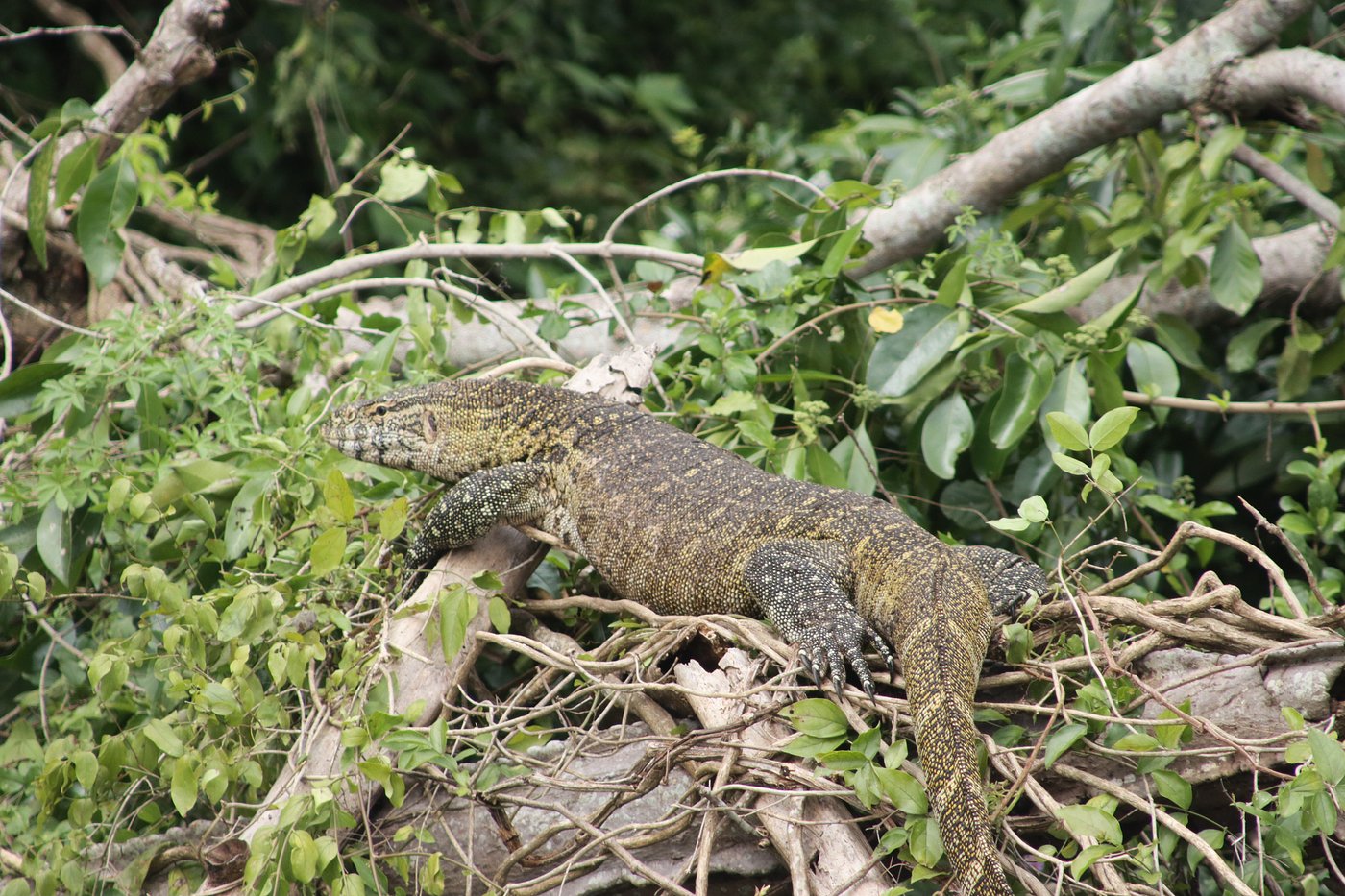
Queen Elizabeth National Park is known for its rich variety of wildlife, making it one of Uganda’s most popular destinations for nature enthusiasts. Visitors encounter a mix of mammals, birds, and reptiles, all within their natural habitats.
The park is home to over 95 mammal species. Among these, the “Big Four” predators (lion, leopard, elephant, and buffalo) are frequently spotted. A special highlight is the presence of the tree-climbing lions in the Ishasha sector. Unlike other lions, the ones here are often found perched high in trees, usually fig trees, during the heat of the day.
Another key attraction is the hippopotamus population. Along the famous Kazinga Channel, visitors can see these massive creatures cooling off in the water or resting on the banks. Crocodiles are also commonly seen in the same waters.
Primates such as chimpanzees are a major draw. Kyambura Gorge, located within the park, provides an opportunity to see these intelligent animals in their forest habitat. Vervet monkeys, olive baboons, and black-and-white colobus monkeys are also commonly encountered in the park’s forested areas.
Queen Elizabeth National Park also boasts over 600 bird species, making it a paradise for birdwatchers. Rare birds like the shoebill stork, African fish eagle, and pink-backed pelicans are frequently sighted. These birds are often seen along water sources such as Lake Edward, Lake George, and the Kazinga Channel.
Finally, tourists might spot other mammals like warthogs, hyenas, various antelope species (like Uganda kob and waterbucks), and the elusive giant forest hog. Nocturnal game drives are also available for visitors interested in seeing animals that are active after dark, such as civets or genets.
Are there opportunities for guided tours or interactive experiences with local communities around the park?
Yes, there are many opportunities to combine a visit to the park with guided tours or activities involving local communities. These experiences help visitors connect to the people and culture of the region. By choosing such options, travelers get to interact with locals while gaining a deeper understanding of life near the park.
One popular activity involves visiting the Kikorongo Women’s Community. Here, women showcase traditional crafts, including basket weaving and bead making. Visitors can watch demonstrations or participate in making their own small souvenirs. This program supports the community financially while preserving local traditions.
Another impactful experience is attending music, dance, or storytelling sessions in villages nearby. Local performers often showcase dances based on their tribe’s cultural heritage. For example, the Bakonzo people often perform traditional dances which parallel the park’s lush surroundings.
Visitors can also participate in agricultural walks or salt mining demonstrations. Around Lake Katwe, which lies inside the park, local workers show how they extract salt using methods passed down through generations. The experience is hands-on, and guides explain the importance of this trade to the local economy.
There are also community-guided nature walks along the park’s boundaries. In these tours, locals share ancient tales and customs connected to the wildlife. For example, guides may talk about the special relationships their ancestors believed connected them to animals like lions or hippos.
Finally, some lodges or safari organizers arrange home visits, providing tourists a chance to see how families live, cook, and farm. These interactions offer an authentic look into everyday life in rural Uganda. Not only do you come away with knowledge, but your participation directly supports these communities, as tour fees often fund local development projects.
What cultural experiences are available in conjunction with a visit to Queen Elizabeth National Park?
There are several cultural opportunities available near Queen Elizabeth National Park, allowing visitors to enrich their trip by learning about the beliefs, arts, and daily lives of the surrounding communities. These experiences complement wildlife safaris and encourage visitors to gain a well-rounded perspective of the area.
One key cultural experience involves visiting the Leopard Village, an eco-tourism site promoting conservation through community education. Local tribes, such as the Basongora, Bakonzo, and Banyabindi people, share their traditions, including dance, music, and storytelling sessions. Marketplaces in villages also display unique handmade items like woven baskets and pottery that you can purchase.
Another charming cultural activity centers on traditional music and dance ceremonies. You can witness performances by local groups wearing brightly colored attire and playing traditional instruments like drums. Festivals, when timed correctly, provide even richer cultural experiences, often showcasing Uganda’s diversity.
For those more curious about older traditions, herding demonstrations by the Basongora pastoralists near Lake Edward teach visitors about cattle-keeping methods that have been relied on for centuries. The Basongora are known for their reliance on Ankole longhorn cattle, which have shaped their way of life.
Lastly, food-related activities are also common. You can join locals in preparing traditional Ugandan meals such as matoke (mashed plantains), roasted goat meat, or ugali (maize porridge). Such culinary sessions blend storytelling about food origins with hands-on preparation.
These cultural activities provide insight into how communities live harmoniously alongside Queen Elizabeth National Park and its wildlife. Participating in them not only offers visitors educational value, but also ensures economic support for local people through tourism incomes.
How does experiential tourism in Queen Elizabeth National Park contribute to sustainable travel?
Experiential tourism in Queen Elizabeth National Park helps promote sustainable travel by creating connections between visitors, nature, and local communities, all while minimizing environmental harm. It focuses on activities that allow people to learn, engage, and appreciate the natural environment and the local way of life, encouraging responsible behavior during their travels.
One important way this happens is through supporting local economies. When visitors take part in activities like village tours or cultural workshops, they often pay local guides or purchase handmade goods. This money stays within the community, boosting income and encouraging sustainable use of resources. For example, a tourist purchasing a locally crafted souvenir helps reduce reliance on practices like overfishing or deforestation.
Another aspect involves protecting wildlife and the park’s ecosystems. Experiential tourism focuses on activities such as birdwatching, guided nature walks, and safaris, which rely on the health of the environment. Revenue generated from tourism, including park entrance fees and guided tours, is reinvested into conservation programs. For instance, funds might be used for anti-poaching patrols or habitat restoration efforts, directly protecting species like lions, elephants, and rare birds.
Additionally, experiential tourism encourages low-impact activities. Instead of relying on large-scale development, tourists engage in eco-friendly options like boat rides on the Kazinga Channel or learning from local farmers. These activities minimize harm to the environment while still offering memorable, meaningful experiences.
By fostering education about conservation and encouraging responsible travel, experiential tourism motivates visitors to respect local traditions and wildlife. This creates a cycle where communities benefit economically, tourists enjoy enriching experiences, and nature is preserved for future generations.
What is the significance of the park’s biodiversity and conservation efforts?
Queen Elizabeth National Park is a biodiversity hotspot, meaning it’s home to an extraordinary variety of wildlife, plants, and ecosystems. Its biodiversity is significant because it supports ecological balance, contributes to global conservation goals, and sustains both wildlife and human populations.
The park boasts over 600 species of birds and 95 species of mammals, including iconic animals like tree-climbing lions, elephants, hippos, and leopards. These animals are vital to maintaining the park’s ecological health. For example, elephants help shape the landscape by clearing vegetation, which in turn provides food for smaller animals. Birds like storks and vultures help clean up carrion, reducing the spread of disease.
Conservation efforts play a critical role in protecting this biodiversity. The park faces threats like poaching, habitat loss, and climate changes, all of which can disrupt the delicate balance of its ecosystems. To combat these challenges, initiatives such as anti-poaching patrols and community education programs are in place.
One notable program involves working with local communities to reduce human-wildlife conflicts. For instance, farmers near the park face issues with elephants raiding crops. By introducing barriers like beehives (since elephants avoid bees), both the crops and elephants are protected. Such strategies help reduce tensions and increase local support for wildlife conservation.
The park’s biodiversity also holds global importance. Rare and endangered species like the shoebill and giant forest hog highlight the need for international conservation partnerships. Tourists visiting the park contribute financially to these efforts, as entrance fees and proceeds from guided tours go directly toward funding research, monitoring, and protective measures.
By preserving biodiversity, Queen Elizabeth National Park ensures the resilience of ecosystems, supports local livelihoods, and provides a natural wonder for future generations to appreciate and protect.
What accommodations and facilities are available for tourists visiting the park?
Queen Elizabeth National Park offers a range of accommodations and facilities to suit diverse budgets and preferences, allowing visitors to stay comfortable while enjoying everything the park has to offer.
For high-end travelers, luxury lodges such as Mweya Safari Lodge and Katara Lodge provide amenities like spacious rooms, fine dining, swimming pools, and guided tours. These lodges often have stunning views of nearby lakes or savannahs and focus on blending comfort with natural surroundings.
Mid-range options include comfortable safari lodges like Enganzi Game Lodge or Ihamba Lakeside Safari Lodge. These often provide cozy rooms, restaurants, and sometimes guided activities like nature walks or boat rides. They offer a great balance between affordability and comfort.
For budget-conscious visitors, guesthouses and campsites are readily available. Facilities like Pumba Safari Cottages or Simba Safari Camp provide basic yet comfortable accommodations with access to meals and expert local guides. Several campsites inside and near the park allow tourists to set up tents, providing an even closer connection to nature.
The park features several visitor-friendly facilities. The Mweya Information Centre serves as a learning hub, offering information about the park’s wildlife, ecosystems, and conservation activities. Additionally, the Kazinga Channel offers boat cruises with dedicated boarding points, and clearly marked trails make it easy for tourists to explore on foot or via guided safari drives.
Dining options range from lodge restaurants, which serve international and local cuisine, to local eateries in surrounding communities. A few accommodations also offer picnic services for on-the-go meals during park explorations.
In summary, Queen Elizabeth National Park caters to a variety of preferences through its extensive accommodations and facilities, ensuring visitors can enjoy the park’s beauty while staying within their desired level of comfort.
How can visitors participate in conservation or eco-tourism initiatives within the park?
Visitors can join conservation and eco-tourism activities at Queen Elizabeth National Park by engaging in efforts that contribute to protecting the park’s ecosystem and supporting the local communities. Many of these initiatives are designed to promote environmental awareness while creating a positive impact.
One way to participate is by joining wildlife monitoring programs. For instance, visitors can work alongside researchers and trained park staff to track and gather information on animals like lions, elephants, or chimpanzees. By observing and recording wildlife behavior, tourists help in collecting critical data that supports conservation efforts.
Tree planting initiatives are another option. Since some areas around the park face environmental degradation, tree planting efforts aid in restoring habitats for the animals and preventing soil erosion. Travelers can actively contribute to reforestation efforts during their visit.
Another practical way is through community-based conservation projects. These include supporting local handcraft cooperatives or sustainable farming programs. Purchasing handmade crafts or participating in these initiatives not only provides income for local residents but also helps strengthen their relationship with conservation. When communities directly benefit from the park, they are more likely to protect its resources.
Eco-tourism guidelines can also be followed by minimizing your environmental footprint. This might mean avoiding single-use plastics, sticking to designated trails, or opting for accommodations that practice sustainable tourism principles.
For an even more hands-on experience, visitors could volunteer through organized conservation internship programs. These may involve patrolling for illegal activities, removing invasive plant species, or conducting biodiversity research.
By participating in such activities, visitors help conserve the unique environment and wildlife of Queen Elizabeth National Park, while learning more about the challenges and efforts behind preserving natural and cultural heritage.
What are the best times of the year to visit Queen Elizabeth National Park for an optimal experiential tourism experience?
The most suitable time to visit Queen Elizabeth National Park is during the dry seasons, which occur from June to August and from December to February. These months typically offer better wildlife viewing conditions and are considered ideal for experiencing the park’s diverse offerings.
During the dry season, animals are easier to spot because vegetation is less dense, and many species gather around water sources like rivers and lakes. This makes it particularly good for safari drives and boat rides along the Kazinga Channel, where visitors might spot elephants, buffaloes, hippos, and crocodiles.
The dry season also coincides with a lower chance of rain, making it comfortable for outdoor activities, such as nature walks, birdwatching, and chimpanzee trekking in places like the Kyambura Gorge. Roads and trails within the park are less muddy, reducing the likelihood of interruptions or accessibility challenges.
Although the dry seasons are ideal, the wet seasons (specifically March to May and September to November) have their own appeal. These months usually bring fewer crowds, making the experience more peaceful for travelers. This period is also the best time for birdwatching since migratory species join the park’s already rich variety of birds. Visitors may, however, encounter some difficulties with muddy terrain because of occasional heavy rains.
Ultimately, choosing the best time depends on whether visitors prioritize easier animal sightings or a quieter, less crowded experience. Planning around these seasonal conditions ensures that tourists enjoy the park fully while tailoring their visit to specific interests, such as safaris or birdwatching.
How can travelers create personalized and immersive itineraries for their visit to Queen Elizabeth National Park?
Travelers can plan custom trips to Queen Elizabeth National Park by focusing on specific interests and adding activities that align with their goals, such as safaris, cultural interactions, or conservation efforts. Building an itinerary begins with understanding what the park has to offer and selecting from the wide range of experiences available.
Start by identifying your primary focus. For wildlife enthusiasts, include different types of safaris: game drives for spotting large mammals like lions and elephants, boat safaris on the Kazinga Channel for observing hippos and bird species, and chimpanzee trekking for a closer look at primates in the Kyambura Gorge.
For those with an interest in cultural immersion, include visits to nearby communities, such as the local fishing villages. Here, travelers can learn traditional practices, try local foods, or observe dance performances. Supporting community projects by purchasing crafts is also a meaningful way to connect with the region’s culture.
Conservation-minded visitors might include activities like participating in wildlife monitoring programs or contributing to reforestation projects. Tourists with families or larger groups can ensure their itineraries balance adventure with leisure options like scenic picnics or short educational tours.
Staying in accommodations located inside the park or managed by surrounding communities also adds to an immersive schedule. Lodges and camps with eco-friendly operations ensure a more intimate experience with nature. Some even provide customizable packages that combine safaris, cultural visits, and relaxation options.
Finally, build in flexibility to allow for spontaneous opportunities, such as joining a ranger-led nature walk or exploring a unique trail. By considering personal preferences and seeking local expertise, travelers can create an itinerary that feels both tailored and memorable while exploring the park.
How To Book Your Safari in Uganda
Experiential tourism in Queen Elizabeth National Park offers a unique way to discover wildlife, cultures, and breathtaking landscapes. This guide clarified what experiential tourism entails, how visitors can actively engage with the environment, and why this destination stands out for such adventures. Ready to plan your unforgettable trip? Contact one of the trusted Uganda Safari Companies to customize your safari experience and bring your adventure to life! Your perfect Ugandan getaway is just a click away.