Guided Safaris in Uganda
Guided safaris in Uganda offer unforgettable experiences in Queen Elizabeth National Park, Murchison Falls National Park, and Bwindi Impenetrable Forest, known for its gorilla trekking. On a Uganda safari, visitors can explore diverse wildlife, including elephants, lions, and chimpanzees, while enjoying guided game drives, boat cruises, and nature walks. Travelers often visit Uganda for its stunning landscapes, cultural richness, and unique encounters with endangered species like mountain gorillas. Popular activities include wildlife viewing on the Kazinga Channel and birdwatching with over 1,000 species. These safaris suit nature enthusiasts and those seeking both adventure and relaxation, paired with knowledgeable guides who ensure a safe and enriching experience exploring Uganda’s natural heritage.
What is a guided safari and how does it work in Uganda?
A guided safari in Uganda is a planned journey through designated wildlife areas, where a professional guide accompanies participants to provide knowledge about the landscape, wildlife, and culture. The guide is often trained in identifying flora and fauna, tracking animals, and ensuring safety throughout the trip. These safaris give travelers an opportunity to explore Uganda’s national parks and reserves in a structured and insightful way.
The process usually begins when you book a safari with a reputable tour operator. This operator organizes your trip, including accommodations, guides, vehicles, permits, and planned activities. Once the trip begins, participants are taken on game drives in specially designed 4×4 vehicles, nature walks, or even boat safaris, depending on the specific itinerary.
The guide offers insight about the ecosystem and points out wildlife such as lions, elephants, or rare birds, often with help from local spotters. If the safari includes specialized activities like gorilla or chimpanzee trekking, the guide provides instructions and ensures compliance with local rules, such as maintaining distance from the primates and limiting group sizes.
Guided safaris also often include stops to visit local communities, support conservation projects, or simply eat a meal in the midst of stunning natural surroundings. Some safaris may also cater to particular interests, like birdwatching or photography.
An example of how this works in Uganda could be visiting Queen Elizabeth National Park for a boat safari on the Kazinga Channel. The guide navigates travelers through the water while pointing out hippos, crocodiles, and numerous bird species along the way. Everything is organized and explained, allowing visitors to focus on enjoying the experience.
What are the top national parks and reserves to visit on a safari in Uganda?
Uganda has several celebrated national parks and reserves that offer incredible encounters with nature. The top places for safaris typically include:
- Bwindi Impenetrable National Park: Famous for its population of mountain gorillas, this UNESCO World Heritage Site is ideal for gorilla trekking. Hikers venture into the dense forest to observe gorillas in their natural habitat, guided by highly skilled trackers.
- Queen Elizabeth National Park: Known for its diverse ecosystems, this park is home to lions (including the famous tree-climbing lions), elephants, buffalo, and an array of birdlife. The Kazinga Channel is a major highlight for boat safaris.
- Murchison Falls National Park: This park offers game drives for spotting large mammals like elephants and giraffes, as well as a boat ride to the bottom of the breathtaking Murchison Falls.
- Kibale National Park: Renowned for its chimpanzee population, this forest is often visited for chimpanzee trekking, which involves following a guide to find chimps swinging through tree canopies.
- Kidepo Valley National Park: Its remoteness makes it less crowded while offering scenic views and large populations of animals like lions, cheetahs, and zebras.
- Lake Mburo National Park: Smaller in size, this park is known for its zebras, antelopes, and lakes. Tourists may explore it on walking safaris or by cycling.
Each park offers unique attractions, meaning travelers often combine visits to multiple parks in one itinerary. For example, you could start with chimpanzees in Kibale, track gorillas in Bwindi, and take a boat safari in Queen Elizabeth.
What wildlife can be expected to see on a guided safari in Uganda?
Uganda has an impressive range of wildlife due to its combination of savanna, forest, and freshwater habitats. Visitors on guided safaris encounter Big Game animals, primates, and a variety of birds, among other species.
The Big Five animals often seen are lions, elephants, buffalos, and leopards, though rhinoceroses are limited to a sanctuary at Ziwa Rhino & Wildlife Ranch.
In forested areas like Bwindi and Kibale, some of the most sought-after species include mountain gorillas and chimpanzees. Gorilla trekking involves hiking to find a family group in Bwindi, while chimpanzee trekking in Kibale delivers sightings of their playful and social behavior.
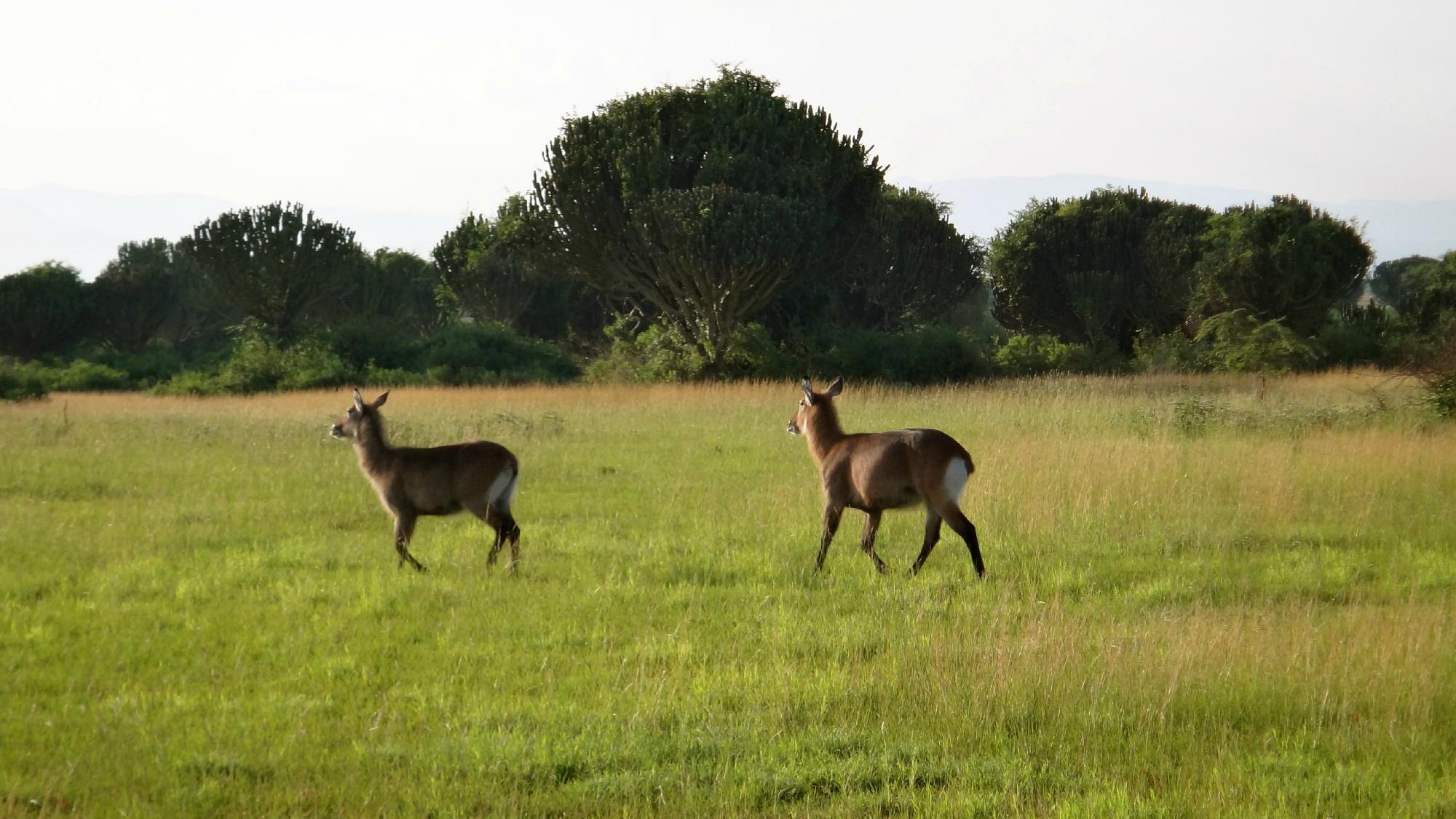
On the savanna, visitors can expect to spot zebras, giraffes, Uganda kobs (antelopes), and tree-climbing lions in Queen Elizabeth National Park. Other predators such as hyenas and cheetahs are more commonly sighted in places like Kidepo Valley National Park.
Birdwatchers will be thrilled with Uganda’s abundance, featuring over 1,000 bird species. Some standout birds include the shoebill stork, African fish eagle, and gray crowned crane (Uganda’s national bird).
Aquatic wildlife is also present, with hippos, crocodiles, and a variety of fish species populating water systems like the Kazinga Channel in Queen Elizabeth or the Nile River in Murchison Falls.
Depending on the specific location and the type of safari, many tours specialize in observing a combination of iconic animals, including mammals, reptiles, and birds. For example, a river cruise in Murchison Falls might showcase hippos and elephants drinking on the banks.
How do guided safaris in Uganda differ from self-drive safaris?
Guided safaris and self-drive safaris in Uganda offer very different experiences. Guided safaris involve having a professional tour guide or ranger accompany you throughout the trip. The guides are experts who know the area, can interpret animal behavior, and ensure your safety. They also handle the logistics, such as navigating the often-challenging roads, planning the route, and communicating with park authorities. This means you can focus on enjoying the experience without worrying about any organizational details.
On the other hand, self-drive safaris involve renting a vehicle and exploring the parks on your own. While this gives you more independence and flexibility, it also requires significant planning. You need to be familiar with the driving laws, comfortable handling potential mechanical issues, and prepared for potentially difficult terrain. Additionally, you may miss out on some of the best wildlife sightings since guides usually have insider knowledge about where to locate animals.
For example, if you’re near Queen Elizabeth National Park, a guide might know where lions are likely to be spotted that day based on their habits. In contrast, on a self-drive safari, you would rely solely on chance and maps. Guided safaris also improve safety, such as avoiding areas known to have aggressive animals or unsafe roads.
What is the best time of year to go on a guided safari in Uganda?
The best time for a guided safari in Uganda is during the dry seasons, which occur from June to August and from December to February. These months are ideal because the roads are more accessible, and the wildlife gathers around water sources, making them easier to spot.
During the rainy seasons, which occur from March to May and October to November, safaris can still be done, but you may face challenges like muddy roads. However, the rain brings lush vegetation and fewer visitors, which some travelers may prefer.
If you want to trek to see gorillas or chimpanzees specifically, the dry season is particularly helpful since the forest trails are easier to hike. For bird enthusiasts, the rainy season may offer an advantage as migratory birds arrive at that time.
What permits or documents are required for specific activities, like gorilla trekking?
For activities like gorilla trekking, a gorilla trekking permit is mandatory. The permit allows you to spend one hour observing a gorilla group in its natural habitat. In Uganda, permits can be obtained either from the Uganda Wildlife Authority (UWA) or a licensed tour operator.
The cost of a permit is currently around $700 per person for international visitors. For East African citizens, the cost is lower. Permits need to be booked well in advance, sometimes months ahead, as only a limited number are issued each day to protect the gorillas and limit human impact.
In addition to the permit, you’ll need a valid passport and, depending on your country, a visa to enter Uganda. If you are traveling to a yellow fever-endemic country or transiting through one, a yellow fever vaccination certificate is required.
Keep in mind, permits like these are location-specific. For example, gorilla trekking is done in parks such as Bwindi Impenetrable Forest and Mgahinga Gorilla National Park. If you also want to participate in chimpanzee trekking, you’ll need a separate permit for locations like Kibale National Park.
How long do typical guided safaris in Uganda last?
Guided safaris in Uganda can vary significantly in length, but most itineraries range from 3 days to 14 days, depending on the traveler’s schedule, budget, or interests.
A short safari, generally lasting 3 to 5 days, may focus on visiting one or two key locations. For example, a 3-day trip might involve gorilla trekking in Bwindi Impenetrable National Park or chimpanzee tracking in Kibale Forest National Park, paired with a quick game drive at nearby savannah parks like Queen Elizabeth National Park.
For longer safaris, between 7 to 14 days, participants can explore multiple regions of the country. A 10-day itinerary might include stops at Murchison Falls National Park, Kibale Forest, Bwindi Impenetrable National Park for gorillas, and Lake Mburo. These trips often balance wildlife viewing, cultural experiences, and downtime.
Customized itineraries are also popular. Some travelers may opt for longer stays to immerse themselves in specific activities like bird-watching or to add relaxed days for exploring communities and conservation projects. Ultimately, the length is influenced by individual preferences and the type of safari one chooses (e.g., wildlife-focused, adventure, or all-inclusive luxury).
To ensure satisfaction, it’s important to plan according to your time and energy levels, factoring in multiple travel days between parks due to varying distances in the region.
What are the costs associated with guided safaris in Uganda?
The cost of a guided safari in Uganda is influenced by several factors, including the length of the trip, level of accommodation (budget, midrange, or luxury), and the activities included. On average, costs range between $1,000 and $10,000+ per person, depending on these variables.
For an affordable safari, travelers typically spend around $150 to $300 per day. This might include basic accommodations like tents or budget lodges, game drives, some meals, and a guide.
Midrange safaris cost approximately $300 to $600 per day, offering stays in more comfortable lodges or camps, better meals, and a wider range of wildlife-viewing experiences.
Luxury safaris can cost $800+ per day, including high-end lodges with full amenities, tailored travel arrangements, and personalized guides. These packages often include extras like private boat safaris or air charters to avoid long drives.
Special activities like gorilla trekking permits significantly impact costs. These permits are priced at $700 per person (as of 2023). Chimpanzee trekking permits are around $200-$250. Other fees such as national park entrance fees (about $40-$50 per day) also contribute.
Hidden costs might include tips for guides, drinks, or souvenirs. Many packages are all-inclusive, covering meals, park fees, and transportation, but travelers should confirm what’s included to avoid unexpected expenses. Planning within your budget can help choose a safari that fits both your financial and experiential goals.
What safety measures are in place for participants on a guided safari?
Uganda’s guided safaris prioritize visitor safety, focusing on protection from wildlife, secure travel, and health precautions.
Safety when around wildlife is ensured by experienced guides. These professionals understand animal behavior and advise safari-goers on keeping a safe distance from animals. During activities like gorilla trekking, participants are briefed ahead of time on proper behavior, such as avoiding sudden movements or loud noises that could stress the animals.
Vehicles used for safaris are often enclosed or fitted with pop-up roofs, offering protection while still allowing excellent views. Night game drives are escorted to prevent human-wildlife conflict, and walking safaris always include an armed ranger for added security.
Transportation safety is also a priority. Tour operators use reliable vehicles and drivers familiar with local road conditions. In remote areas, backup plans are emphasized in the event of vehicle breakdowns or delays.
From a health perspective, tour operators encourage vaccinations, such as for yellow fever, and malaria precautions, including antimalarial medication and insect repellent. Clean drinking water is typically supplied during journeys, and lodges maintain high standards of hygiene.
The Uganda Wildlife Authority (UWA) and local communities also monitor parks to ensure the safety of tourists. Emergency response protocols exist for medical or environmental accidents, providing an additional layer of reassurance for travelers.
By carefully following trained guides and clearly communicated rules, participants can enjoy their safaris with peace of mind.
What should travelers pack for a guided safari in Uganda?
When packing for a guided safari in Uganda, it’s important to focus on items that ensure comfort, safety, and practicality in the wilderness. Uganda’s weather can vary depending on the season and region, so you’ll need to prepare for warm days, cool evenings, and occasional rain.
Start with clothing: Pack lightweight, breathable clothing in neutral colors like khaki, beige, or olive green. Bright colors can scare off animals, while dark colors (like black or navy) might attract insects. Long-sleeved shirts and pants are ideal for protecting your skin from sunburn, mosquitoes, and other insects. A wide-brimmed hat and a good pair of sunglasses are great for sun protection. Comfortable and durable shoes, like hiking boots or sturdy sneakers, are absolutely necessary for walking on uneven terrain.
For cooler evenings or early-morning safaris, a light jacket or fleece is useful. Uganda’s rainy seasons (usually March-May and September-November) mean you should also bring a lightweight, waterproof jacket or rain poncho.
Health and safety gear is important, too. Pack sunscreen (preferably SPF 30 or higher), insect repellent with DEET, and any prescription medications you take regularly. A small first-aid kit with basics like band-aids, antiseptic wipes, and pain relievers is always a good idea. Don’t forget personal hygiene items like soap, hand sanitizer, or biodegradable wet wipes.
A few essential accessories are recommended: binoculars for spotting wildlife, a good camera or smartphone for capturing photos, extra batteries, or a portable charger. A reusable water bottle and snacks are handy for long drives or treks.
Lastly, include travel documents such as your passport, activity permits (like gorilla trekking permits, if applicable), and copies of your vaccination records, in Uganda, proof of a yellow fever vaccination is required. A small, waterproof backpack works well for keeping your belongings organized during daily outings.
With these essentials, you’ll be ready for a comfortable and enjoyable safari experience.
Are guided safaris in Uganda suitable for families with children or elderly travelers?
Guided safaris in Uganda can be a fantastic experience for families with children and elderly travelers, thanks to the professional planning and support that guides provide. Whether it’s making activities engaging for younger participants or accommodating the needs of older individuals, safaris are often tailored to suit a range of ages and fitness levels.
For families with children, keep in mind that patience and curiosity are important. Some safari activities, such as long game drives, may have periods of quiet waiting while spotting animals. However, guides are often skilled at making safaris interactive and educational for kids, explaining animal behavior and sharing cultural stories, which makes the experience enriching and fun.
Parents might want to choose shorter game drives to keep younger children engaged. Some safaris also offer lodge-based programs where kids can participate in crafts, storytelling, or safe animal-spotting around the campground. The accommodations on guided safaris are usually family-friendly, with options for child-safe meals and comfortable sleeping arrangements.
For elderly travelers, the primary concern is comfort and accessibility. Guides are trained to ensure that all participants feel comfortable, whether it means choosing less physically strenuous activities or planning extra breaks during excursions. Safaris often use comfortable vehicles with ample room and high vantage points, making them accessible even for those with limited mobility.
However, for activities like gorilla trekking, physical endurance is required, as it involves trekking through uneven terrain in sometimes challenging conditions. Guests with limited mobility may prefer alternative experiences such as boat safaris or guided walks in more accessible areas.
Ultimately, with well-communicated preferences and needs, both children and elderly travelers can enjoy a memorable safari experience in Uganda.
How do guided safaris in Uganda contribute to conservation and local communities?
Guided safaris in Uganda significantly benefit conservation efforts and local communities, supporting wildlife protection and creating opportunities for residents. These positive impacts stem from safari permits, tourist spending, and the collaborative efforts of safari operators with conservation and community organizations.
When travelers pay for permits (like the mandatory gorilla or chimpanzee trekking permits), a portion of this money is directed to Ugandan wildlife conservation. For example, the revenue funds conservation programs that protect endangered animals like mountain gorillas and their habitats. It also finances anti-poaching initiatives and park rangers who monitor wildlife areas.
Beyond conservation, guided safaris create jobs for locals in roles like guides, trackers, lodge staff, and drivers. This economic support enhances the livelihoods of families living near national parks, providing opportunities for education, healthcare, and other essential services. Many safari companies further collaborate with local communities to organize cultural experiences, such as guided village tours or traditional performances, offering visitors insights into Ugandan culture while generating additional income for the people involved.
Moreover, some safaris promote sustainable tourism practices, such as low-impact camping, reducing waste, and encouraging environmental education. Local communities are often beneficiaries of these efforts, learning sustainable ways to coexist with nature while benefiting economically.
For example, the Bwindi Impenetrable Forest region, known for gorilla trekking, has seen significant infrastructure improvements like schools and health clinics built using tourism revenue. Tourists purchasing locally made handicrafts or souvenirs also directly support artisans and craftsmen.
In conclusion, safaris in Uganda don’t just provide memorable wildlife encounters, they also play a key role in preserving natural resources and uplifting the communities that live alongside these extraordinary ecosystems.
How To Book Your Safari in Uganda
By now, you probably have a good sense of what guided safaris in Uganda offer, how they work, and why they are a fantastic way to explore breathtaking wildlife and landscapes. Ready to take the next step? It’s simple! Check out the trusted Uganda Safari Companies and start planning your adventure with experienced professionals. They’ll help create the perfect itinerary for an unforgettable journey.