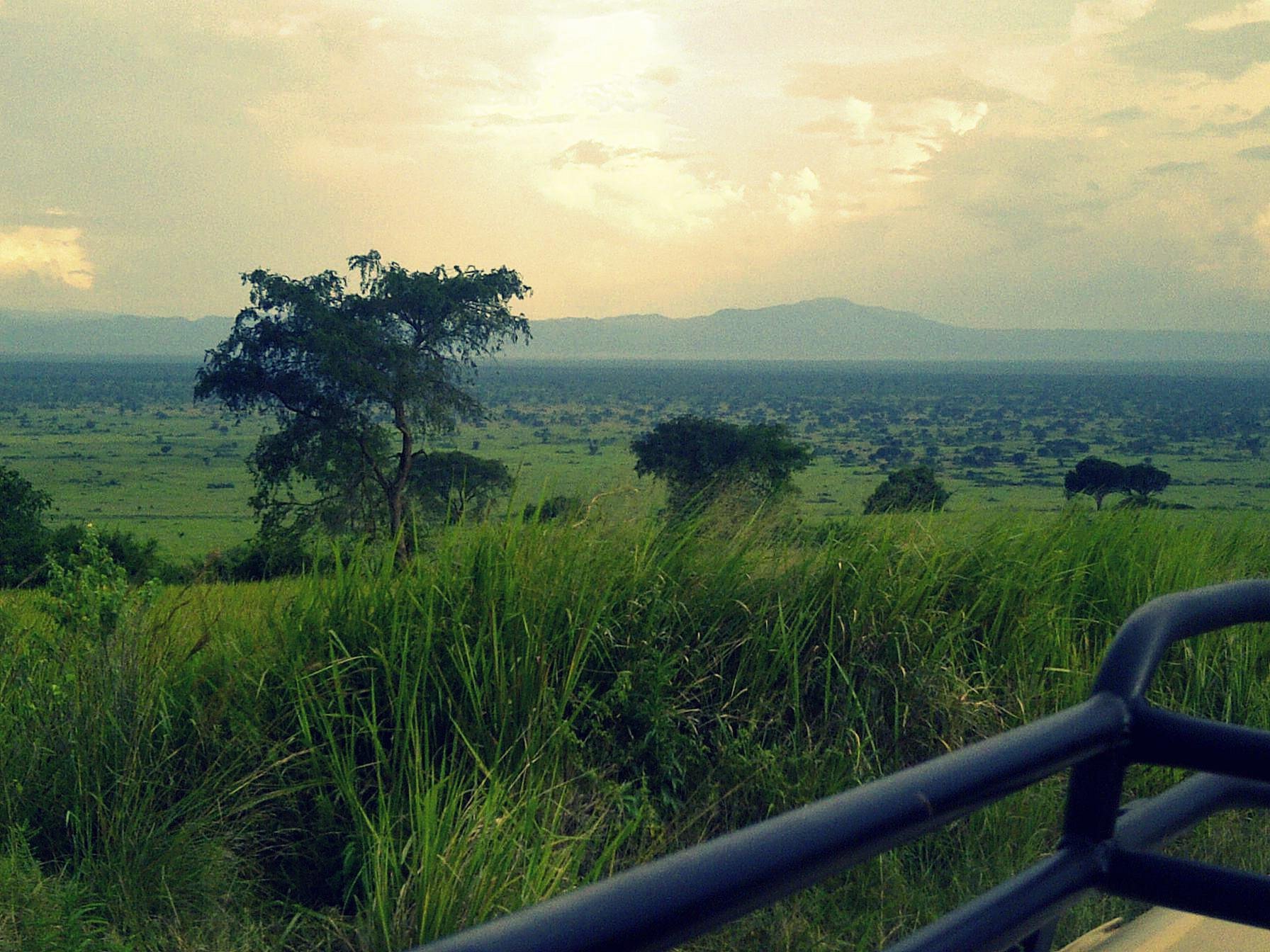
Top Tourist Activities in Uganda

The main tourist activities in Uganda include Uganda safaris for wildlife viewing in Queen Elizabeth National Park and Murchison Falls National Park, known for their diverse animal populations and scenic landscapes. Visitors can track mountain gorillas and chimpanzees in Bwindi Impenetrable Forest and Kibale Forest National Park, offering unique primate experiences. Adventure seekers often enjoy whitewater rafting and bungee jumping at the Nile River in Jinja. For cultural experiences, travelers can explore vibrant local communities or historical sites like the Kasubi Tombs. Additionally, bird watching is popular, with Uganda housing over 1,000 species of birds. Those who visit Uganda also enjoy scenic hikes in Mgahinga Gorilla National Park or Mount Elgon National Park.

What are the top tourist attractions and destinations in Uganda?

Uganda, often referred to as the “Pearl of Africa,” offers a variety of stunning natural attractions and unique destinations that appeal to tourists. One of the most famous is Bwindi Impenetrable National Park, home to the endangered mountain gorillas. Gorilla trekking here is a popular activity, bringing visitors close to these incredible animals in their natural habitat. Nearby is Mgahinga Gorilla National Park, another prime spot for seeing gorillas and golden monkeys.

Another iconic destination is Murchison Falls National Park, where the powerful Nile River forces its way through a narrow gorge, creating spectacular waterfalls. This park also offers safaris with chances to see elephants, lions, giraffes, and hippos.

For those drawn to serene landscapes, Lake Victoria, Africa’s largest lake, is a must-visit. It’s perfect for boat rides, fishing, and visiting secluded islands like Ssese Islands.

The Rwenzori Mountains, known as the “Mountains of the Moon,” feature incredible hiking opportunities with stunning views, while Queen Elizabeth National Park is well-known for its diverse wildlife, including tree-climbing lions.

For a more cultural experience, the Buganda Kingdom’s Kasubi Tombs, located in Kampala, are a UNESCO World Heritage Site showcasing Uganda’s rich history. Additionally, Jinja, located on Lake Victoria and near the source of the Nile, is known for whitewater rafting and other water-based adventures.

From national parks teeming with wildlife to breathtaking landscapes and cultural landmarks, Uganda has attractions to suit various interests.

What is the best time of year to visit Uganda for tourism?

The best time to visit Uganda largely depends on the type of activities planned, but most travelers prefer the dry seasons, which typically occur from June to August and December to February. During these months, the weather is sunny and the chances of rainfall are low, making outdoor activities such as safaris, gorilla trekking, and hiking more enjoyable. Roads and trails are easier to access as they are less muddy and slippery.

For gorilla trekking, the dry season is ideal since navigating the forest paths in Bwindi Impenetrable National Park is simpler, and tracking is more comfortable without heavy rain. It’s also a good time for wildlife safaris since animals tend to gather around water sources, making them easier to spot.

However, the rainy seasons, from March to May and September to November, also have their own benefits. For example, birdwatching is especially rewarding as migratory species arrive, and the landscapes are lush and green. Accommodation prices may also be lower during these months, and there might be fewer tourists, offering a quieter experience.

Keep in mind that Uganda’s location near the equator means temperatures remain fairly consistent year-round, averaging between 70–86°F (21–30°C). Rain can still occur in the dry season, albeit less frequently. Bring appropriate clothing and gear when visiting, as conditions may vary depending on the region and season.

What are the key wildlife experiences, such as safaris or gorilla trekking, in Uganda?

Uganda provides exceptional wildlife opportunities, with options appealing to both adventurers and nature lovers. One of the most famous is gorilla trekking in Bwindi Impenetrable National Park and Mgahinga Gorilla National Park. Trekking involves hiking through dense forests alongside expert guides to observe mountain gorillas in their natural environment. Watching these majestic animals up close is an incredible experience that brings visitors face-to-face with some of the planet’s most endangered creatures. Permits are required for this activity and are limited to ensure the gorillas’ safety.

Chimpanzee trekking is another highlight. Kibale Forest National Park is renowned for its chimpanzee population, though visitors can also track these primates in places like Kyambura Gorge in Queen Elizabeth National Park or Budongo Forest.

Safaris in Murchison Falls National Park, Queen Elizabeth National Park, and Kidepo Valley National Park provide a chance to see iconic species such as elephants, lions, giraffes, buffalos, and hippos. In Queen Elizabeth National Park, tree-climbing lions are a rare delight for photographers.

Birdwatching enthusiasts will be thrilled to learn that Uganda is home to over 1,000 bird species, including the unique shoebill stork. Wetlands, forests, and open savannahs across the country make Uganda a prime location for birdwatching tours.

For adventure seekers, boat safaris along the Nile in Murchison Falls National Park allow for close views of crocodiles, hippos, and aquatic birds. Wildlife experiences in Uganda are uniquely diverse and often combined with deeply immersive natural settings.

What are the major national parks in Uganda and what can be seen there?

Uganda is home to several national parks, each offering unique sights and attractions for nature and wildlife enthusiasts.

  • Bwindi Impenetrable National Park: This park is world-famous for its mountain gorillas. Aside from gorilla trekking, you’ll see many species of birds, butterflies, and lush plant life in this dense forest. It’s also a UNESCO World Heritage site.
  • Queen Elizabeth National Park: Known for its incredibly diverse wildlife, this park is home to animals like lions (including the famous tree-climbing lions), elephants, hippos, buffaloes, and a variety of antelope species. The Kazinga Channel is great for boat cruises, where you can watch hippos and crocodiles up close. Bird lovers can see over 600 different bird species.
  • Murchison Falls National Park: This park is well-known for its mighty Murchison Falls, where the Nile River squeezes through a narrow gorge. It’s also a great spot for seeing giraffes, elephants, and even large Nile crocodiles. You might go on safaris or boat trips here to enjoy the wildlife.
  • Kibale Forest National Park: The star attraction here is chimpanzee trekking, but the park also has other primates like baboons and monkeys. The forest is pretty, with tall tropical trees and exotic birds fluttering around.
  • Kidepo Valley National Park: Located in a remote part of Uganda, this park offers an amazing mix of landscapes, like vast savannahs and mountains, and animals like lions, cheetahs, leopards, and elephants. It’s less crowded, so a visit feels more tranquil.
  • Lake Mburo National Park: This is one of the smaller parks, but it’s packed with zebras, impalas, giraffes, and leopards. You can explore on foot, by boat, or even do horseback safaris.

These parks give you plenty of chances to see animals, plants, and natural beauty unique to Uganda.

How do I go about booking a gorilla trekking permit in Uganda?

To see Uganda’s famous mountain gorillas in their natural habitat, you need a gorilla trekking permit. These permits allow visitors to spend one hour with a gorilla family in parks like Bwindi Impenetrable National Park or Mgahinga Gorilla National Park. Here’s how to book one:

  1. Book in Advance: Gorilla permits are limited to help conserve the environment and avoid crowding. There are only about 8 permits issued daily for each gorilla family. It’s a good idea to secure your permit months in advance, especially during the peak travel seasons in June-August and December-February.
  2. Permits from the Uganda Wildlife Authority (UWA): The UWA is the official body that issues these permits. You can contact them directly or apply through their official website.
  3. Use a Tour Operator: Many travelers prefer to book through a licensed Ugandan tour operator, as they’ll handle all the paperwork for you. Tour operators often arrange trekking permits as part of a complete travel package, which may include transportation, accommodation, and trekking logistics.
  4. Cost: As of this writing, the permit costs $700 per person for foreign visitors. East African residents pay a lower fee. The money goes toward conserving the gorillas and supporting the local communities.
  5. Details to Provide: When booking, you’ll usually need to share your passport details and desired trekking date(s). The UWA or your tour operator will confirm availability before finalizing.
  6. On Arrival: Bring the confirmation receipt with you to the park. On the trekking day, rangers will guide you in small groups to find and observe the gorillas.

In case permits are sold out for your chosen date, you might shift to a different trekking location in Uganda or schedule for a later time.

What cultural experiences or traditional activities can tourists participate in while in Uganda?

Uganda is rich in culture and traditions, offering tourists several ways to connect with its heritage:

  • Traditional Dance and Music Performances: Many regions in Uganda have their own unique dances. For example, the Bakiga people from southwestern Uganda perform energetic dances with drumming, while the Baganda people are known for their royal drum ceremonies. At cultural centers like the Ndere Cultural Centre in Kampala, visitors can watch and participate in these lively shows.
  • Visit Community Villages: Tourists can spend time in villages like the Batwa Community near Bwindi, who are among Uganda’s indigenous people. The Batwa showcase their traditional singing, dancing, hunting, and other survival skills while explaining their histories and challenges.
  • Craft-Making and Markets: Uganda has vibrant markets with handmade crafts like baskets, beaded jewelry, and bark cloth. You could visit places such as the Buganda Royal Palace, where you might learn about Uganda’s traditional craftsmanship.
  • Cooking Classes: Join local families in preparing traditional Ugandan dishes like matoke (steamed green bananas), luwombo (meat or peanut stew), or rolex (an egg and chapati roll-up). This is a good way to engage with daily life while discovering new flavors.
  • Cultural Festivals: If visiting during events like the Imbalu Ceremony (a cultural initiation rite of the Bamasaba people), tourists might witness these old customs being celebrated through music, dance, and rituals.
  • Historical Sites: Visit the Kasubi Tombs in Kampala (a UNESCO World Heritage Site), which hold cultural significance for the Buganda Kingdom.
  • Boomu Women’s Group: Near Murchison Falls, this community group runs interactive sessions where visitors can learn about Ugandan agriculture, crafts, and the lifestyle of rural families.

These activities provide meaningful insights into Uganda’s history, values, and creativity while supporting local communities.

Are there opportunities for adventure activities like rafting, hiking, or mountain climbing in Uganda?

Yes, Uganda offers a variety of adventure activities for travelers. For those looking for an adrenaline rush, white-water rafting on the Nile River is one of the most popular experiences. In Jinja, at the source of the Nile, you can try rafting on intense Grade 5 rapids. If rafting isn’t for you, there are alternative water activities such as kayaking or tubing, which are more relaxed but still full of fun.

If you prefer to explore Uganda on foot, there are numerous hiking opportunities. The Rwenzori Mountains, sometimes called the “Mountains of the Moon,” are perfect for hikers and climbers. Depending on your fitness level, you can choose shorter hikes or attempt to climb to Margherita Peak, the third-highest peak in Africa. Another popular option is hiking around Mt. Elgon, where you can see spectacular waterfalls, caves, and unique landscapes.

For travelers interested in nature and wildlife, treks through places like Bwindi Impenetrable Forest or Mgahinga Gorilla National Park offer more than just scenery. These are the leading destinations for gorilla trekking, combining hiking with the experience of observing endangered mountain gorillas in their natural habitats. You can also hike through Kidepo Valley National Park to see dramatic savannah landscapes and possibly spot unique wildlife.

Finally, for real adventurers, Mountain Climbing on Mt. Elgon or Mt. Moroto will challenge you with steep trails and stunning vistas. Whether on foot or in the water, Uganda provides a mix of thrilling activities set against its beautiful natural backdrop. It’s easy to find something adventurous to enjoy.

What are the recommended destinations for sightseeing around lakes or rivers, such as Lake Victoria or the Nile River?

Lake Victoria and the River Nile are two of Uganda’s must-visit attractions because they seamlessly combine natural beauty with opportunities to relax and explore.

Lake Victoria, one of the largest freshwater lakes in the world, is surrounded by various towns and islands worth visiting. The Ssese Islands, a group of 84 islands on the lake, are a favorite for tourists. You can spend your time on these islands swimming, fishing, or just enjoying the tranquil beaches. Bugala Island, the largest of the Ssese Islands, is particularly famous for its relaxed vibe. If you enjoy birdwatching, keep an eye out for numerous bird species that thrive here.

In Entebbe, you can visit beaches along Lake Victoria for boating, picnics, or catching a sunset. Entebbe is also home to the Uganda Wildlife Education Centre (UWEC), which sits near the lake and provides a great introduction to Uganda’s wildlife and ecosystems.

The Nile River, starting in Jinja, is a hub for both sightseeing and outdoor activities. You can take a boat ride to explore the source of the Nile and get picturesque views along the river’s edge. Jinja also offers leisure river cruises where tourists can enjoy the calm water while learning about the Nile’s significance. The Murchison Falls National Park, where the river bursts through a narrow gorge to form spectacular waterfalls, is another prime sightseeing spot.

Smaller lakes like Lake Bunyonyi in southwestern Uganda are perfect for peaceful getaways. Known as “the place of many little birds,” Lake Bunyonyi is surrounded by lush terraced hills and dotted with 29 islands that you can explore by canoe. Wildlife lovers often head to Lake Mburo for a more intimate safari experience since it’s smaller and less crowded but still full of animals like zebras and hippos.

These lakes and waterways are not just scenic, they are central to life in Uganda, offering visitors plenty of opportunities to explore both culture and nature.

What kind of accommodations are available for tourists, ranging from budget to luxury options?

Uganda caters to all types of travelers with a wide range of accommodations, from budget-friendly facilities to luxurious lodges.

For budget travelers, there are hostels, guesthouses, and campsites available in most towns and tourist areas. Hostels offer shared rooms and basic amenities at low prices, making them ideal for backpackers. Guesthouses, commonly run by locals, provide simple rooms and meals in a more homely setting. If you’re visiting national parks, you can often find campsites, which allow you to enjoy Uganda’s scenery up close while keeping costs down.

Mid-range travelers can choose from moderately priced lodges and hotels that offer private rooms, comfortable beds, and better facilities like Wi-Fi, on-site restaurants, and secure parking. Many of these options are conveniently located near parks or attractions. For example, near Bwindi Impenetrable National Park, you’d find guest lodges offering great views of the forest without breaking the bank.

For those looking for luxury, Uganda has high-end safari lodges with premium services. These lodges are often in remote locations, giving guests private access to stunning views and wildlife. They feature spacious rooms with modern amenities, fine dining, and customized experiences like guided safaris or private gorilla trekking tours. For instance, Clouds Mountain Gorilla Lodge near Bwindi offers breathtaking views of the mountains, while Paraa Safari Lodge near Murchison Falls overlooks the Nile River.

In major cities like Kampala and Entebbe, there is an array of hotels to suit all budgets. International chains like Serena Hotel or Protea by Marriott are great for business travelers or those desiring five-star comfort.

If you’d like a unique experience, Uganda also offers eco-lodges. These focus on sustainable tourism, blending luxury with conservation. Examples include Buhoma Lodge or Ishasha Wilderness Camp, both of which support surrounding communities and protect the environment.

What are the visa requirements and travel guidelines for visiting Uganda?

Travelers who wish to visit Uganda will need to check the country’s visa requirements based on their nationality. Most foreign visitors are required to obtain a visa to enter Uganda. The most common option is the eVisa, which can be applied for online before traveling. The eVisa process is handled through Uganda’s official immigration website. Travelers will need to complete an application form, upload necessary documents (such as a passport-sized photo and a scanned copy of their passport), and pay the visa fee. Typical fees vary depending on the type of visa, with a single-entry visa generally costing around $50.

Uganda also offers tourists a East African Tourist Visa, which allows travel to Uganda, Kenya, and Rwanda with one visa. This option is great for travelers looking to explore multiple countries in the region and costs around $100.

For visa approval, visitors must have a passport that is valid for at least six months from the date of entry into Uganda. Travelers may also be asked to provide proof of a return ticket, enough funds for their stay, and an address for their stay (like hotel bookings).

Health guidelines are also part of travel requirements. Uganda requires proof of a yellow fever vaccination, and travelers are encouraged to take preventative measures against malaria by using antimalarial medication and mosquito repellents.

To ensure a smooth journey, it’s helpful to keep updated with Uganda Immigration announcements and any potential COVID-19-related travel guidelines, if applicable.

Are there any safety concerns or travel precautions to consider when traveling to Uganda?

Uganda is generally considered a safe travel destination, but like any international trip, visitors should take precautions. The most important concerns include health safety, road safety, and being cautious with personal belongings.

Health precautions are especially crucial. Uganda is located in a tropical region, so travelers should take measures to prevent mosquito-borne illnesses like malaria. Using insect repellent, sleeping under mosquito nets, and taking antimalarial medication are recommended. Proof of yellow fever vaccination is mandatory for entry, and travelers should check if other vaccinations, like Hepatitis A or Typhoid, are suggested.

While the crime rate is relatively low in popular tourist areas, petty thefts like pickpocketing can occur, especially in busy spots or markets. Avoid displaying valuables, such as cameras or jewelry, openly, and keep your belongings secure.

Road safety can be a concern in Uganda since driving conditions may involve narrow roads, traffic congestion, and less structured driving rules. Hire a trusted driver or go through licensed tour operators for transportation. If exploring on foot, pay attention when crossing streets.

For travelers visiting rural or remote areas, it’s wise to stay updated on regional travel advisories. Some areas, especially near borders, may have additional safety recommendations.

Finally, it’s always a good idea for all tourists to register with their respective embassies when traveling abroad to ensure easy assistance in case of emergencies.

What are the local cuisines or dishes that tourists should try while visiting Uganda?

Ugandan cuisine is known for its hearty and flavorful dishes, with staple ingredients including plantains, cassava, maize, and beans. One of the must-try dishes is matoke, a dish made from steamed green plantains that are often mashed and served with peanut sauce, meat, or vegetables. It’s a beloved traditional dish in the central part of the country.

Another favorite is Luwombo, a slow-cooked meat stew (often chicken, beef, or goat) with peanut or groundnut sauce. What makes this dish stand out is the way it is prepared, wrapped in banana leaves, giving it a unique taste and aroma.

For those who enjoy street food, rolex is a popular option. Unlike the watch, rolex here refers to a rolled-up chapati filled with scrambled eggs and vegetables. It is affordable, filling, and available at roadside stalls.

Fish lovers will enjoy trying tilapia, a common dish often served grilled and accompanied by rice, cassava, or fries. This fish is widely sourced from Lake Victoria, the largest lake in Uganda.

Another special item is posho, a simple maize flour dish similar to cornmeal that is served as a side to stews and other meals.

Many locals enjoy Ugandan coffee or milk tea, and for beverages, you might want to try waragi, a gin-like spirit made from bananas or millet, although it’s strong and best consumed in moderation.

Overall, Ugandan food offers both comfort and rich flavors, giving tourists a great opportunity to savor the local culture through its cuisine.

How To Book Your Safari in Uganda

So, you’ve learned about the exciting tourist activities Uganda has to offer, whether it’s tracking gorillas, spotting wildlife in national parks, or exploring breathtaking landscapes. Ready to make this dream adventure a reality? It’s simple! Just reach out to one of the trusted Uganda Safari Companies to plan your unforgettable trip. These experts will help tailor your experience, making your Ugandan safari stress-free and memorable. Don’t wait, start your journey today!