Birding in Queen Elizabeth National Park
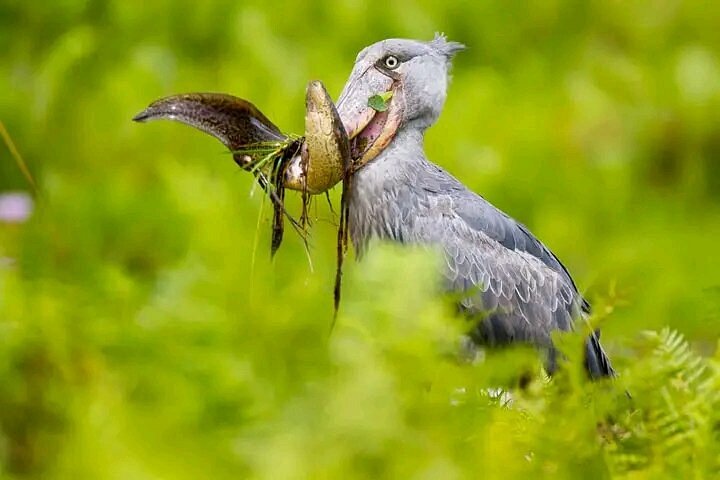
Birding in Queen Elizabeth National Park is a highlight of Uganda safaris, offering over 600 bird species across diverse habitats. Key birding spots include the Kazinga Channel, Maramagambo Forest, and Ishasha sector, where species like the African fish eagle, shoebill stork, and flamingos can be observed. Guided birding walks and game drives within this biodiversity-rich park enhance the experience, making it a prime destination for bird enthusiasts visiting Uganda.
What makes Queen Elizabeth National Park unique for birdwatching compared to other locations?
Queen Elizabeth National Park is special for birdwatching because of its extraordinary diversity of bird habitats. The park features features forests, savannah plains, wetlands, and water bodies, each hosting its own unique bird species.
For example, the Kazinga Channel, which links lakes George and Edward, is famous for hosting a high concentration of aquatic bird species, such as the Pied Kingfisher, African Skimmer, and Yellow-billed Stork. Meanwhile, the Maramagambo Forest is great for forest-dwelling birds like the Black Bee-eater and Forest Flycatcher.
One standout feature of the park is its strategic location along the Albertine Rift Valley, which is well-known for its high number of endemic bird species (birds found only in this area). This includes rare species such as the Rwenzori Turaco and the Red-faced Woodland Warbler. There are very few places in the world where birders can see these Albertine Rift endemics, making the park extra-special for enthusiasts.
Furthermore, because over 600 species are present within the park, it offers birdwatchers the chance to see a wider variety in one visit than most locations in Africa. Whether you’re drawn to colorful songbirds, majestic birds of prey, or seasonal migratory species, this park has it all.
How many bird species can be found in Queen Elizabeth National Park?
Queen Elizabeth National Park is home to approximately 600 bird species, making it one of the most diverse birding areas in not just Uganda but the entire African continent. This large number is due to the park’s wide variety of habitats, including savannahs, wetlands, forests, and lakes. These diverse environments support many different types of birds that are either permanent residents of the park or migratory species passing through.
For comparison, the number of bird species in this single park is greater than some entire countries. This variety includes everything from tiny sunbirds to large waterfowl, colorful bee-eaters, and ground-dwelling birds like the African wattled lapwing. The combination of local African bird species and Palearctic migrant birds (birds that breed in Europe and Asia, then winter in Africa) adds to the abundance.
Visitors who enjoy birdwatching often find that seeing this many species in one place is an exciting opportunity. Depending on how much time is spent in the park and the experience of the birder, spotting hundreds of species during a visit is a realistic possibility.
What are the most notable or rare bird species to look out for in the park?
Queen Elizabeth National Park is known for several special bird species, some of which are prized by birdwatchers due to their rarity or unique characteristics. One of the most famous is the shoebill stork, a large, prehistoric-looking bird with a unique, shoe-shaped bill. Shoebills are typically found in swampy areas, especially near the Kazinga Channel.
Another sought-after species is the African skimmer, which amazes visitors with its unusual feeding behavior of “skimming” across the water to catch fish. These birds are more active in the evening, making sunset birding excursions along the Kazinga Channel ideal for spotting them.
The papyrus gonolek, another rare species, is tied to papyrus swamp habitats, which are plentiful in the park. Its striking red and black plumage makes it stand out among the reeds. Along with this, the black bee-eater, white-winged warbler, and collared pratincole are other species that attract attention for their rarity or beauty.
For birders who enjoy larger birds, species like the greater flamingo, pelicans, and various eagle species (including the Martial eagle) can also be considered highlights. The diversity ensures that enthusiasts of all interests will find something special to spot.
What is the best time of year for birding in Queen Elizabeth National Park?
The best time for birding in Queen Elizabeth National Park is generally during the dry seasons, which occur from June to September and December to February. These months provide favorable conditions for birdwatching because the park’s trails and open areas are not waterlogged, making it easier to move around and observe birds. Additionally, in the dry season, birds tend to gather around water sources, making them easier to locate.
Migratory birds add an extra layer of excitement when visiting between November and April, as many species from Europe and Asia arrive in the park. During this period, birders have the opportunity to see a mix of migratory birds alongside the resident species.
The wet seasons, from March to May and October to November, may still offer good birding opportunities because the park’s lush growth after rain supports active birdlife. However, these months can present challenges due to muddy conditions in some areas. Still, if someone doesn’t mind the rain, they can enjoy seeing birds in their natural habitats when the park is quieter, with fewer tourists around.
To maximize birdwatching, early mornings and late afternoons are typically the best times of day for spotting birds regardless of the season. Many bird species are most active during these cooler parts of the day, and the lighting is often better for photography or observation.
What specific habitats or birding hotspots are found in the park?
Queen Elizabeth National Park is one of the most diverse spots in Africa when it comes to habitats, making it perfect for birdwatching. The park covers around 1,978 square kilometers and contains multiple habitats, each home to different bird species.
Some of the key habitats include savannah grasslands, wetlands, open woodlands, lakeshores, and tropical rainforests. This variety allows for a vast range of bird species to thrive. For example, the Kazinga Channel, a natural waterway connecting Lake George and Lake Edward, is considered an important hotspot. Birds such as the African Fish Eagle, Pied Kingfisher, and Great White Pelican can often be spotted here, due to the abundance of fish in the waters.
Another notable area is the Maramagambo Forest, home to forest-dwelling bird species like the African Emerald Cuckoo and the Blue-headed Bee-eater. It provides a contrasting habitat to the open savannahs and attracts species looking for denser tree cover.
The famous Mweya Peninsula, a raised area near the Kazinga Channel, also serves as a prime location for birdwatching because it provides excellent views of waterbirds and land birds.
Ishasha Sector, located in the southern part of the park, is better known for its tree-climbing lions, but is also a good place for spotting birds such as the Black Coucal and various vultures.
To summarize, the park’s mixture of landscapes, from water sources to dry lands to rainforests, creates hotspots that bird enthusiasts should focus on visiting.
Are there any recommended birding trails or areas within the park?
Queen Elizabeth National Park offers several trails and regions perfect for birdwatching. These paths are generally designed for ease of observation and tend to target areas where birds are most active or visible.
One recommended area is the Bird Loop Trail, located along the Mweya Peninsula. This loop gives visitors access to both lakeshores and grassland birds. Since it is close to the Kazinga Channel, it also allows for sightings of aquatic species.
The Kyambura Gorge is another key trail. This area is not only scenic but is home to birds that thrive in forest canopies and more closed-in environments, such as the African Finfoot or White-naped Pigeon.
The Maramagambo Forest Trails are ideal for visitors looking for a more shaded experience. While inside the forest, bird enthusiasts might encounter woodland or highly specialized species such as the Narina Trogon. Birds here are often heard before they are seen, so patience and ear training may help.
The Kasenyi Plains area is well-known for sightings of grassland species like the Crested Lark and the Black-bellied Bustard. Walking through this grassy section of the park provides wide, open views.
Finally, the Ishasha sector doubles as a good trail for birders interested in spotting raptors, storks, and other larger birds. This region is accessible by a game drive and is suited for scanning from within vehicles.
Trails range from short walks to full-day excursions, depending on the interest and stamina of visitors.
What equipment or gear is essential for birding in the park?
Birding in Queen Elizabeth National Park can be an exciting experience with the right equipment. Key items to bring include binoculars, ideally with a magnification power of around 8x or 10x. A good pair of binoculars helps spot birds far away without disturbing them.
If possible, carry a field guidebook specific to East African bird species. This will help you identify and learn about the various birds you see. Many birders also use birding apps on their phones, as they often include bird calls, maps, and identification tools.
A camera with a zoom lens is highly recommended for capturing the beauty of birds up close, especially for larger birds in flight. Even a phone camera with an attachable lens can be handy.
Comfortable clothing and footwear are crucial. Long-sleeved shirts, lightweight trousers, and sturdy boots will help protect your skin in more overgrown areas. Neutral tones like greens and khakis are recommended so that you don’t startle birds.
Sunscreen and a good hat are must-haves to protect yourself. Since the park can get sunny during the day, you may also need sunglasses. Similarly, bringing a reusable water bottle ensures you stay hydrated.
In areas near wetlands or rainforest habitats, carrying insect repellent can save you from bites. Birders often carry a small notebook and pen for jotting down species names or quick sketches in areas where they cannot rely on electronics.
Lastly, a bird call device or pre-recorded bird calls (if allowed) can sometimes assist in luring certain shy bird species from hiding. Be mindful, however, of guidelines when using these.
Are there guided birding tours available, and how can one book them?
Yes, guided birding tours are available in Queen Elizabeth National Park. These tours are led by experts who are familiar with the park’s bird species, habitats, and general wildlife. A guide can help spot birds more effectively, identify their calls, and offer insights about their behaviors. This is especially helpful for first-time visitors or those not familiar with bird species in the region.
To book a guided birding tour, visitors can contact the Uganda Wildlife Authority (UWA), which manages Queen Elizabeth National Park. UWA provides licensed guides at the park. Additionally, many private tour companies specialize in birdwatching trips in Uganda and can arrange customized itineraries. These companies often offer packages that include transportation, equipment, accommodations, and meals. Examples include Uganda Safari Companies and local lodges around the park that partner with professional guides.
It’s a good idea to book the tour in advance, especially during peak seasons when guides can get busy. Tours can range from half-day excursions to multi-day trips, depending on the level of interest and availability of time.
Group tours are often more affordable but less personalized. Private or small-group tours usually allow for more flexibility and tailored experiences. Costs generally depend on group size, the duration of the tour, and any additional services included, such as transportation and meals.
For bookings, travelers can visit the official UWA website, directly contact tour operators, or inquire at visitor centers near or within the park. It’s also helpful to check reviews online or seek recommendations to ensure a high-quality experience.
Having a guide makes birding not only easier but also more enriching, as their knowledge can greatly improve your chances of observing unique species.
Are there any regulations, permits, or fees required for birding in the park?
Yes, there are some regulations and fees you need to know about when birding in Queen Elizabeth National Park. The park is managed by the Uganda Wildlife Authority (UWA), and all visitors are required to pay park entry fees. These fees vary depending on whether you’re a foreign tourist, a resident, or a Ugandan citizen.
For foreign visitors, typical entry fees are around $40–50 per adult per day. Residents and citizens usually pay less, with fees being much lower for citizens of East African countries due to regional agreements. These fees allow access to the park and its various birding areas.
In addition to park entrance fees, some birding-specific activities or guided tours may involve additional charges. For example, hiring a licensed birding guide or participating in a specialized activity like boat-based birding along the Kazinga Channel may come with extra costs.
It’s important to follow the park regulations, which aim to protect both the wildlife and the environment. Regulations include staying on designated trails, avoiding the disturbance of birds, and not littering. Using playback sounds (like recorded birdcalls) to attract birds is often discouraged or prohibited, as this can disrupt their natural behavior.
Permits are generally not required unless you plan to participate in specific restricted activities or ventures in sensitive areas. However, it’s always worth checking the current guidelines with UWA or your tour operator before your visit.
Following these regulations and paying the necessary fees helps support conservation efforts in the park, ensuring the habitats and species remain protected for future generations.
What other wildlife or activities can be experienced alongside birding in Queen Elizabeth National Park?
Queen Elizabeth National Park offers much more than birding, it’s also known as one of Uganda’s most diverse wildlife destinations. Visitors can expect to see a wide variety of mammals, reptiles, and landscape features. A combination of these makes it possible to enjoy multiple activities during your trip.
Among the mammals, the park is home to elephants, buffaloes, lions, leopards, and warthogs. The tree-climbing lions in the Ishasha sector are particularly noteworthy. These lions often rest on tree branches, which is a unique behavior not often seen in other parts of Africa. Visitors can go on a traditional game drive to spot these animals.
For those interested in aquatic wildlife, the Kazinga Channel is a hotspot. This natural waterway connects Lake George and Lake Edward. Boat safaris here are very popular and provide opportunities to see hippos, crocodiles, and countless birds along the shoreline.
The park’s diverse terrain also makes it a great place for nature walks, especially in areas such as the Maramagambo Forest. The forest is known for its primates, including chimpanzees.
Some visitors may enjoy cultural interactions as well. Community tours to meet the local Bakonzo and Basongora people give insights into their traditional lifestyles and history in the region.
If you enjoy stunning views, don’t miss the crater lakes, which dot the park’s landscapes. These volcanic formations are ideal for photography and exploration.
Overall, a visit to this park combines birding with classic safari activities, boat rides, walks, and even cultural exchanges, making it a well-rounded destination for nature lovers and adventure seekers alike.
How To Book Your Safari in Uganda
Curious about “what birding in Queen Elizabeth National Park offers,” or “how to start your birdwatching adventure”? We’ve covered the basics to help you understand why this park is a bird lover’s dream. Ready to experience it yourself? Connect with trusted Uganda Safari Companies to plan an unforgettable birding safari. They’ll guide you to the region’s most incredible birdwatching spots. Don’t wait, book your adventure today!