Game Drives in Queen Elizabeth National Park
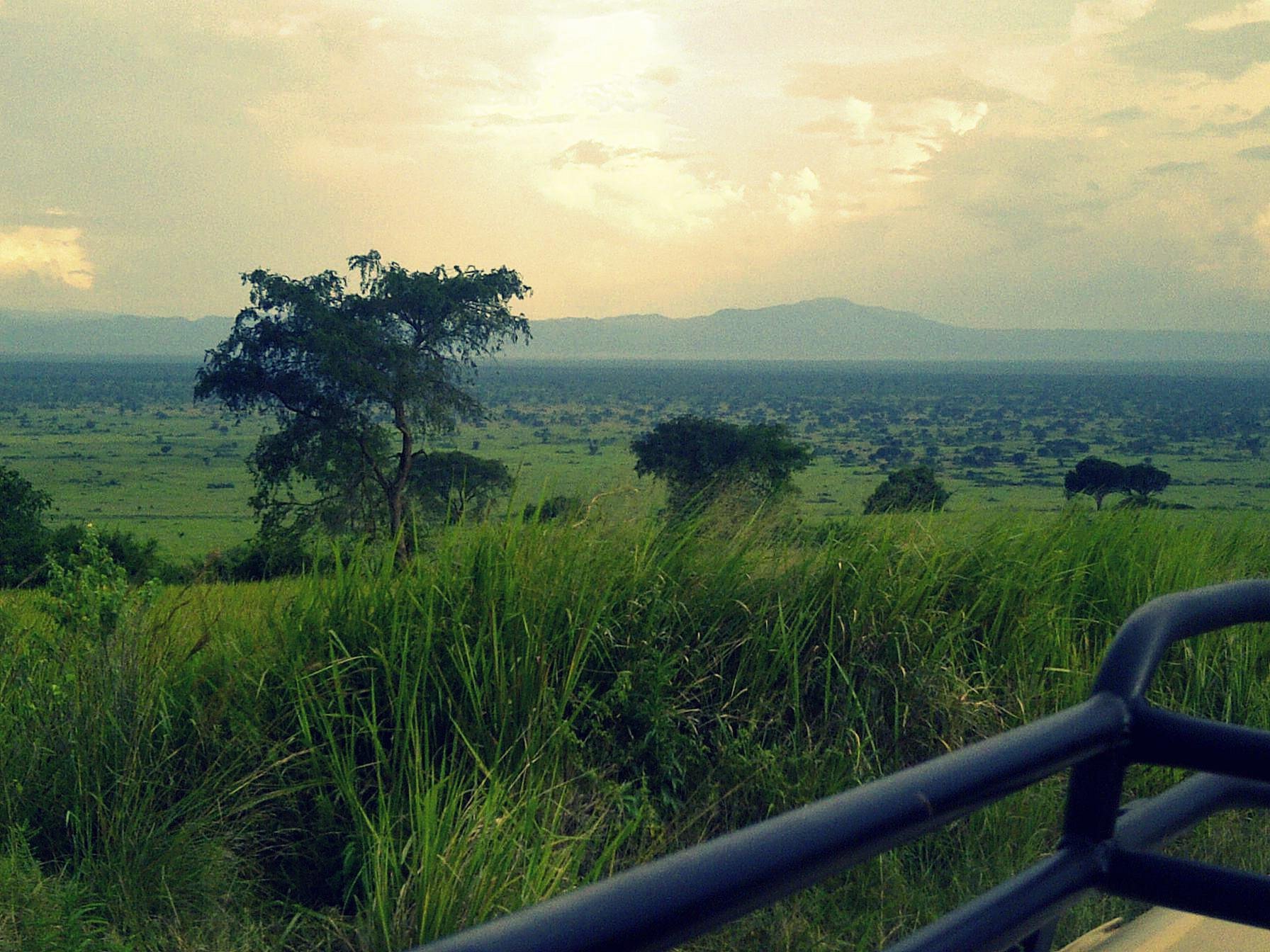
The main Game drives in Queen Elizabeth National Park offer unforgettable wildlife experiences on Uganda safaris. Popular routes include the Kasenyi Plains, ideal for spotting lions, antelopes, and elephants, and the Mweya Peninsula, known for diverse ecosystems and views of the Kazinga Channel. The Ishasha Sector is famous for its tree-climbing lions, while the Katunguru Bridge area provides sightings of hippos and crocodiles. Early morning and late afternoon drives are the best times for wildlife viewing. A visit to Queen Elizabeth National Park is a must when planning to visit Uganda, as it is home to over 95 mammal species and over 600 bird varieties.
What wildlife species can be seen during a game drive in the park?
Queen Elizabeth National Park is home to a wide variety of wildlife species, offering excellent opportunities for animal viewing. Some of the most iconic species seen during game drives include elephants, lions, buffaloes, hippos, leopards, and antelope species like Uganda kob and waterbucks.
One of the highlights is encountering tree-climbing lions, a rare behavior exhibited by some lions in the Ishasha sector of the park. Lions in this area are often seen lounging on tree branches to escape the ground heat or insects. This unique sight attracts many visitors.
Large herds of buffaloes and elephants roam the savannahs and woodland areas, providing fantastic photo opportunities. The buffaloes are often found in groups, grazing and resting, while elephants may be spotted crossing roads or foraging for food among trees and shrubs.
Visitors also have a chance to see predators like leopards, which are more elusive but occasionally spotted in early mornings or near tree clusters. Smaller carnivores such as servals and jackals may also be seen.
Antelopes are abundant, with Uganda kobs, topis, and bushbucks commonly visible in open spaces like Kasenyi Plains. These grazing animals are not only fascinating to watch but also because they attract lions and other predators.
Additionally, warthogs, hippos, and even the occasional hyena may be spotted during a drive. Reptiles such as Nile monitors and several bird species also add to the park’s diverse wildlife. With the park boasting over 600 bird species, visitors might spot elegant creatures like crested cranes, pelicans, or saddle-billed storks while driving through the park.
Wildlife sightings depend on luck and timing, but the large animal population means most visitors always leave the park with plenty of memorable encounters.
What is the best time of day to experience a game drive in Queen Elizabeth National Park?
The early morning and late afternoon are considered the best times of day to go on a game drive in Queen Elizabeth National Park. These periods coincide with peak wildlife activity, as animals are more active during the cooler parts of the day.
In the early morning, temperatures are lower, and many animals graze, hunt, or move around before the heat sets in. For instance, lions and leopards, which are mostly nocturnal, may still be spotted during their early morning hunts or while resting after a busy night. Herbivores like Uganda kob and bushbucks are also actively feeding in open areas, making them easier to spot. Many bird species can be observed chirping and flying about during these hours, adding to the experience.
Late afternoon game drives are also popular. This time offers a chance to see animals as they start becoming active again after resting during the hotter midday hours. Predators like lions might begin patrolling their territories or preparing for night-time hunting. Herbivores return to their feeding grounds, and hippos may be spotted leaving the water to graze as darkness approaches.
From a practical standpoint, the lighting during these times is more favorable for photography. The soft, golden light during the mornings and evenings enhances the visual appeal of wildlife pictures.
Avoid scheduling a game drive during midday, as the heat often drives animals into shaded or hidden areas, reducing the likelihood of sightings. Guides and park officials typically plan trips around these peak times, so visitors can get the most out of their experience when arranging a game drive.
Are there specific seasons that are ideal for game drives in this park?
Queen Elizabeth National Park, located in Uganda, offers great wildlife viewing throughout the year. However, certain seasons provide better opportunities due to weather patterns and animal behavior.
The dry seasons, which occur from June to August and December to February, are often considered the best times for a game drive. During these months, rainfall is minimal, making it easier to navigate the park’s tracks and roads. Additionally, water sources such as lakes and rivers become essential for animals. This means wildlife tends to gather near waterholes, giving visitors a higher chance to see a variety of species in one area.
The wet seasons, spanning from March to May and September to November, bring heavier rains, which can make some parts of the park muddy and harder to access. Animals tend to spread out due to the abundance of water, which might make sightings less predictable. However, this season has its advantages. The park becomes lush and green, and visitors may find it less crowded. It’s also a good time for birdwatching because migratory birds arrive.
If you’re planning your visit, consider your priorities. People interested in seeing large groups of animals, including predators, may find the dry season better. Those who enjoy tranquil landscapes and birdlife may prefer the wetter months.
What is the typical duration of a game drive in Queen Elizabeth National Park?
A game drive in Queen Elizabeth National Park typically lasts 2 to 4 hours. However, the exact duration depends on the type of game drive you choose and your specific interests. Game drives can vary by timing, with options available in the morning, afternoon, or even at night.
Morning game drives often begin early, around 6:30 AM, and may extend until 10 AM. These drives are particularly popular because many animals are more active during the cooler hours of the day. Predators such as lions and leopards might still be hunting, while herbivores like elephants and antelopes are likely to be grazing.
Afternoon drives usually run from around 3 PM to 6:30 PM. During this time, temperatures begin to cool down, and animals start becoming more visible as they search for food or water after the hot midday period.
Night game drives may last about 2 hours and are conducted between 7 PM and 10 PM. These drives require a registered guide and specialized equipment, such as spotlights, to identify nocturnal animals like hyenas and bush babies.
Overall, the duration and type of game drive depend on your preferences, but spending at least 2 hours allows for a richer viewing experience. Some visitors also opt for guided all-day drives with scheduled stops for breaks.
Is it possible to spot the Big Five animals during a game drive in the park?
The “Big Five” refers to five iconic African animals: lions, leopards, elephants, buffalo, and rhinoceroses. Queen Elizabeth National Park is a great location for encountering some of these animals, though one of them may be missing.
You can see lions quite frequently in designated areas like the Ishasha Sector, famous for its unique population of tree-climbing lions. Lions climbing trees is an unusual behavior and an exciting experience for visitors.
Leopards are also present in the park, but they are more elusive due to their solitary and camouflaged nature. However, with an experienced guide, spotting one is a possibility, especially during early mornings or at night.
Elephants are easier to find, as they are large, social, and often roam in groups. They are commonly seen near the Kazinga Channel or open savannah areas.
Buffalo are widespread and highly visible throughout the park. These massive animals often gather in herds and can be seen grazing in the grasslands.
Unfortunately, Queen Elizabeth National Park does not have a significant population of rhinoceroses. Rhino populations in Uganda were nearly wiped out due to poaching in the past, and efforts to reintroduce them are ongoing at protected areas like Ziwa Rhino Sanctuary, which is outside the park.
In summary, while you can spot four of the Big Five in Queen Elizabeth National Park, rhinoceroses are not present. For a complete “Big Five” experience, visitors often combine this park visit with a trip to Ziwa Rhino Sanctuary.
What is the guided versus self-drive option for game drives, and which is better?
In Queen Elizabeth National Park, visitors have two main options for game drives: guided drives and self-drives. Each option has its benefits depending on personal preferences and experience.
A guided game drive involves hiring an experienced park ranger or guide who knows the park’s routes, animal habitats, and behavior patterns. Guides are skilled at spotting wildlife and can answer questions about the animals and their environments. For example, a guide might know the best areas to find lions or elephants based on recent sightings. Guided drives are typically conducted in vehicles provided by the park or tour operators, which are often 4×4 vehicles designed for rough terrain. This option is great for visitors unfamiliar with the park or those who want to focus on enjoying the scenery without worrying about navigation.
A self-drive, on the other hand, allows visitors to use their own vehicle or a rented one to explore the park at their pace. With the right map, travelers can independently navigate the park’s roads. However, without a guide, spotting animals might be harder, and visitors may miss out on interesting information about the park’s features and wildlife. Self-drives generally require experience with wildlife areas and potentially difficult road conditions.
Which is better depends on your needs. If you’re new to safari experiences, prefer expert guidance, or want to increase your chances of seeing rare animals, a guided drive is the better choice. But if you enjoy exploring independently, are confident in navigating, or are on a stricter budget, a self-drive could be more suitable.
Are there unique or famous game drive routes inside Queen Elizabeth National Park?
Yes, Queen Elizabeth National Park has several notable game drive routes where visitors can experience varied vegetation, landscapes, and wildlife. Understanding the geographical layout of the park makes these places even more impactful.
One famous area is the Kasenyi Plains, which is a hotspot for spotting lions and antelope species like Ugandan kobs. Lions here are often seen hunting, drawing tourists and photographers because of the dramatic scenes. The plains are also excellent for birdwatching, with species like African fish eagles commonly sighted.
The Mweya Peninsula is another renowned location. This area offers great views of Kazinga Channel, where elephants, buffaloes, and antelopes can often be seen along the shores. This region blends water and land, providing a more diverse safari experience.
Another intriguing route is through the Ishasha Sector, situated in the southern part of the park. This sector is globally recognized for its tree-climbing lions, a rare behavior seen only in a few places worldwide. During drives in Ishasha, travelers may see these lions lounging in fig trees during warm afternoons.
For visitors interested in scenic diversity, the Crater Lakes area boasts impressive volcanic craters surrounded by African wilderness. Spotting animals near the lakes, alongside the dramatic landscapes, adds a unique dimension to the safari.
These routes highlight the different features of the park, from open savannahs and wetlands to woodlands and volcanic craters. Guides often recommend specific areas depending on what visitors hope to see, such as big cats, birdlife, or unique geological formations.
What is the cost of a game drive in Queen Elizabeth National Park?
The cost of a game drive in Queen Elizabeth National Park can vary based on factors such as whether it’s guided or self-driven, the type of vehicle used, and the duration of the drive.
For a guided game drive, expect to pay fees for the guide services and vehicle. Tour operators often charge between $30 to $100 per person, depending on the level of luxury and group size. Some private companies offer packages that include additional perks such as meals or binocular rentals.
In comparison, a self-drive can be more affordable but requires separate budget considerations. Vehicle rentals typically cost about $50 to $200 per day, depending on the type of car (a 4×4 vehicle is highly recommended due to the park’s rough roads). In addition, there’s a park entry fee of around $40 per adult per day for international visitors and lower rates for Ugandan residents or East African citizens.
Additional expenses might include hiring an armed ranger if desired, as their services cost about $20 to $30 per drive for safety and guidance.
Visitors should plan their budget carefully based on their group size, preferred experience, and flexibility.
Are there any safety precautions to be aware of during a game drive here?
When participating in a game drive in Queen Elizabeth National Park, there are several important safety precautions to keep in mind to ensure a safe and enjoyable experience.
- Stay inside the vehicle: Wildlife in the park can be unpredictable. For your own safety and out of respect for the animals, always remain inside the vehicle unless directed otherwise by your guide. Even if an animal appears calm or far away, they can act suddenly.
- Keep noise levels low: Animals may become frightened or agitated by loud sounds. Try to speak quietly and avoid making sudden loud noises to prevent disturbing them or scaring them off.
- Do not feed the animals: Offering food to wild animals can seem tempting, but it can cause harm. Feeding them might change their behavior, make them dependent on humans, or even lead to dangerous situations.
- Follow the guide’s instructions: If you are on a guided tour, the guide will have professional expertise about the wildlife and danger zones. Trust and follow their advice without question.
- Maintain a safe distance: Always keep a safe and respectful distance from the animals. This protects both visitors and the creatures from potentially harmful interactions. Long-range binoculars or cameras with zoom lenses are useful for viewing them closely without getting too near.
- Dress appropriately: Wear neutral-colored clothing that blends in with the natural environment. Bright or flashy colors might attract unwanted attention from some animals.
- Be mindful of weather conditions: The park’s weather can change quickly. If it starts to rain, drive carefully, as roads may become slippery or muddy.
- Secure your belongings: Keep items such as food, water bottles, and bags sealed within the vehicle. Prying animals like baboons can enter cars if windows are open and grab belongings.
For example, during a game drive, guests should avoid sudden movements, like leaning out the window to snap photographs, as it could startle the animals, particularly more territorial species like buffalo. Safety is about respecting the wildlife and staying aware of your surroundings.
What other activities can be combined with a game drive in Queen Elizabeth National Park?
Queen Elizabeth National Park offers an array of activities that complement a game drive, allowing visitors to fully experience the park’s diversity.
- Boat Safaris on the Kazinga Channel: After spotting animals on land during a game drive, visitors can hop onto a boat to observe animals that thrive around water. The Kazinga Channel, which links Lake George and Lake Edward, is home to hippos, crocodiles, and numerous bird species like kingfishers and African fish eagles. It provides a different perspective of the park’s ecosystem.
- Chimpanzee Trekking in Kyambura Gorge: This thrilling activity allows visitors to explore the gorge and track chimpanzees in their natural habitat. It offers a stark contrast to the open savannah seen during a game drive, as visitors walk through dense forest searching for these primates.
- Bird Watching: Recognized as a birding paradise, the park has over 600 bird species, making it a key activity for bird enthusiasts. Species such as the shoebill stork, flamingos, and malachite kingfishers can be seen near lakes and channels.
- Nature Walks: Areas like Maramagambo Forest offer guided walking tours, where visitors can encounter smaller wildlife, like butterflies, reptiles, and forest birds, while also learning about the flora of the park.
- Visit the Salt Crater Lakes: Lake Katwe offers insight into traditional salt mining practices. Local guides are available to explain how communities extract and process salt from these ancient volcanic craters.
- Cultural Experiences: Engage with local communities near the park to learn about their traditions. Performances, craft demonstrations, and food tastings give a deeper appreciation of the area’s cultural richness.
An example itinerary could include starting the morning with a game drive, followed by a boat safari in the afternoon and concluding with cultural visits or bird watching activities before sunset. Combining experiences gives a broader understanding of the park’s ecosystem and cultural significance.
What should visitors bring or pack for a successful game drive experience?
Packing correctly for a game drive in Queen Elizabeth National Park ensures visitors are prepared for a comfortable and enjoyable outing. Here’s a guide on what to bring:
- Clothing: Wear lightweight, neutral-colored clothing that blends with the surroundings. Neutral tones like beige, khaki, or olive reduce visibility to animals. Long-sleeved shirts and pants are helpful to protect against insect bites, especially in the mornings or evenings when mosquitoes are more active. Comfortable shoes or boots are important if walking is involved.
- Binoculars: A good pair of binoculars is essential for spotting animals and birds that are far away. This tool helps visitors see smaller or distant creatures without disturbing them.
- Camera and Extra Batteries: For those wanting to capture memories, a camera with a good zoom lens is ideal for snapping photos of wildlife from a distance. Bringing spare batteries or chargers is equally crucial, as you don’t want your camera to die mid-tour.
- Water and Snacks: Staying hydrated is vital during game drives, particularly on hot days. Bring reusable water bottles that are securely sealed. Some light snacks, such as nuts or dried fruit, are useful for energy during the drive, but always eat inside the vehicle to avoid attracting animals.
- Sun Protection: Pack sunscreen, sunglasses, and a wide-brimmed hat to shield yourself from the sun, especially during afternoon drives.
- Insect Repellent: Mosquitoes and other insects can be bothersome, particularly in the wetter parts of the park. Bring a reliable insect repellent to minimize this issue.
- Light Rain Jacket or Poncho: Weather conditions in the park can change unpredictably, so packing a rain jacket ensures visitors stay dry even during sudden rains.
- Guidebooks or Wildlife Checklists: These are useful tools for identifying and noting animals or birds seen during the trip. It enhances the experience, especially for enthusiasts.
- Extra Cash: While most activities are paid for in advance, having cash on hand for tips or purchases, such as souvenirs or community crafts, can be convenient.
An example of smart packing would include a lightweight backpack to carry all these essentials efficiently. Proper preparation ensures a smoother game drive, allowing guests to focus on seeing animals rather than worrying about missing necessities.
How To Book Your Safari in Uganda
Game drives in Queen Elizabeth National Park are an incredible way to explore its rich wildlife and breathtaking landscapes. This article has covered what game drives offer, how they work, and why they’re a must-try experience for any nature lover. Ready to see it all for yourself? It’s easy! Book your adventure through trusted Uganda Safari Companies, who will help plan every detail of your trip. Don’t miss the chance to make your safari unforgettable, reach out today!