Animals in Queen Elizabeth National Park
The main animals in Queen Elizabeth National Park include African elephants, lions, leopards, buffaloes, and Uganda kob, making it an ideal destination for Uganda safaris. The park is also home to chimpanzees in Kyambura Gorge, over 600 bird species like the African fish eagle and shoebill, and aquatic life such as crocodiles and hippos in the Kazinga Channel. Visitors to Queen Elizabeth National Park can also spot tree-climbing lions in the Ishasha sector and herds of topi, warthogs, and hyenas. A trip to visit Uganda often includes this park for its remarkable biodiversity and wildlife viewing opportunities.
What types of animals can be found in Queen Elizabeth National Park?
Queen Elizabeth National Park in Uganda is famous for its diverse range of wildlife, hosting over 95 species of mammals and 600 species of birds. Being one of the most biodiverse parks on the continent, it offers visitors the opportunity to see animals commonly associated with African landscapes as well as some species that are more unique to the region.
Among the most common animals are antelopes, including species like the Ugandan kob, bushbuck, and topi. You can also spot herds of buffalo moving through the savannah and groups of elephants enjoying water bodies. Warthogs, which are often seen grazing in open areas, are another recognizable animal in the park.
Predators, such as lions and leopards, are also present, with many visitors hoping for a rare sight of tree-climbing lions, which are famously found in the Ishasha sector of the park.
Other carnivores include hyenas, jackals, and civets.
In the waterways and wetlands, you can encounter animals like hippos and crocodiles, often seen lounging in or near the Kazinga Channel. Primates like chimpanzees and colobus monkeys are found in sections of the park dominated by forested areas, such as Kyambura Gorge.
Additionally, the park boasts unique birds, from large species like African fish eagles and greater flamingos to smaller birds like kingfishers and weavers. This incredible diversity satisfies both general wildlife enthusiasts and specialist birdwatchers.
Queen Elizabeth National Park hosts animals representing a variety of habitats, including savannas, forests, and swamps, making it a perfect location to observe Africa’s incredible ecological diversity. Whether you’re looking for predators, herbivores, aquatic species, or birdlife, you’ll find a bit of everything here.
Are there any endangered species in the park?
Yes, Queen Elizabeth National Park is home to several endangered species, which underscores its importance as a conservation area. One such species is the African elephant, which, while not as critically endangered as others, still faces significant threats from habitat loss and poaching.
Another notable endangered species is the shoebill stork, an iconic and rare bird primarily found in wetlands. The shoebill’s habitat is under constant threat, making sightings in the park’s wetlands particularly special.
In the forested areas of the park, species like chimpanzees, which are classified as endangered, find refuge. Human activities such as deforestation and hunting have historically put their populations at risk, but conservation efforts in the park have assisted in maintaining a small but stable group.
Other vulnerable or endangered species you might find include leopards, whose numbers are declining across Africa due to poaching and loss of prey, as well as certain antelope species affected by habitat destruction.
The park also supports aquatic life in its lakes and rivers, where fish species under threat in other parts of Africa still thrive due to protected water ecosystems. Among birds, other vulnerable species include migratory groups that stop by during seasonal changes. Conservation strategies currently in place aim to balance human activities, tourism, and the survival of these animals.
The presence of these endangered species reflects the park’s unique mix of ecosystems, which allow vulnerable flora and fauna to survive, even as many struggle elsewhere. Protecting this diverse population remains essential for their survival globally.
What are the Big Five animals, and are they present in the park?
The Big Five animals traditionally refer to the lion, elephant, leopard, rhinoceros, and buffalo. The term was originally used by big game hunters to describe the five most dangerous animals to hunt on foot, but today it’s used more commonly by tourists eager to see wildlife.
In Queen Elizabeth National Park, you can spot four of the Big Five. Lions are relatively common here, with certain areas like the Ishasha sector offering a rare chance to see tree-climbing lions. These lions often seek shade by climbing fig trees, a behavior not typical of lions elsewhere in Africa.
Elephants are another highlight, often seen grazing in the grasslands or around water bodies. Herds vary in size, making for spectacular viewing opportunities. Some individuals roam near tourist pathways, offering an unforgettable look at these giants up close.
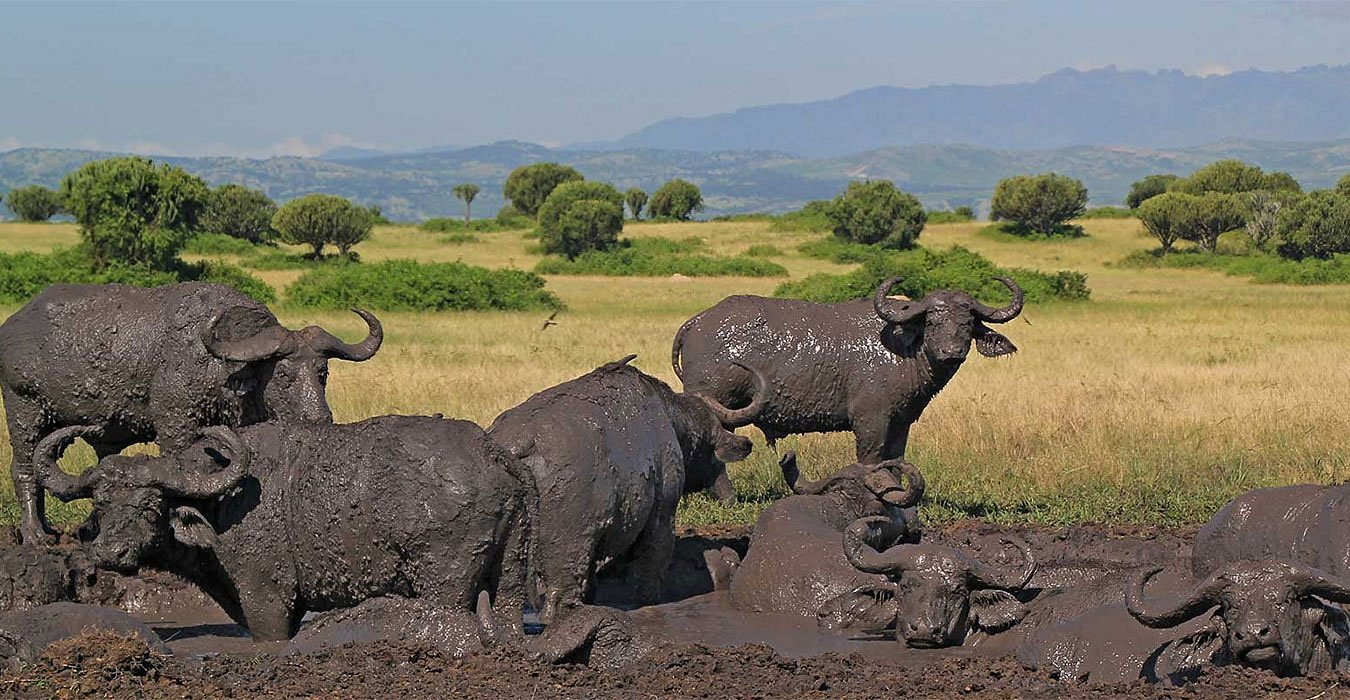
Buffalo are widespread throughout the park, typically moving in large herds across open savanna areas. Visitors frequently find them along the Kazinga Channel, where they gather to drink and wallow in the mud.
While leopards are present, they are harder to spot due to their nocturnal and secretive behavior. Sightings often occur by chance or during night game drives offered in the park.
The rhinoceros, the fifth member of the Big Five, is not currently found in Queen Elizabeth National Park. Poaching in the past drastically reduced their numbers, and they are now primarily located in controlled sanctuaries like Uganda’s Ziwa Rhino Sanctuary.
Even though rhinos are absent, the park still offers remarkable opportunities to observe the other Big Five species in their natural habitats. Photographers and wildlife enthusiasts rate Queen Elizabeth National Park highly for its abundance of accessible wildlife.
How many species of mammals and birds are in the park?
Queen Elizabeth National Park is home to an impressive variety of animals. There are approximately 95 species of mammals living within the park, which makes it one of the richest places for mammals in Africa. These mammals vary from the large, well-known ones like elephants, buffalos, and lions to smaller species such as antelopes, warthogs, and primates like chimpanzees and baboons.
For bird lovers, the park is an exceptional place, with more than 600 species of birds recorded. This makes it a paradise for birdwatching enthusiasts. The bird species range from large, eye-catching birds like kingfishers, pelicans, storks, and flamingos to more subtle species like weavers and sunbirds. Some examples include the African fish eagle, grey-crowned crane (the national bird of Uganda), and the rare shoebill stork, which bird watchers around the world dream of seeing.
The combination of open savannahs, wetlands, forests, and lakes within the park provides diverse habitats that attract and support both mammals and birds.
What is unique about the tree-climbing lions in Queen Elizabeth National Park?
The lions in the Ishasha sector of Queen Elizabeth National Park are famous for their unusual tree-climbing behavior. While lions typically stay on the ground in most of Africa, the lions in this park frequently climb fig trees and rest on the branches during the daytime.
One likely reason for this behavior is the need to escape the hot temperatures on the ground. The branches of the trees provide shade, and a cooler breeze can often be felt higher up. Another explanation is that being in the trees may help these lions avoid bothersome insects or get a better view of their surroundings, which can help in spotting prey or potential dangers.
This behavior is rare, as only a few populations of lions in the world are known to climb trees. For visitors to the park, this makes the Ishasha sector a particularly fascinating area to visit and observe these animals in a way that isn’t common elsewhere.
What ecosystems exist within the park and how do they support the wildlife?
Queen Elizabeth National Park features a variety of ecosystems, including savannah grasslands, tropical rainforests, wetlands, crater lakes, and the Kazinga Channel. Each ecosystem plays a key role in supporting different plants and animals.
The savannah grasslands provide open spaces where herbivores such as antelopes, zebras, and elephants graze. Carnivores like lions and hyenas also rely on this ecosystem since it’s where they hunt for prey.
The tropical rainforests, such as the Maramagambo Forest, provide shelter to primates like chimpanzees and monkeys, as well as numerous bird species.
Wetlands and crater lakes, on the other hand, are home to many aquatic species, including hippos, otters, and crocodiles. They also attract birds that depend on fish or water plants, such as pelicans and herons.
The Kazinga Channel, a natural waterway linking Lake Edward and Lake George, is especially vital. It provides fresh water for a wide range of animals and attracts large groups of hippos, buffalos, and birds. It also serves as a migration route for fish and other aquatic creatures.
By having all these interconnected ecosystems, the park ensures there’s enough food, water, and shelter for a diverse range of species.
How does the Kazinga Channel contribute to the diversity of animals in the park?
The Kazinga Channel, a natural waterway linking Lake Edward to Lake George, plays a crucial role in maintaining the variety of wildlife in Queen Elizabeth National Park. This channel provides a permanent water source, offering a lifeline to many animals, especially during the dry season when water bodies might shrink or disappear elsewhere in the park. The constant availability of water supports large populations of mammals, birds, aquatic species, and other forms of life.
One key contribution is that the channel attracts large groups of animals like elephants, buffaloes, antelopes, and hippos to its banks. For example, hippos spend much of their time wallowing in the water to keep cool and protect their sensitive skin from the sun. Similarly, crocodiles thrive in the channel as it offers a perfect environment for feeding and breeding.
The channel also supports an incredible range of bird species, some of which are seasonal migrants. Birds such as the African fish eagle, kingfishers, and herons frequent the channel for food, as fish are abundant. Additionally, water birds like pelicans and sometimes even migratory birds from Europe and Asia rely on this area.
For predatory animals like lions and leopards, the Kazinga Channel is indirectly valuable. They are drawn to areas near the channel where prey animals congregate in large numbers. It’s a hunting ground for these carnivores.
By sustaining such a vast diversity of animals and providing an ecological hotspot, the channel ensures that the wildlife populations in the park remain stable and nourished year-round. Without it, many species would struggle during drier months, and the overall biodiversity of the park would suffer.
What are the best times or seasons for wildlife viewing in Queen Elizabeth National Park?
Wildlife viewing in Queen Elizabeth National Park is closely tied to the seasons. The best time to explore the park is during the dry seasons, which occur twice a year: from June to September and from December to February. During these periods, it is easier to spot animals as vegetation becomes thinner, and many species gather around water sources such as the Kazinga Channel, making them more visible.
The dry seasons also mean that roads and walking trails are far less muddy, making movement within the park more straightforward. For example, it’s common to find animals like elephants, buffaloes, and antelopes congregating at the Kazinga Channel or other waterholes. These gatherings provide brilliant wildlife viewing opportunities.
On the other hand, the wet seasons (from March to May and October to November) bring a different kind of beauty to the park. The rains transform the park into a lush, green expanse, which is ideal for bird lovers as many species become active and easier to spot. Noteworthy examples include migratory birds that arrive from Europe during these months. However, animals may be harder to see in the thick vegetation, and some roads can become inaccessible because of the mud.
For specific experiences, such as spotting tree-climbing lions in the Ishasha sector, visiting during the dry months improves the chances of seeing them resting in the fig trees. Boat safaris along the Kazinga Channel are generally productive year-round, as many water-dependent species can always be found there.
In summary, for observing mammals, especially near water sources, the dry seasons are ideal. But if you’re interested in birds or the park’s vivid greenery, the wet season still offers worthwhile sightings.
Are there any notable migratory patterns or behaviors of animals in the park?
Queen Elizabeth National Park hosts several notable migratory patterns and animal behaviors. One of the most striking features of the park is the presence of migratory birds, which travel from as far as Europe and Asia during certain times of the year. These birds often arrive during the wet season, typically from October to March, when the park provides ample resources such as water, food, and nesting areas. Popular migratory bird species include the white stork, lesser flamingo, and European bee-eater.
Among mammals, while most species in the park are non-migratory and remain territorial, animals like elephants are known to move seasonally within the park boundaries and even across borders to neighboring protected areas. They choose their pathways based on the availability of resources such as water and fresh vegetation. For instance, during the dry season, elephant herds often migrate closer to Kazinga Channel or other water-rich parts of the park. This movement helps prevent overuse of resources in one specific area, ensuring a balance in the ecosystem.
Another fascinating behavior observed in the park is the unique social organization and hunting patterns of predators like lions. The tree-climbing lions of the Ishasha sector, for example, often use elevated trees as vantage points during hunting or as resting spots to avoid the heat at ground level. This behavior is not commonly observed in most lions elsewhere, making it an intriguing local trait.
Seasonal changes in water levels influence aquatic species as well. For example, hippos may adjust their grazing areas, frequently choosing regions flooded by seasonal rains. Similarly, crocodiles are known to shift their nesting sites depending on water availability.
These migratory and behavioral adaptations highlight how both resident and visiting animals take advantage of the park’s rich and varied habitats, contributing to its ecological importance.
How does the park protect its animals from threats like poaching?
Queen Elizabeth National Park works on protecting its animals from poaching through multiple methods such as ranger patrols, community involvement, and modern technology.
Ranger patrols are one of the most important efforts. Trained wildlife rangers are employed to patrol the park daily. Their job is to prevent illegal activities like hunting and trapping of animals. These rangers use equipment such as binoculars, radios, and GPS trackers to monitor large areas of land. They also respond to reports of poaching incidents to catch offenders.
The park also involved local communities in the conservation effort. Many poaching incidents come from local people who hunt wildlife because of financial difficulties. Involving communities in efforts like eco-tourism and alternative income sources creates benefits for the locals while protecting wildlife. For example, locals may be hired as guides or trackers, giving them a vested interest in the safety of the park animals.
Technology has also become important for conservation. Tools like camera traps and drones are used to monitor animal activity and detect illegal intrusions into the park. These tools help officials track animal populations and catch illegal poachers faster.
Anti-poaching measures focus on education too. Teaching communities about the importance of preserving wildlife helps reduce local demand for illegal animal products.
Laws and strong penalties for poaching back these efforts. The Ugandan government works with the Uganda Wildlife Authority (UWA) to ensure there are strict punishments for those caught hunting animals illegally.
An example of this effort is the protection of elephants and rhinos, whose tusks and horns are often targeted. With increased patrolling and community efforts, poaching has declined significantly in recent years.
What are the main challenges facing wildlife conservation in the park?
Wildlife conservation in Queen Elizabeth National Park faces challenges including habitat loss, human-animal conflict, limited funding, and climate-related issues.
One of the biggest problems is habitat loss. The park is close to human settlements, and as the population grows, more land is cleared for farming and building. This action disrupts the homes of animals, forcing them into smaller, fragmented spaces.
Human-wildlife conflict is another major issue. Animals often wander outside park boundaries to find food or water, especially during dry seasons. Crops and livestock owned by local farmers may be damaged. In return, some people harm or kill these animals to protect their property.
The park also struggles with limited funding. Conservation programs, ranger patrols, and technological tools cost money, but funding can be inconsistent or insufficient. Without it, efforts to stop poaching or protect endangered species become more difficult.
Climate change affects the availability of water and food in the area. Hot temperatures may dry out water sources, forcing animals to roam further and leading to even more human-wildlife conflict. Droughts and uncertain weather patterns can also impact migration, breeding, or the health of wildlife.
Economic pressures on local communities contribute too. If people around the park do not have alternative livelihoods, they might turn to activities like poaching or illegal fishing to survive.
Addressing these challenges requires collaboration between the government, international organizations, and the community. Steps like afforestation, sustainable farming methods, and broader education programs are long-term efforts to find balance.
Are there opportunities to interact with or observe animals safely in the park?
Yes, Queen Elizabeth National Park offers several ways for visitors to safely observe animals while maintaining respect for both the wildlife and their habitats. These activities are organized with safety for both humans and animals in mind.
One of the most popular ways is through game drives. Visitors are taken in specialized safari vehicles into areas where animals are commonly found. Trained guides accompany the group to ensure safety, provide information, and locate animals such as elephants, buffalo, and lions. For safety reasons, people are required to stay inside the vehicle at all times.
Boat safaris along the Kazinga Channel are another safe option for wildlife observation. Boats allow visitors to get close to animals such as hippos, crocodiles, and water birds, all while maintaining a safe distance. These tours are particularly great for bird watchers, as the channel is home to numerous bird species.
Guided nature walks are available, but these are generally done in areas where large predators are not present. With an experienced ranger, visitors can observe smaller animals, insects, or plant species in a safer environment.
For those interested in tracking specific animals, activities like chimpanzee tracking in Kyambura Gorge are an option. This involves walking in small guided groups to see chimpanzees in their natural setting.
The park ensures visitors comply with conservation rules. For instance, feeding or approaching wildlife is strictly prohibited as it can make animals aggressive or dependent on humans. Visitors are also advised to stay quiet and avoid sudden movements when observing animals.
These safaris and guided tours not only create memorable moments for visitors but also generate funds that are reinvested into conservation and community projects.
How To Book Your Safari in Uganda
We’ve explored the incredible animals that call Queen Elizabeth National Park home, like lions, elephants, hippos, and more, and answered the “what,” “how,” and “why” of visiting this stunning wildlife haven. Ready to see it all for yourself? Let the experts take care of the details. Check out trusted Uganda Safari Companies for an unforgettable adventure.