Gorilla Trekking in Bwindi + Wildlife in Queen Elizabeth
Gorilla Trekking in Bwindi with Wildlife in Queen Elizabeth National Park offers an incredible Uganda safari experience. Bwindi Impenetrable Forest is renowned for its mountain gorilla trekking, providing visitors a chance to see these endangered primates up close in their natural habitat. Queen Elizabeth National Park complements this with opportunities to spot iconic wildlife, including lions, elephants, hippos, and leopards, along with a variety of bird species. This combination allows travelers to explore Uganda’s diversity, from dense forests to savannah landscapes, making it an ideal itinerary for nature enthusiasts. To visit Uganda and enjoy this experience, planning with professional guides ensures an organized exploration of these remarkable destinations.
What is gorilla trekking, and why is Bwindi Impenetrable Forest a prime destination for it?
Gorilla trekking involves hiking through forests to locate and observe mountain gorillas in their natural habitat. These wild gorillas are closely related to humans, which makes observing their behaviors and interactions a fascinating activity. The experience typically begins early in the morning, with visitors joining guides and trackers to hike through dense vegetation in search of a specific gorilla family. Once found, trekkers can spend about an hour with the gorillas at a safe distance, taking in their movements, social interactions, and routines.
The Bwindi Impenetrable Forest, located in Uganda, is considered a top destination for gorilla trekking. It is home to almost half of the world’s remaining endangered mountain gorillas, making it a critical area for their conservation. The forest is a UNESCO World Heritage Site, famous for its thick, dense vegetation (hence the name “impenetrable”) and incredible biodiversity. Its habitats include tropical rainforests and swamps, which create an ideal environment for the gorillas.
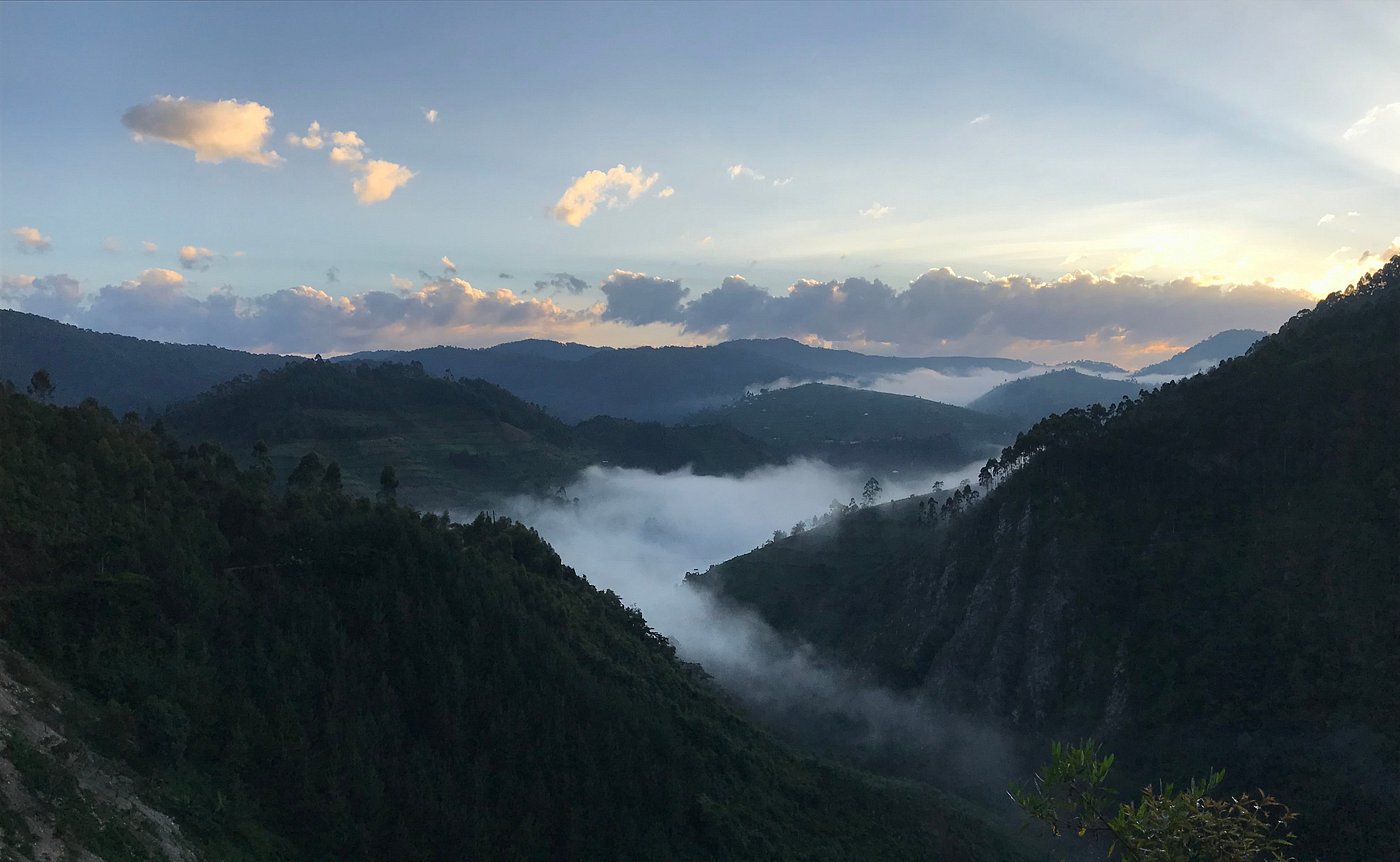
Trekkers might encounter one of many gorilla families that have been habituated, meaning they are used to human presence and less likely to become alarmed. Examples of these habituated families include the Rushegura, Mubare, and Habinyanja groups. Bwindi’s scenic landscape, with steep hills and mist-covered trees, makes the trek equally rewarding beyond the gorillas themselves.
Bwindi stands out because of its accessibility for many visitors and the variety of trekking options available. This destination offers an unforgettable chance to connect with nature, wildlife, and conservation efforts meant to protect these rare primates.
How do I acquire permits for gorilla trekking in Bwindi?
To go gorilla trekking in Bwindi, visitors need a special permit, which ensures controlled tourism and helps fund conservation efforts. A permit allows you to spend up to one hour with a specific gorilla family under the supervision of experienced guides.
Permits are issued by the Uganda Wildlife Authority (UWA). The cost for these permits is typically $700 per person for international tourists, $600 for foreign residents, and 250,000 Ugandan shillings for East African citizens. These fees can vary, especially during promotional periods or price adjustments, so it’s important to check for the most current rates.
It’s highly recommended to book permits in advance, as spaces are limited and demand is high, especially during peak travel months. Only a small number of visitors (usually 8 per gorilla family) are allowed to trek per day to reduce stress on the animals and protect their habitat. Permits can sell out several months ahead, so planning early is key.
To acquire a permit, you can either contact the Uganda Wildlife Authority directly or book through a trusted tour operator. Tour operators often handle all details of your trek, including securing permits, arranging accommodation, and organizing transportation to Bwindi. This can make the process much easier, especially for international travelers.
You’ll need to provide your passport details when purchasing the permit, as they are issued in your name and are non-transferable. Additionally, permits are usually non-refundable, so it’s good to confirm your travel plans before purchasing.
What is the best time of year to go gorilla trekking in Bwindi?
The best time for gorilla trekking in Bwindi depends largely on weather conditions, as the forest’s steep terrain and dense vegetation can be challenging when it’s wet or muddy. This makes the dry seasons the preferred periods for most trekkers.
Uganda experiences its dry seasons from June to August and December to February, which align with the most popular trekking times. During this period, the trails are less slippery, and trekking tends to be easier. The likelihood of heavy rain is lower, making it easier to hike for long distances and enjoy a clearer viewing experience of the gorillas. Additionally, since gorillas tend to move less during dry conditions, they are sometimes easier to locate.
The wet seasons, from March to May and September to November, bring more rain, which means trails can become steep, muddy, and harder to navigate. However, these months also offer some advantages. For example, vegetation is abundant during the rainy season, providing more opportunities to see other wildlife species, birds, and flowering plants. Rainy months are also considered off-peak, so permits might be more readily available and lodges may offer lower rates.
If you’re flexible with your schedule and looking for the most comfortable conditions, aim for the dry months. However, if you don’t mind extra challenges and are traveling on a tighter budget, the rainy season months can still offer an amazing experience. Whether it’s wet or dry, be ready for fluctuations in weather, as Bwindi’s tropical climate can result in unexpected rainfall regardless of the season.
What should I pack and wear for gorilla trekking?
When preparing for gorilla trekking, packing the right items and wearing appropriate clothing is essential for your convenience and safety. The trek often involves walking through dense forests, uneven ground, and occasionally getting muddy.
For your clothing, stick to lightweight and moisture-wicking materials. Long-sleeved shirts and long pants are important to protect your arms and legs from scratches, insects, and thorny vegetation. Earthy colors like green, brown, or khaki are recommended for blending in with the environment, and bright colors should be avoided as they may distract the gorillas.
Sturdy trekking boots are vital. Since the trails can be slippery or steep, comfortable boots with good grip will help keep your footing secure. Gaiters (or something to cover the tops of your boots) can prevent mud and insect bites around the ankle.
A waterproof jacket or poncho is a good idea due to unpredictable rainfall in forest regions. It keeps you dry without adding too much weight. Similarly, a sun hat and sunscreen protect against sunburn when areas of the trail are exposed.
Bring a small backpack for essentials like water, snacks, a camera, insect repellent, and binoculars (in case you want to observe other wildlife). Gloves designed for trekking or gardening can protect your hands while holding onto branches during the hike.
Carrying a walking stick, which guides often provide, can help maintain balance on challenging terrain.
How physically demanding is gorilla trekking, and what fitness level is required?
Gorilla trekking requires a moderate to high level of physical fitness, depending on the specific trail and how far the gorilla families are on that particular day. Gorillas can move deep into the forest, and treks often last 2 to 8 hours, so be prepared for varying intensity.
The terrain can include steep hills, muddy paths, dense vegetation, and unpredictable trails. Individuals with heart conditions, knee problems, or respiratory challenges may struggle with some trails. It’s helpful to communicate your fitness level to the guides beforehand, as they might assign you to a less challenging trek.
If you’re not extremely fit but are in reasonably good shape, you can still participate. Improving your endurance before the trek, by walking, hiking, or light strength training, can make a significant difference. Taking small steps and resting during the trek is fine, and porters are often available to carry heavy items or even assist by providing physical support.
A day of gorilla trekking is well-paced, with guides strategically stopping for breaks. Keep in mind: determination and mental preparation are just as crucial as physical fitness.
What other wildlife can be spotted in Queen Elizabeth National Park?
Queen Elizabeth National Park is a rich biodiversity hotspot filled with abundant wildlife. Apart from gorilla treks in nearby areas, the park offers a wide range of animals and birds to see.
One of the park’s most famous animals is the tree-climbing lion, found in the Ishasha sector. These lions rest on acacia or fig trees during the day, a behavior unique in this specific region. Other large mammals include herds of elephants, buffalo, and hippos, which are likely to be spotted during safaris or along the Kazinga Channel.
Antelope species like Uganda kob and bushbuck are common, while predators such as leopards and hyenas are also present, though they may be harder to spot. From time to time, you might come across warthogs, mongoose, or smaller wildlife along the trails.
Bird enthusiasts will enjoy the park as well, which is home to over 600 bird species, including the African fish eagle, shoebill stork, and malachite kingfisher. For those exploring the Kyambura Gorge, chimpanzees and other primates like baboons and colobus monkeys are native to this area.
With its mixture of wetland, forest, savannah, and rift-valley habitats, Queen Elizabeth National Park captivates both casual visitors and wildlife experts looking to enjoy a variety of species.
What are the main safari activities available in Queen Elizabeth National Park?
Queen Elizabeth National Park, located in Uganda, offers a range of safari activities for nature and wildlife enthusiasts. One of the most popular activities is game viewing through guided drives. These drives allow visitors to explore the park’s savannahs and spot animals such as lions, elephants, buffaloes, leopards, and various species of antelopes like kob. Some areas, like the Kasenyi Plains, are known for particularly good wildlife sightings, including lion pride activity.
Another key activity in the park is the boat safari on the Kazinga Channel, which connects Lake Edward and Lake George. A boat trip here offers an opportunity to observe hippos, crocodiles, and a diverse collection of birds like fish eagles, kingfishers, and herons, all gathered along the banks. The water attracts animals to drink, providing great spots for photography.
For those with an interest in birds, the park is home to over 600 bird species, making it a paradise for birdwatching enthusiasts. You might see rare species like the shoebill stork or flamingos in specific areas.
Another option is visiting the Kyambura Gorge, known as the “Valley of Apes.” Here, guided treks might lead to sightings of chimpanzees in their natural habitat. This combines the excitement of primate watching with the beauty of the forested gorge.
The Ishasha Sector is famous for its tree-climbing lions, which are a special feature of the park. Seeing lions lounging on branches of fig trees is a unique experience.
Additionally, cultural activities, such as visiting the local Katwe Salt Lake, provide insight into how salt mining has sustained local communities for years.
With its wide variety of activities, the park offers something for everyone, from big-game viewpoints to birdwatching and chimp tracking.
How does the combination of Bwindi and Queen Elizabeth National Park enhance the safari experience?
Visiting both Bwindi Impenetrable Forest and Queen Elizabeth National Park offers a rich and diverse experience by blending two very different types of wildlife and landscape encounters.
Bwindi is famous for its mountain gorillas, which are rare and highly protected primates. Trekking through the dense forest to watch a gorilla family in their natural habitat provides a close, personal encounter with wildlife that feels intimate and exclusive. Observing their behavior in the wild is a special moment that offers insight into these gentle giants.
On the other hand, Queen Elizabeth National Park offers the more traditional safari experience, with open savannahs teeming with diverse wildlife such as elephants, lions, leopards, and more. The park’s ecosystem includes forests, rivers, and lakes, allowing for a mix of activities such as game drives, boat safaris, and chimpanzee tracking in the Kyambura Gorge.
By combining visits to both parks, travelers can experience primates and big-game animals within a single itinerary. For example, one day, you might trek through Bwindi observing a gorilla troop, and the next, enjoy a guided drive to see elephants, buffaloes, and other iconic species. The contrast in landscapes, Bwindi’s dense forest versus Queen Elizabeth’s open savannahs, adds to the sense of variety.
Both parks also showcase a rich array of birdlife, and enthusiasts might see species ranging from Albertine Rift endemics in Bwindi to water and savannah birds in Queen Elizabeth’s Kazinga Channel.
Overall, combining the two destinations allows for fully appreciating Uganda’s incredible biodiversity and landscapes.
What are the accommodation options near Bwindi and in Queen Elizabeth National Park?
Uganda offers a variety of accommodation options near both Bwindi Impenetrable Forest and Queen Elizabeth National Park, catering to different budgets and preferences.
At Bwindi, there are luxury lodges providing a high level of comfort with amenities like en-suite bathrooms, meals, and great views of the forest. Examples include Bwindi Lodge, which offers forest-edge luxury, and Sanctuary Gorilla Forest Camp, where guests stay in stylish tents that blend into the surroundings. Mid-range options include Silverback Lodge, offering good services at a more affordable price. For those on a tighter budget, community-run camps like Buhoma Community Rest Camp provide basic but comfortable stays while supporting the local community.
Near Queen Elizabeth National Park, options are available for all kinds of travelers. Luxury accommodations like Mweya Safari Lodge, located along the Kazinga Channel, offer a fantastic view of the channel and first-class service. For mid-range travelers, Engiri Game Lodge or Bush Lodge provide a comfortable close-to-nature experience. Budget travelers often choose options like Pumba Safari Cottages, which offer simple yet pleasant lodging for a more affordable safari.
Both locations also feature eco-friendly lodges that make a low impact on the environment, appealing to those wanting a more sustainable lodging choice.
Staying in lodges or camps closer to wildlife areas makes it easier to access activities like trekking or guided drives. These options ensure that visitors have comfortable, convenient places to stay after adventurous days spent exploring nature.
How long should I plan my trip if visiting both destinations?
To visit both Bwindi Impenetrable Forest and Queen Elizabeth National Park, a trip should ideally span about 6 to 9 days, depending on your interests, pace, and itinerary flexibility. Here is why this time frame works:
If you’re planning a gorilla trek in Bwindi, you’ll likely need at least 2 to 3 days to explore this area properly. This includes arriving near the forest, taking part in the trek (which can last from a few hours to the entire day), and having some time to rest afterwards. Reaching Bwindi usually requires travel by road, which can take significant time, so factoring this into your schedule is crucial.
For Queen Elizabeth National Park, it’s advisable to allocate 2 to 4 days to enjoy the various safari activities. For instance, you can go on game drives in search of lions, elephants, and antelopes. Adding a boat safari on the Kazinga Channel will provide opportunities to view hippos, crocodiles, and unique bird species. The Ishasha sector of the park, famous for its tree-climbing lions, can also be worth a full-day visit.
Factoring in the travel time between these two destinations is important. Driving from Bwindi to Queen Elizabeth National Park can take about 4 to 6 hours, depending on the exact locations. This travel time means you’ll need to account for at least one day on the road.
For a well-rounded trip, many visitors also choose to include a visit to nearby cultural or community activities, such as meeting the Batwa people near Bwindi. If interested, set aside half a day to one day for this experience.
In total, a balanced trip covering both Bwindi and Queen Elizabeth National Park ensures you have enough time for proper exploration, travel between stops, and a relaxed, enjoyable experience.
Are there any cultural or community experiences available near Bwindi or Queen Elizabeth National Park?
Yes, there are several wonderful cultural and community activities near both Bwindi Impenetrable Forest and Queen Elizabeth National Park. These experiences often give visitors a chance to learn more about the local communities, their traditions, and their way of life.
Near Bwindi Impenetrable Forest, one of the most popular cultural experiences is visiting the Batwa tribe. The Batwa are an Indigenous group who once lived as hunter-gatherers in the forest before it became a protected national park. A guided Batwa Trail experience allows visitors to learn about their ancient traditions, including how they hunted, built shelter, and used forest plants for medicine and food. Participants can also watch traditional dances, interact with community members, and gain insight into how this group is working to preserve its heritage.
Around Queen Elizabeth National Park, you can experience local fishing villages and farming communities. For example, a visit to the Kikorongo Women’s Community offers a chance to learn about traditional crafts, including basket-weaving and beading. Some community groups also perform traditional dances and songs to share their culture.
Another significant offering in this region is exploring coffee plantations near Bwindi or Queen Elizabeth. You can participate in activities like harvesting, roasting, and grinding coffee beans while learning how coffee farming impacts local economies.
These cultural interactions are a meaningful way to appreciate the diversity of Uganda’s people, landscapes, and history. When engaging with these communities, it’s essential to do so respectfully and ensure that your visit benefits them ethically through organizations or tours that work with the locals.
What are the conservation efforts in place for gorillas and wildlife in these parks?
The conservation efforts in Bwindi Impenetrable Forest and Queen Elizabeth National Park are vital to preserving the unique biodiversity of these areas. For gorillas, initiatives focus on their safety, habitat preservation, and long-term survival.
In Bwindi, the Mountain Gorilla Population is monitored and protected under programs run by organizations like the Uganda Wildlife Authority (UWA) and international groups such as the Dian Fossey Gorilla Fund. Anti-poaching laws and patrols have been strengthened to prevent illegal activities that threaten gorillas. Gorilla trekking permits are expensive because a portion of this fee directly supports conservation efforts, such as ranger salaries, habitat maintenance, and community development.
Habitat preservation has also been a priority. Bwindi is a World Heritage Site, meaning it has international recognition for its environmental importance. Efforts are made to minimize deforestation and maintain safe spaces for wildlife.
In Queen Elizabeth National Park, conservation efforts focus on protecting a wide range of species, from lions to elephants and hippos. The park uses initiatives such as collaring lions to monitor their movements and prevent human-wildlife conflict. Communities living near the park have been involved in sustainable practices to reduce clashes, for example, by providing them with farming alternatives that keep animals from raiding crops.
Both parks also benefit from eco-tourism efforts. By encouraging responsible tourism, they generate funding for preservation work while creating incentives for local communities to protect wildlife rather than exploit resources unsustainably.
These combined efforts ensure that the forests, savannahs, and the animals they house can thrive for future generations.
How To Book Your Safari in Uganda
Curious about gorilla trekking in Bwindi and spotting wildlife in Queen Elizabeth National Park? This guide answered key questions like what to expect, how these incredible experiences work, and why they’re worth it. Ready to plan your adventure? It’s simple! Reach out to one of the trusted Uganda Safari Companies to create a personalized safari for you. Explore breathtaking landscapes, marvel at mountain gorillas, and enjoy unforgettable wildlife moments. Don’t wait, start planning your dream safari today!